
 Chinese
 English

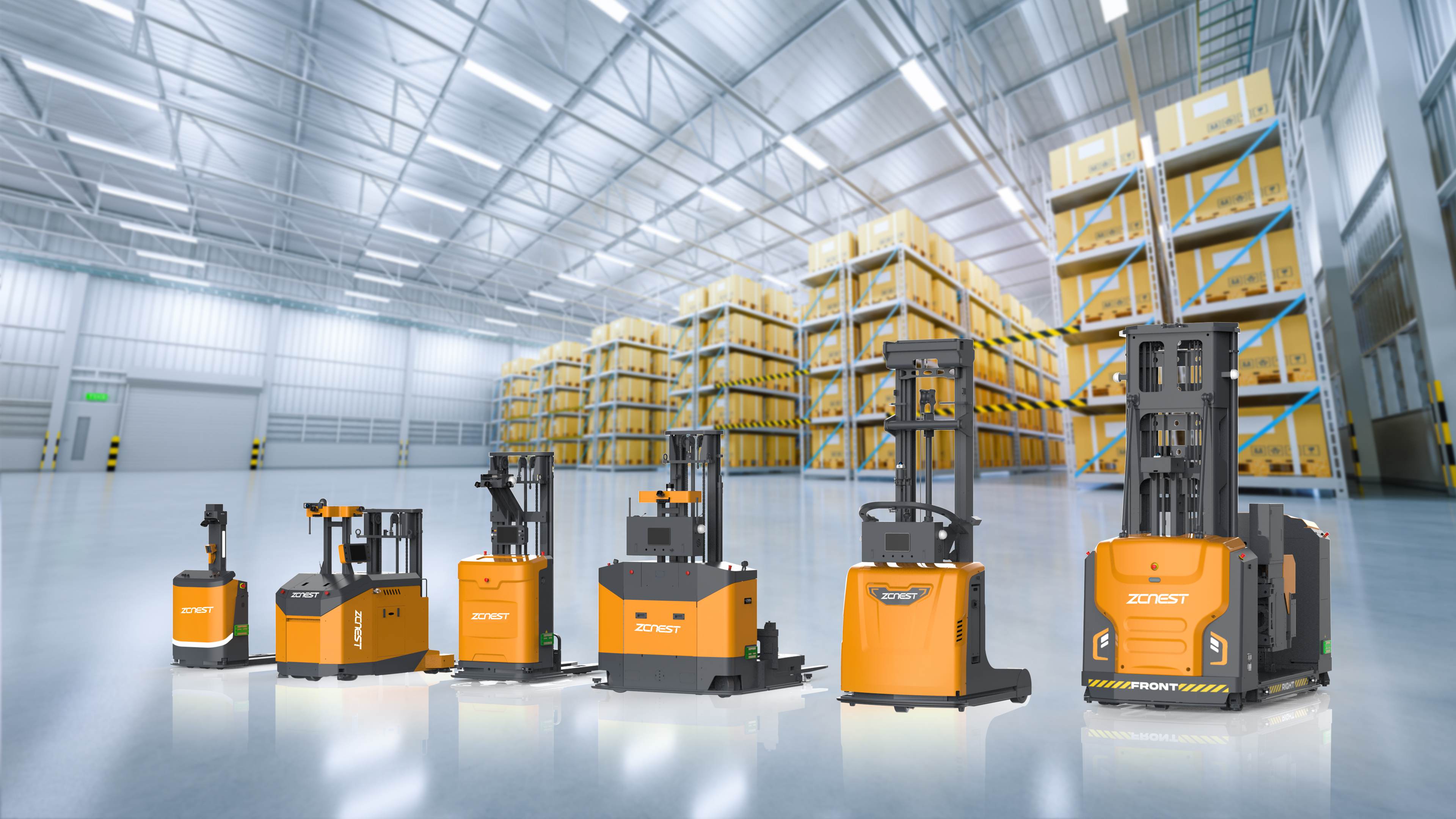
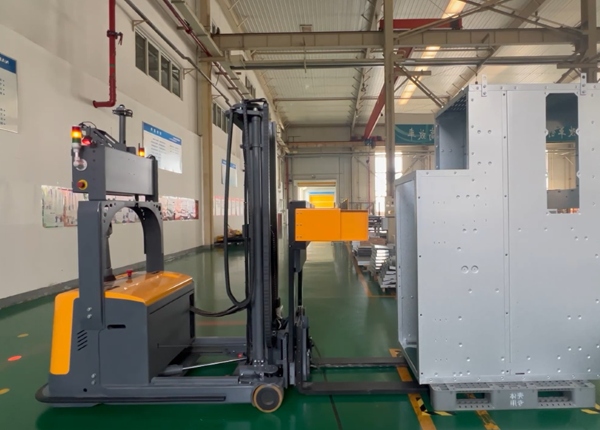
Imported AGVs from China have become increasingly competitive across heavy-duty industrial verticals like automotive intralogistics and food & beverage (F&B) warehousing. Operators in these fields typically seek lower upfront automation costs, flexible mechanical customizations, and a fast, predictable ROI path.
The strongest corporate use cases are rarely found in overly complex, fully autonomous "futuristic" sci-fi concepts. Instead, the maximum financial payback occurs in highly repetitive, high-frequency, operationally structured workflows.
Automotive production lines and food manufacturing hubs operate around rigid timing rhythms, predictable material paths, and continuous throughput demands. These structured conditions perfectly align with the operational strengths of modern AGV fleets.
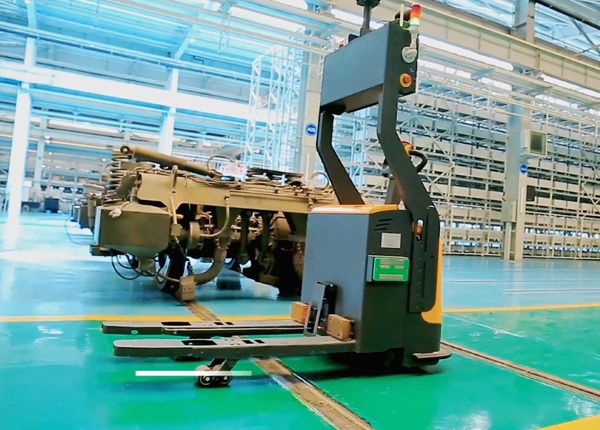
1. Automotive Intralogistics: Managing Takt-Time Pressures
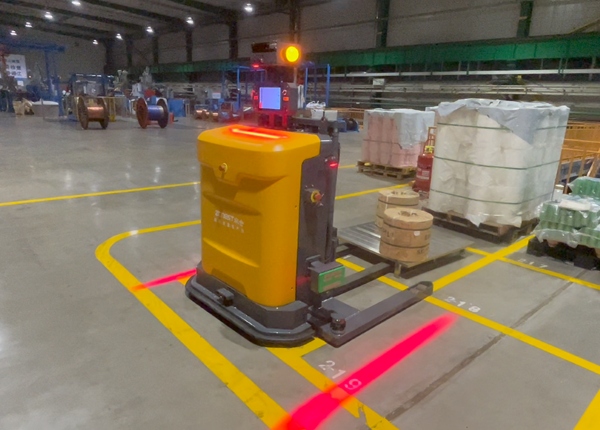
In an active automotive assembly plant, AGV systems support synchronized, sequence-sensitive, Just-In-Time (JIT) material deliveries. Because line starvation can disrupt assembly continuity and trigger heavy downstream financial penalties, the automation architecture requires direct hardware-to-software orchestration:
1. Enterprise Systems (ERP / MES registers real-time usage)
↓
2. Live Production Schedule (Triggers material replenishment pulls)
↓
3. RCS Dispatch Logic (Prioritizes queues and checks battery states)
↓
4. AGV Line-Side Delivery (Executes synchronized material drops)
To withstand the friction of a live tier-1 manufacturing plant, advanced AGV systems utilize dynamic dispatching, cross-intersection traffic path reservations, and redundant path rerouting to avoid bottlenecks caused by manual crews or unexpected line layout modifications.
💡 The Automotive Gold Standard: In heavy assembly sectors, operational predictability is far more valuable than raw vehicle travel speeds. A fleet that runs smoothly, handles tight traffic zones, and maintains a steady pace is always preferred over faster but less stable equipment.
2. Food & Beverage Challenges: Hygiene and Tough Floor Environments
Food and beverage facilities swap automotive timing strains for strict environmental, hygiene, and chemical constraints. Sourcing automation for these sectors requires deep engineering modifications at the hardware level rather than basic software updates.
| Environmental Challenge | Physical AGV Impact | Required Engineering Adaptation |
|---|---|---|
| Strict Sanitation Standards | Risk of open hydraulic oil or standard lubricants contaminating filling lines or packaging zones. | Food-Grade Conversions: Mandatory H1 food-safe hydraulic oils, sealed gearboxes, and stainless steel chassis components. |
| Wet Floors & Washdowns | Slippery epoxies, standing liquids, and condensation cause drive wheel slippage and throw off braking distances. | Traction Engineering: Polyurethane anti-slip drive wheels, specialized traction control tuning, and sealed IP-rated electronic enclosures. |
| Atmospheric Interference | High humidity, airborne moisture particles, and steam can refract safety sensors or cloud camera lenses. | Sensor Protection: Sealed LiDAR housings, specialized optical coatings, and alternate navigation marker backups. |
⚠️ Wet-Floor Operational Realities: Operating an automated fleet across wet bottling floors or inside condensation-heavy cold storage zones requires more conservative travel speeds, strict traffic separation zoning, and rigorous floor maintenance schedules to guarantee reliable braking thresholds.
3. Sourcing for High-Pressure Regions
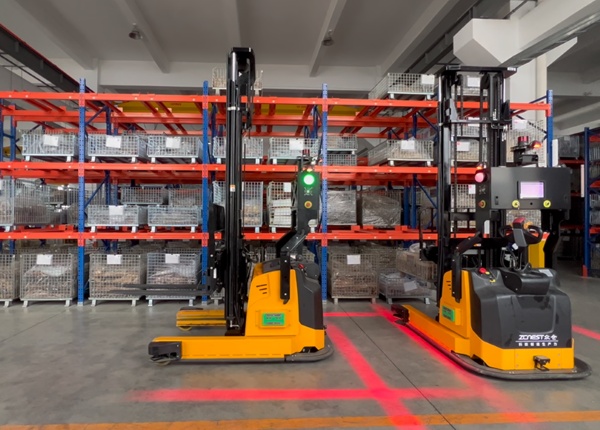
Overseas AGV manufacturers are increasingly winning procurement contracts inside major manufacturing hubs, such as the US Midwest automotive corridors. These high-volume operations are intensely labor-dense and throughput-sensitive, making them prime targets for automated pallet transport, line-side staging, and empty rack returns.
What Industrial Procurement Teams Audit Before Signing:
24/7 Fleet Duty Cycles: Confirming that lithium battery charging rates match continuous multi-shift production profiles.
Local Spare-Parts Pipelines: Ensuring that critical wear-and-tear components (controllers, drive units, LiDAR sensors) are stocked within the region to minimize downtime.
Rigid Integration Maturity: Verifying that the supplier's Robot Control System (RCS) can natively interface with custom MES or specialized WMS architectures.
Ultimately, a successful industrial AGV rollout succeeds because the chosen hardware configuration is structurally modified to withstand your specific floor conditions—not because the machinery looked sleek during a clean showroom demonstration.
Confirm Your Environment's Operational Suitability
Heavy industrial environments leave no room for baseline automation errors. Share your specific plant characteristics with our heavy-duty deployment engineers to verify your operational ROI case:
Specify your application parameters: