
 Chinese
 English

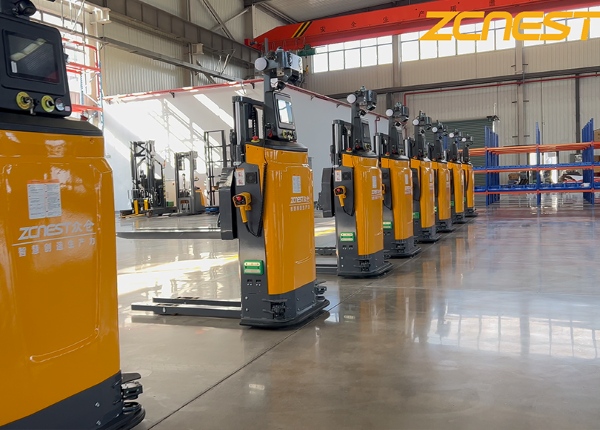
For industrial equipment suppliers and logistics automation providers in the United States, utilizing overseas manufacturing platforms is a proven path to market. Leading Chinese manufacturers extensively support Original Equipment Manufacturer (OEM) and Original Design Manufacturer (ODM) initiatives.
The strategic shift is moving past basic hardware rebranding. True brand equity is built by securing deep software ownership, local service ecosystems, and white-labeled documentation layers.
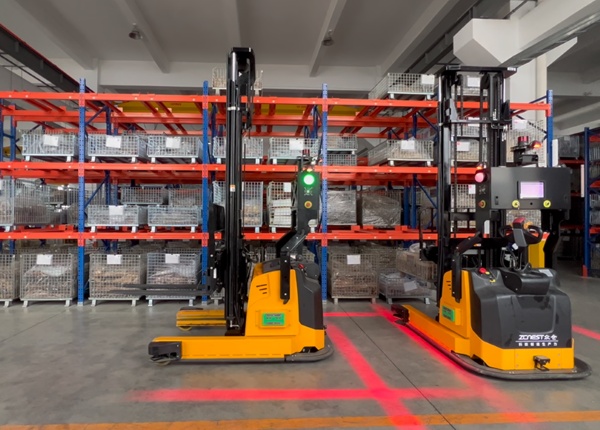
When engineering an outsourced robotics strategy, the goal is to shift your commercial relationship from a simple hardware distribution model to an integrated, proprietary private-label platform control structure.
1. Strategic Levels of Factory Customization
The deeper your customization integration goes, the more effectively your business can defend its regional market positioning. Importers evaluate their product line maturity across three progressive hardware and software milestones:
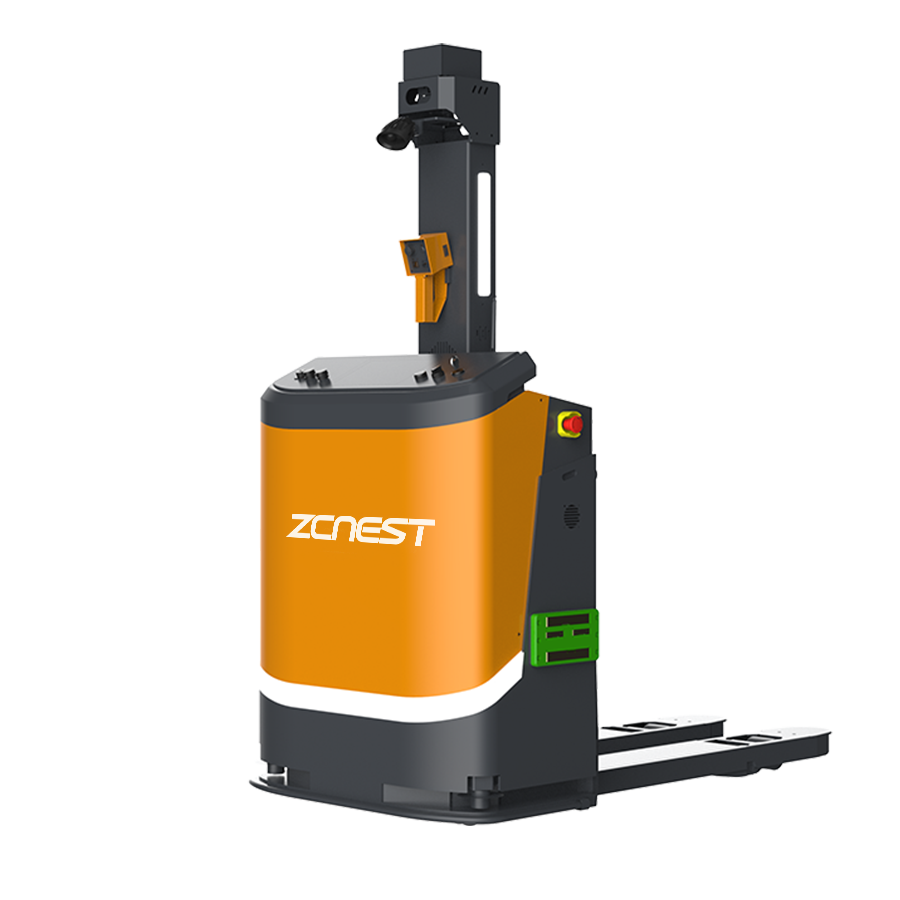
Level 1: Simple OEM (Cosmetic logos, brand nameplate swaps, standard paint finishes)
↓
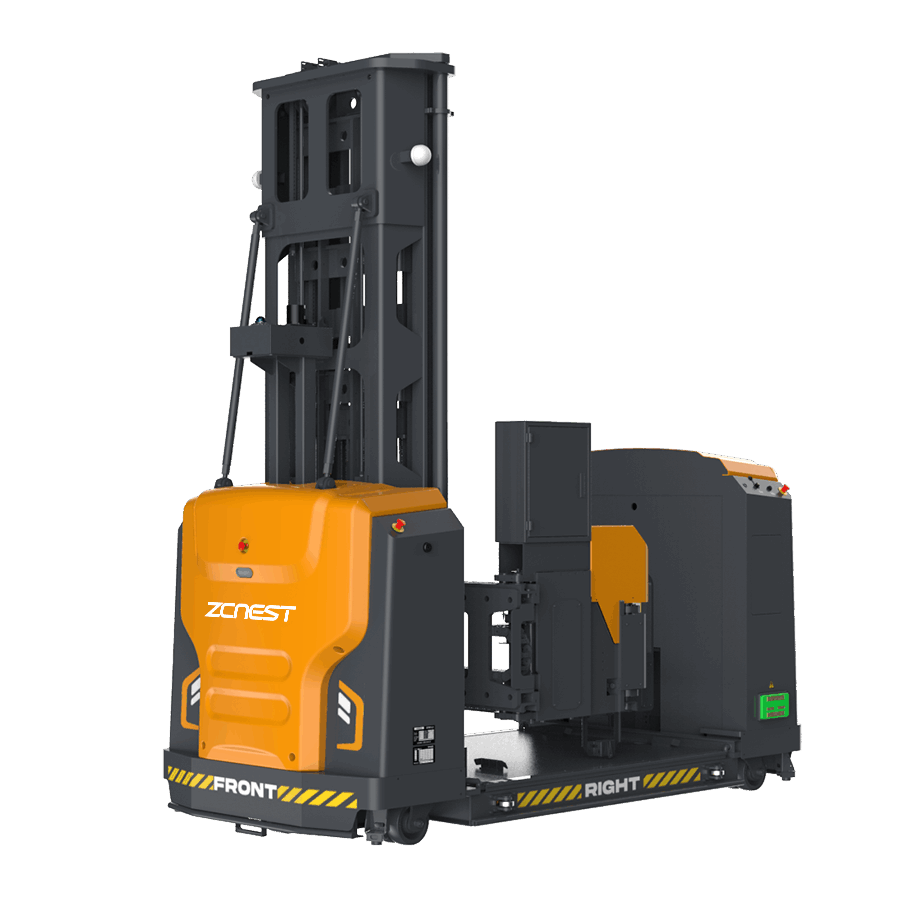
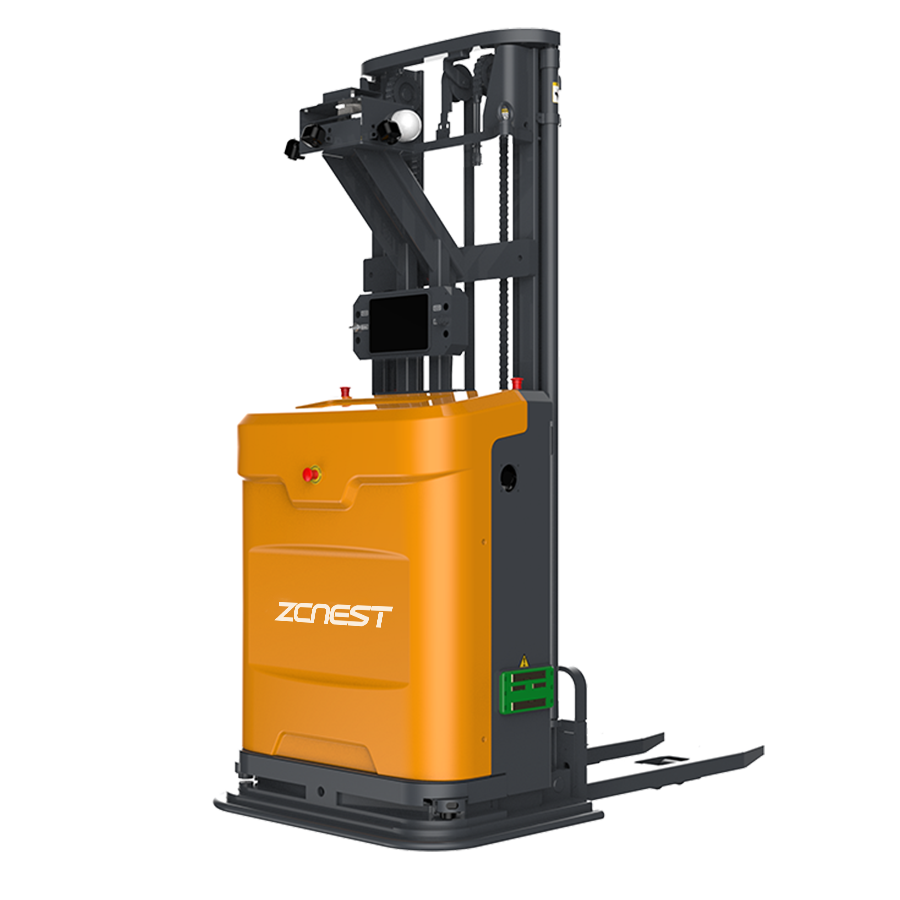
Level 2: Deep ODM (Chassis dimensional edits, customized mast/fork setups, tailored UI)
↓
Level 3: Private Label & Platform Control (Ecosystem white-labeling, custom APIs, localized RCS software)
2. Sourcing Tiers: Minimum Order Quantities (MOQ) and Logic Boundaries
Customization complexity directly alters production scheduling, painting line setups, component tracking, and quality control metrics at the factory floor. Industrial buyers select their engineering path based on targeted investment levels:
| Customization Level | Typical Factory MOQ | Software Rebranding Boundaries |
|---|---|---|
| Basic OEM Branding | 1–5 Units | UI Skinning Only: Custom startup screens, dashboard logos, and corporate color profile themes. |
| Deep ODM Modding | 5–20 Units | Application Layer Tuning: Custom field configurations, user access levels, and private-label documentation links. |
| Advanced Platform Control | 20–100+ Units (Annually) | Core Control Integration: Dedicated server instances, custom API routing layers, and white-labeled Robot Control Systems (RCS). |
📌 The Software Architecture Boundary: While the visual interface layer is highly flexible, the underlying core control architectures, safety PLC logic modules, and raw error code registries typically remain standard across global fleets to protect system stability.
3. Negotiating Territory Rights and Exclusivity
Overseas automation suppliers are generally reluctant to grant expansive geographical territory rights without binding, multi-year minimum purchase commitments. Resellers separate soft, non-binding agreements from real contractual safety netting:
Crucial Parameters to Define in a Formal Exclusivity Clause:
Rigid Territory & Vertical Boundaries: Specific definitions covering state lines (e.g., US Midwest) or narrow industrial sectors (e.g., dedicated cold storage facilities).
Annual Minimum Volume Tiers: Escalating purchase quotas required to extend exclusivity rights into consecutive operational years.
Cross-Channel Restrictions: Explicit rules governing direct online factory inquiries, international systems integrators, and independent regional distributors.
⚠️ The Document Rebranding Gap: A common oversight is accepting white-label manuals that still contain deep factory annotations or localized programming strings. Secure full editable source files (Word/PPT) and localized asset packs to build a credible brand footprint.
4. Securing Long-Term Reseller Stability
Reseller models run heavy commercial risks if competitive local teams can import identical equipment configurations under alternate cosmetic packages. Long-term market protection relies on establishing local technical support depth, maintaining standalone regional spare-parts supply lines, and auditing custom API access layers.
By taking ownership of the local field execution—from initial deployment mappings to independent on-site preventative maintenance services—your organization ensures that the underlying manufacturing origin remains a minor detail to the end customer. Market authority is won through local support execution.
Map Your Brand Architecture Strategy
Designing a resilient private-label robotics line requires matching your target commercial model with the right engineering and software tiers. Share your planned business parameters with our distribution strategists to establish your sourcing blueprint:
Define your targeted channel framework: