
 Chinese
 English

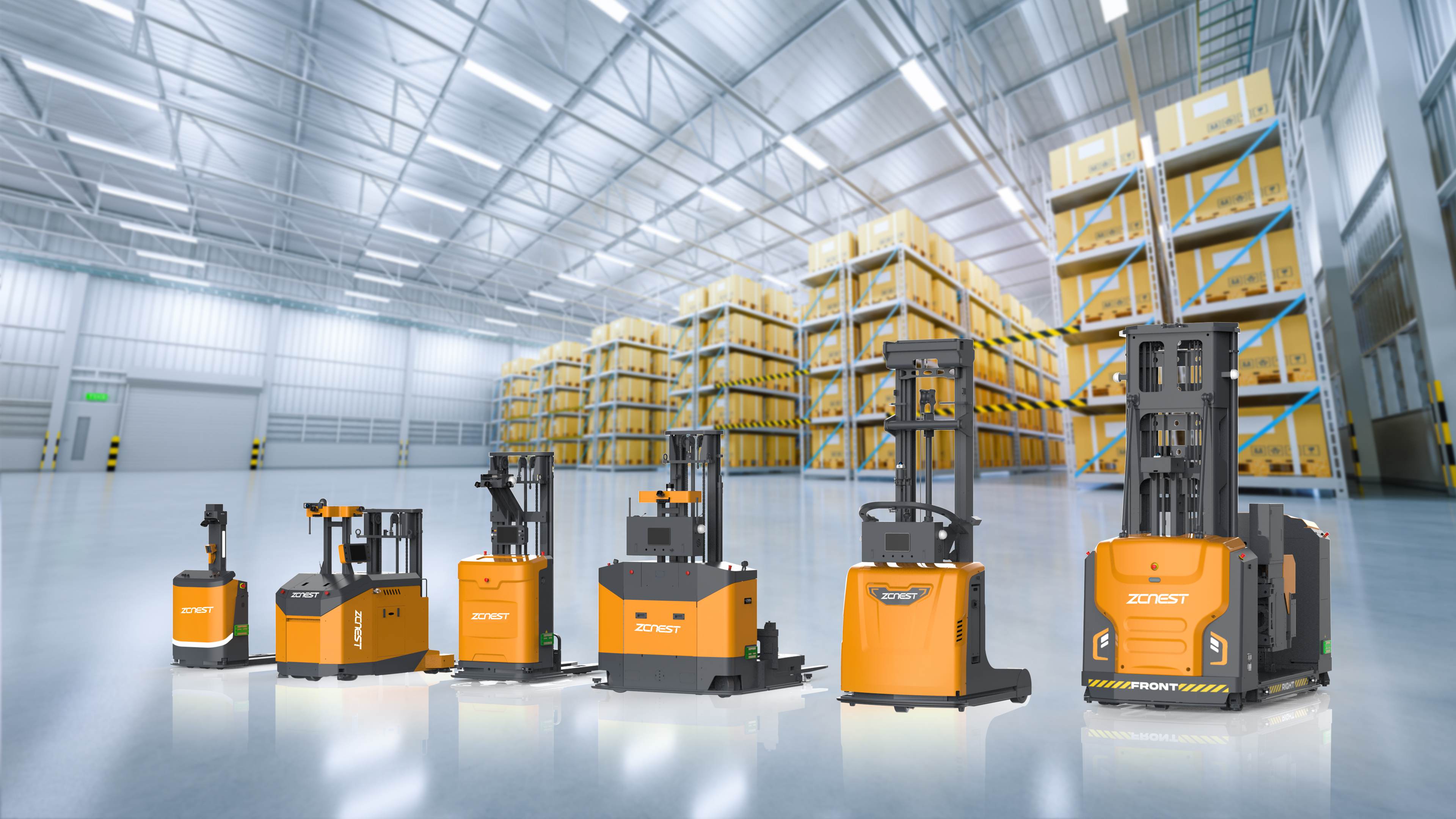
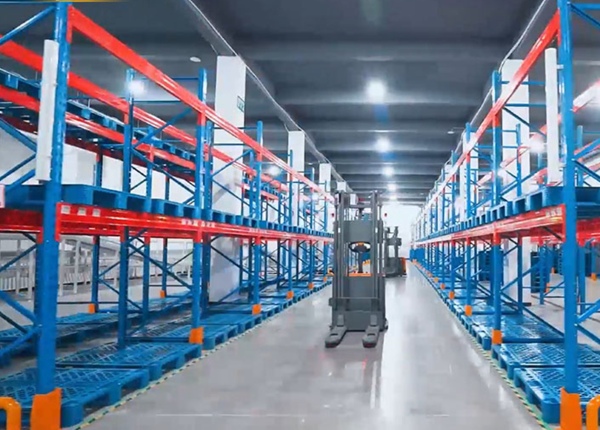
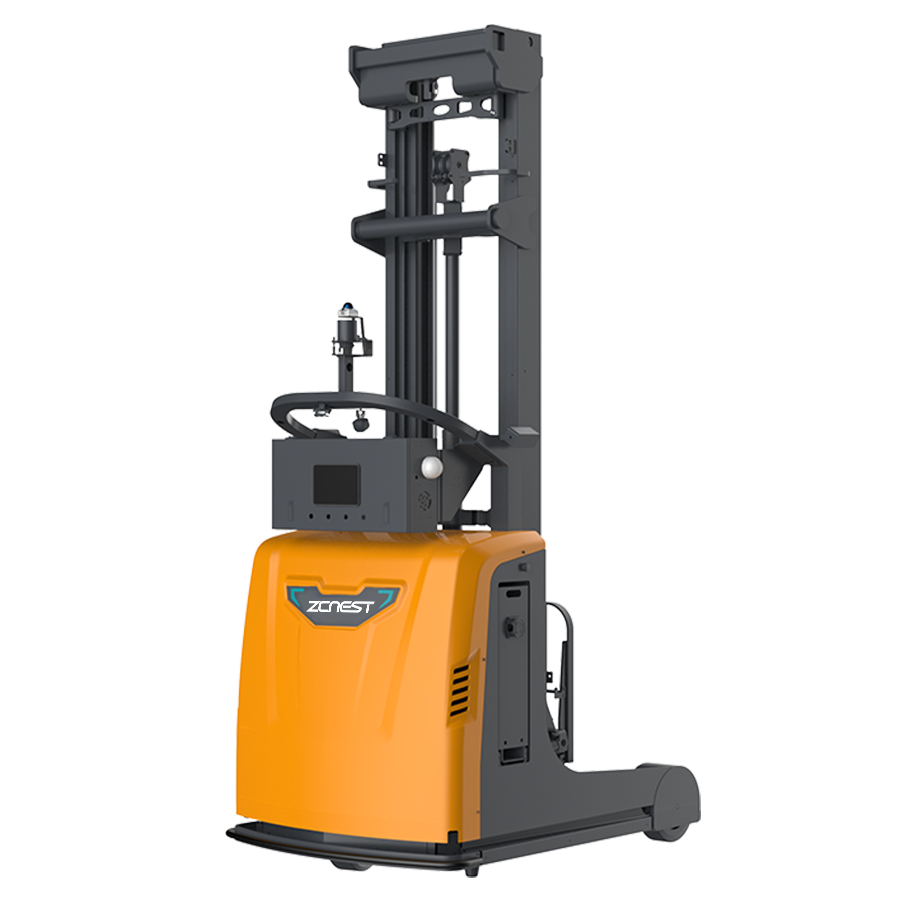
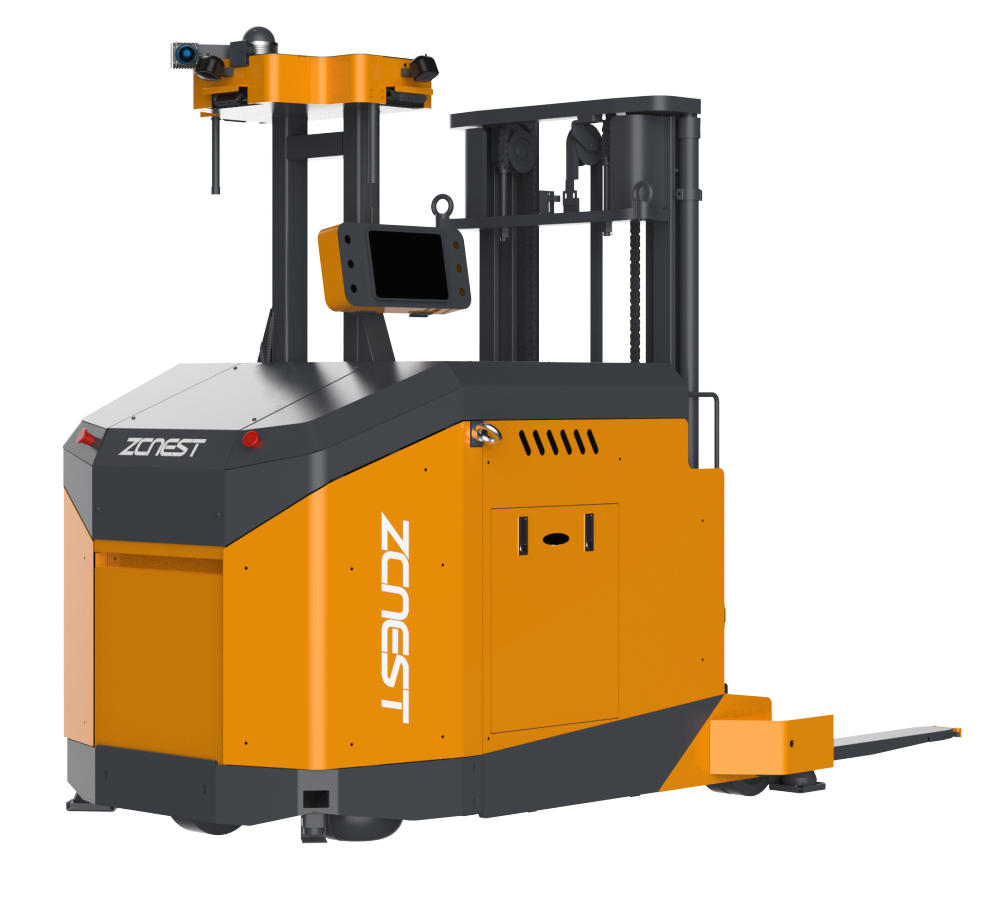
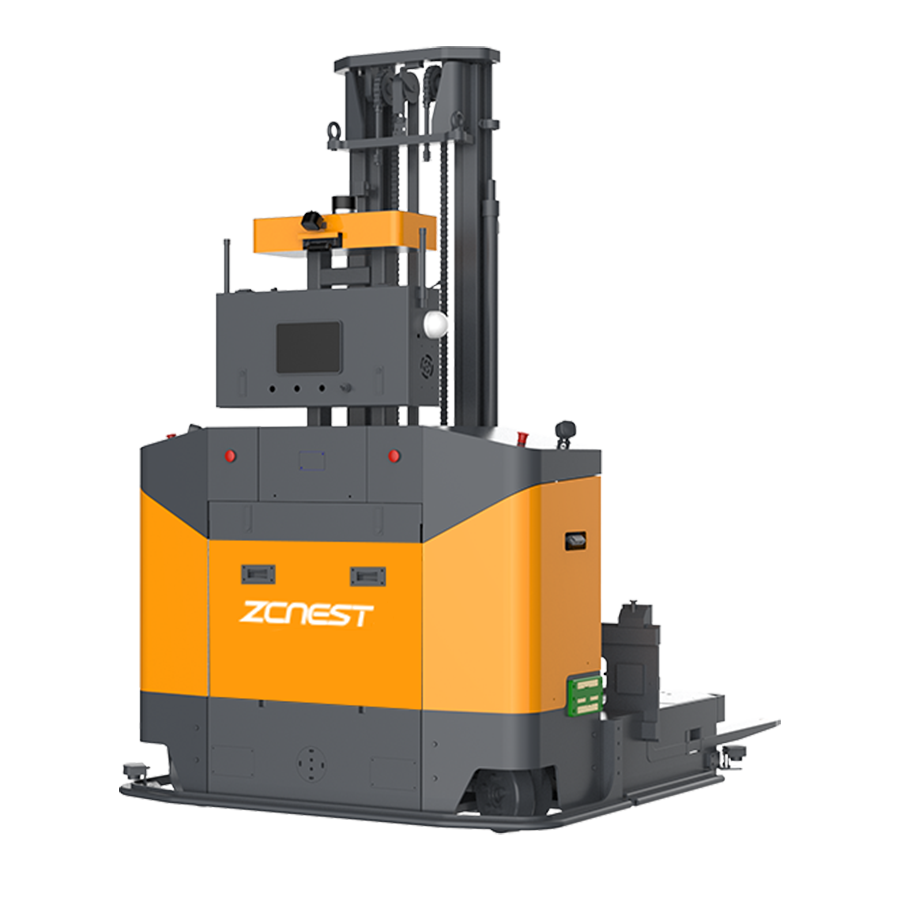
Deploying Very Narrow Aisle (VNA) automated guided vehicles centered around standard global baselines—such as the 1200 mm (48x40 inch) pallet footprint—represents the upper tier of warehouse density engineering. In these layouts, successful automation transitions away from basic load capacity ratings, focusing instead on tight structural clearance management.
The VNA Engineering Constraint: Operating automated equipment at high lift elevations within tight physical corridors requires managing the structural relationship between floor flatless, mast deflection, and rack alignment tolerances.
When engineering high-bay automated material handling systems, procurement teams look beyond basic chassis sizing. Protecting operations from aisle collisions and pick failures requires evaluating how high-elevation dynamics affect vehicle stability.
1. Aisle Dimensioning: Defining Clear Physical Boundaries
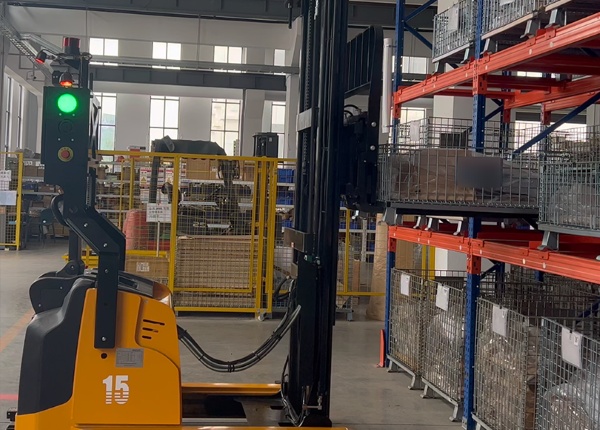
Aisle width requirements for a standard 1.5-ton VNA AGV are dictated by the chosen guidance mechanism and the vehicle's structural handling design. Nominal operating configurations map across distinct limits:
Free-Navigation / SLAM Systems
Typically operating with aisle spaces from 1,600 mm to 1,900 mm. These configurations offer high layout flexibility, relying on structural tracking adjustments to maintain clearance boundaries.
Guided High-Precision Turrets
Restricted to 1,500 mm or narrower clearances. These configurations require rigid floor-embedded wire guidance or mechanical steel side-rails to eliminate lateral steering drift.
As operating aisles shrink, safety factor tolerances disappear. Tight corridors demand highly stable tracking networks, minimal pallet over-hang, and strict floor level uniformity to prevent structural racking strikes.
2. Navigation Systems: Stability vs. Adaptability
Selecting a VNA tracking architecture requires evaluating long-term warehouse layout flexibility against the absolute precision needed for tight rack positioning.
| Navigation Type | Primary Tracking Method | Operational Limitations in High-Bay Layouts |
|---|---|---|
| Physical Wire Guidance | Floor-embedded lines emit an inductive signal followed by sensors. | High floor cut installation costs and fixed paths; delivers excellent stability and alignment repeatability. |
| Natural SLAM Navigation | LiDAR arrays track walls, structural columns, and fixed rack faces. | Prone to tracking drift in long, uniform aisles; sensitive to dust accumulation and racking face changes. |
| Hybrid Reflector Assist | LiDAR SLAM path mapping paired with high-accuracy reflective targets. | The current industry approach; pairs flexible layout routing with pinpoint triangulation down deep aisles. |
3. High-Height Dynamics: The Lever-Arm Deviation Vector
VNA AGVs running high-bay routes—reaching heights from 8 meters to over 16 meters—face severe mechanical stress patterns. At extreme heights, baseline floor variations generate amplified displacement at the fork carriage level.
Floor Flatness (FF/FL) Validation
Dynamic Mast Sway Dampening
Hydraulic Load-Center Controls
Active Carriage Micro-Alignment
Managing this displacement requires strict adherence to defined Floor Flatness (FF/FL) floor specifications. A minute, millimeter-level ground deviation shifts a highly extended mast sideways, translating into a decimeter-level deviation at the top rack slot. To counter this, high-bay fleets integrate active mast sway dampeners and real-time hydraulic adjustments to preserve load alignment.
⚠️ The Theoretical Aisle Traps: Sourcing failures often occur when systems are designed using theoretical blueprints. Real-world rack installation lean, minor floor slumping, or asymmetric pallet wrapping can cause clearance strikes if actual field variations are ignored.
4. Mechanical Complexities of Tri-Lateral Handling
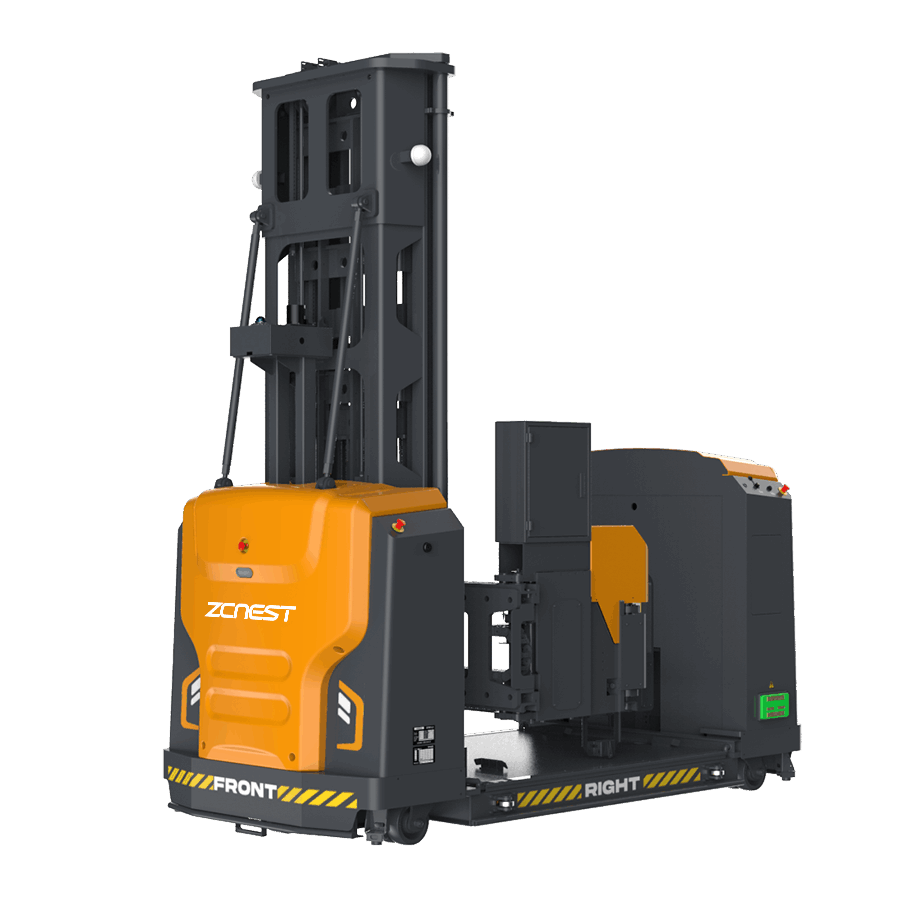
To maximize narrow-aisle efficiency without turning the entire vehicle chassis, VNA platforms utilize specialized turret heads that rotate forks up to 180° to service both sides of the aisle. This tri-lateral movement increases mechanical complexity and calibration sensitivity.
The extra rotation mechanism shifts the load center outward, increasing load sway risk during high picks. Consequently, mature manufacturers limit rotation speeds and add active fork-centering routines to keep the vehicle balanced during fast cycle times.
VNA Automated Warehouse Sourcing Audit
Before completing a high-bay VNA automated vehicle procurement contract, verify that your structural and robotic integration logs include the following technical protections: