
 Chinese
 English

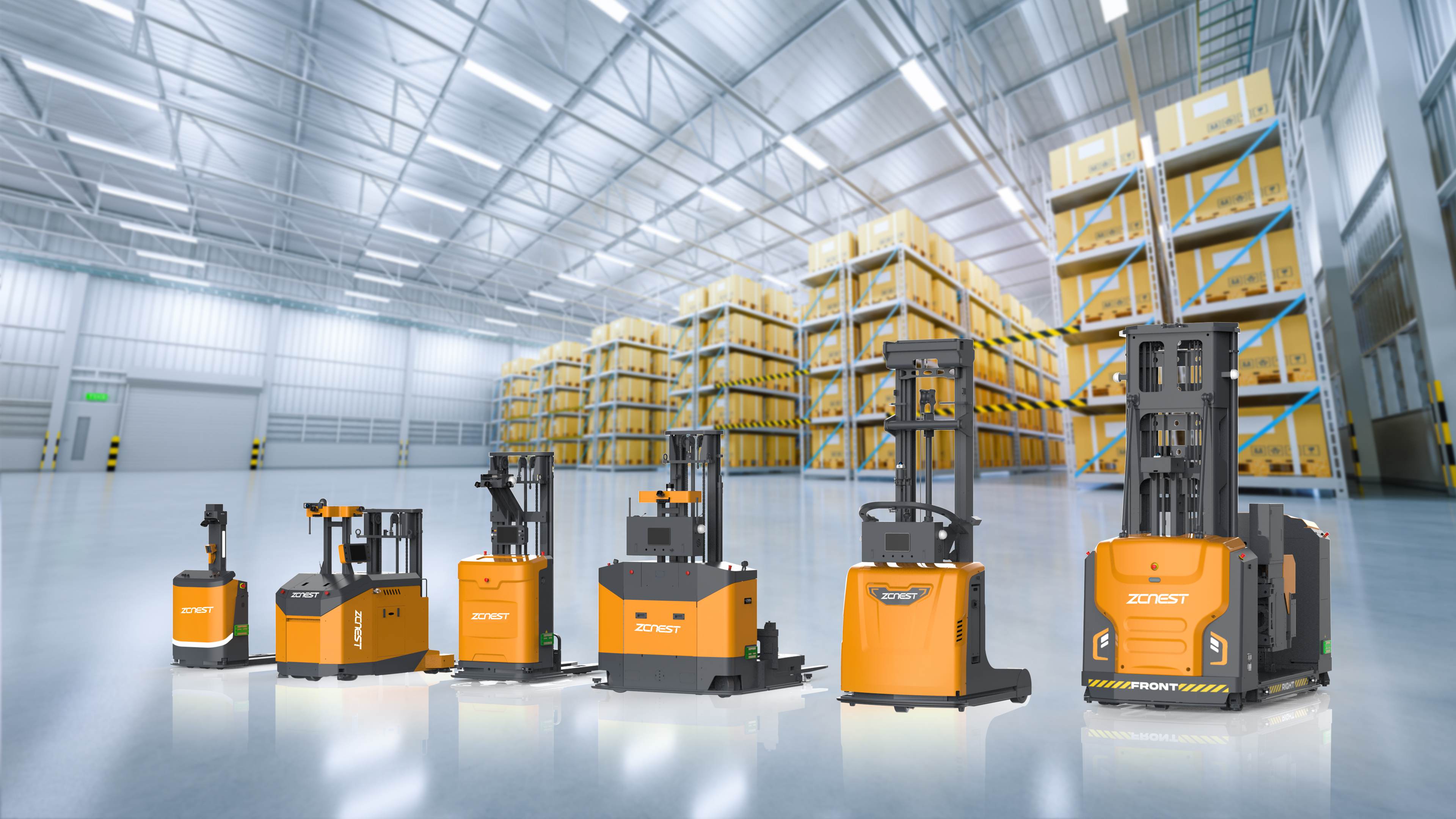
Integrating omni-directional Autonomous Mobile Robots (AMRs) into high-density storage environments—such as micro-fulfillment hubs, semiconductor facilities, and cleanroom packaging spaces—fundamentally changes traditional warehouse footprint design. These platforms resolve a core physical limitation of manual forklifts: the dependency on sweeping turning arcs to position payloads.
The Footprint Optimization Shift: Space optimization with omni-directional systems comes from eliminating forklift turning maneuvers rather than narrowing the aisles alone. Vehicles shift, translate, and reposition sideways, utilizing space that traditional equipment locks out.
While multidirectional movement unlocks major footprint advantages, it introduces unique mechanical and operational trade-offs. Scaling an omni-directional fleet requires balancing structural space savings against increased mechanical complexity and stricter floor profile requirements.
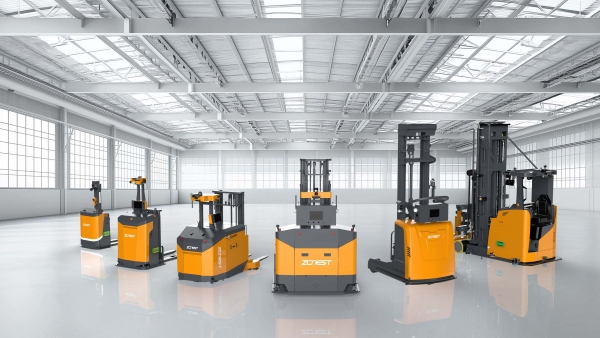
1. Kinematic Profiles: Omnidirectional vs. Traditional Footprints
Conventional industrial lifts operate on fixed Ackerman or three-wheel steering configurations, which require multi-point maneuvers to enter deep storage corridors. Omni-directional assemblies bypass these steps by executing instantaneous lateral translations:
Crab-Walk Translation
Zero-Radius Spin
Diagonal Tracking
Lateral Docking
This dynamic adjustment allows an AMR to glide sideways ("crab walk") directly into ultra-narrow storage bays without changing its chassis orientation. This setup eliminates space-consuming approach buffers, allowing facility engineers to place automated workstations and racking structures much closer together.
2. Drive Architecture Matrix: Mechanics and Wear Realities
Achieving independent movement along any vector requires moving away from standard solid industrial tires toward highly articulate, multi-roller wheel assemblies.
| Drive Wheel Subsystem | Kinematic Architecture Mode | Long-Term Maintenance & Floor Vulnerabilities |
|---|---|---|
| Mecanum Wheel Hubs | Rigid perimeter rollers angled at 45° translate vector forces into lateral movement. | High Debris Sensitivity: Small rollers can bind on floor waste, metal shavings, or unsealed expansion joints. |
| Steer-By-Wire Dual Modules | Independent drive wheels pivot dynamically via high-torque servo linkages. | Calibration Demands: Requires continuous synchronization of steering angles to prevent tire scrubbing and tracking errors. |
| Castor Suspension Arrays | Passive spring-loaded guide rollers distribute mass and absorb vibration. | Wear Vector: Subject to high lateral shear forces during pivot-in-place rotations, accelerating flat-spotting. |
3. Navigational Complexity: Slip Dynamics and Control Loops
While laser scanners and SLAM algorithms track a vehicle's position accurately on a digital map, executing sideways movement introduces significant mechanical traction challenges.
Forward Flight Tracking
Standard tracking patterns enjoy consistent traction. Mass is distributed evenly across fixed drive axles, minimizing reliance on real-time slip compensation algorithms.
Lateral & Diagonal Trajectory
Sideways travel alters load distribution and wheel traction lines. Imperfect floors, slope variations, and moisture cause asymmetric wheel slippage, requiring high-frequency adjustments to maintain path accuracy.
⚠️ The Mechanical Synchronization Risk: Omni-directional drive systems do not typically fail due to software navigation loss. Instead, long-term wear stems from subtle synchronization drift between individual drive modules, which causes tire scrubbing, increased battery draw, and path weave over extended use.
4. Mitigating Wheel Slip with Closed-Loop Feedback
To keep lateral positioning stable when transporting maximum payloads over uneven warehouse slabs, mature manufacturers implement advanced closed-loop feedback systems. These setups pair high-resolution motor encoders with multi-axis Inertial Measurement Units (IMUs).
The control software monitors wheel speeds thousands of times per second. If it detects a sudden drop in traction while crossing an epoxy floor joint, it instantly shifts torque to the remaining wheels, neutralizing lateral drift before it skews sensor data or causes a tracking fault.
Omni-Directional AMR Operational Integration Audit
Before deploying an omni-directional mobile fleet in a compact facility, confirm that your engineering contract includes the following system protections: