
 Chinese
 English

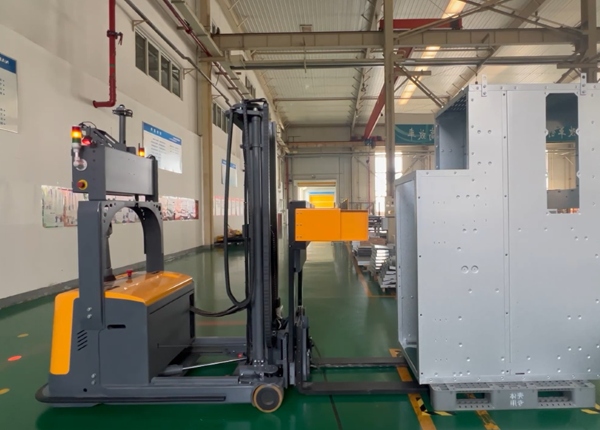
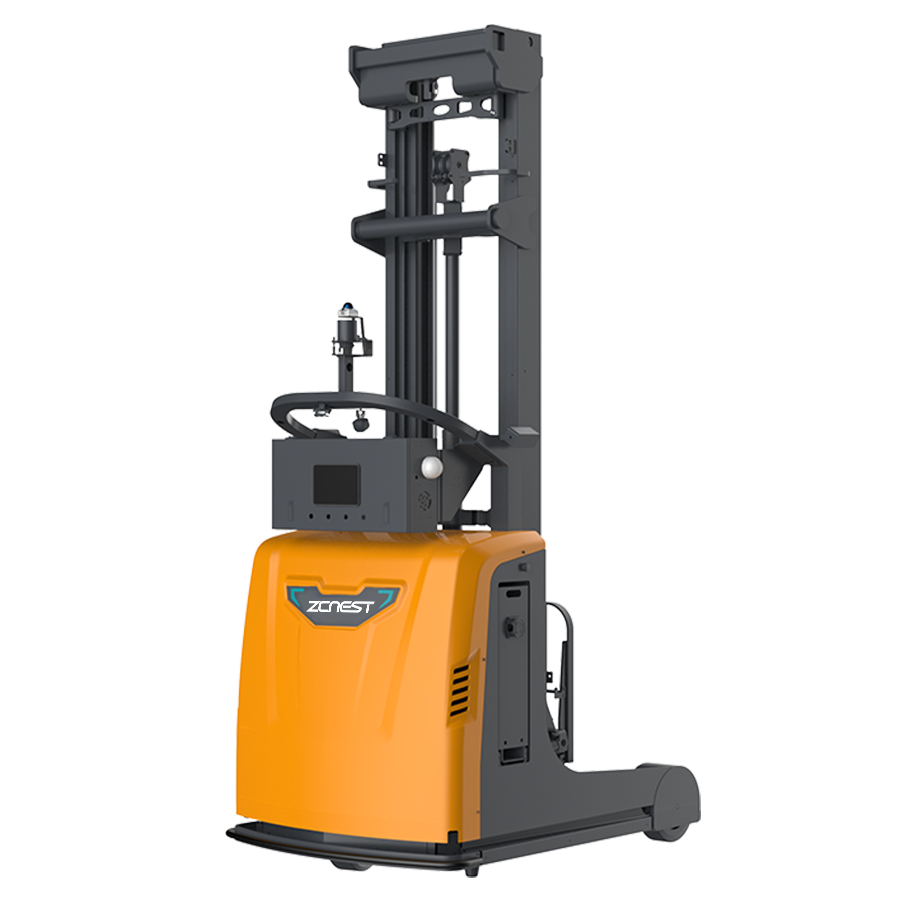
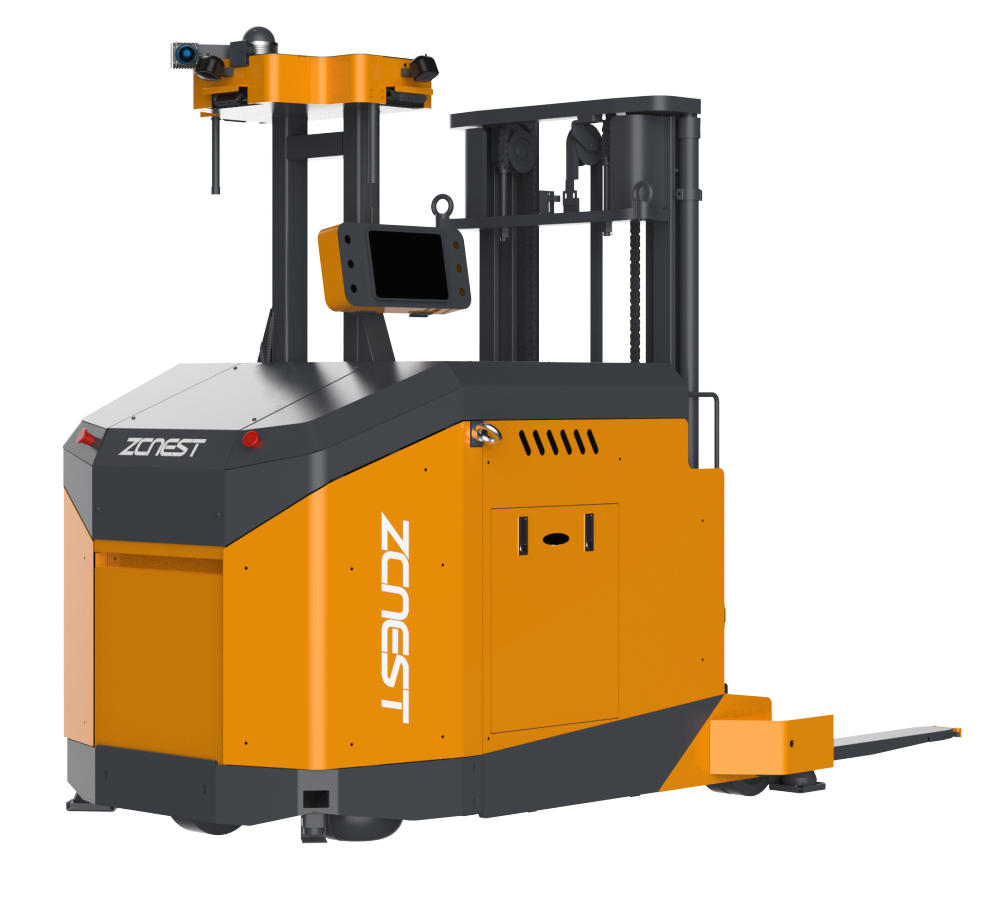
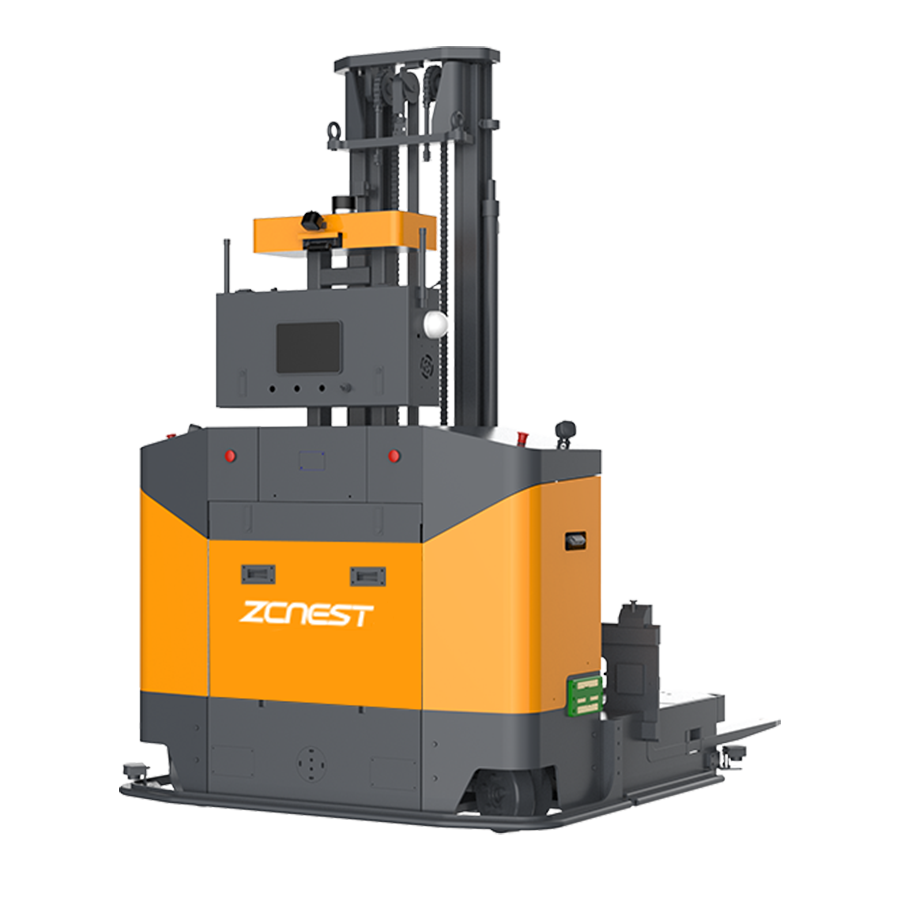
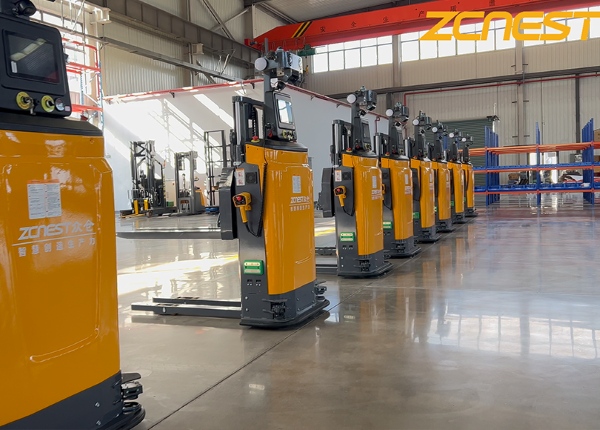
Integrating artificial intelligence (AI) vision arrays onto automated forklift fleets represents a major upgrade in modern material handling. While traditional 2D LiDAR navigation provides reliable facility mapping and localized routing, standard coordinate-based models struggle when encountering real-world pallet variables, deformed packaging, and irregular stacking alignment.
The Core Perception Shift: Transitioning from fixed-coordinate positioning to dynamic vision loops shifts automated vehicles into an "Observe → Analyze → Correct → Insert" model, reducing fork puncture events and product damage.
In high-throughput facilities, automated equipment must interact safely with imperfect unit loads. Maximizing pick reliability requires evaluating how multi-sensor fusion, infrared assistance, and spatial confidence scoring handle real-world staging imperfections.
1. Perception Architecture: Hardware Processing Matrix
Relying on a single optical sensor exposes an automated forklift to tracking drops caused by lighting swings, dust buildup, or glare. Modern vision systems combine distinct hardware arrays to handle changing floor conditions:
3D Time-of-Flight (ToF) Depth Sensors
Generates dense geometric point clouds of the load face. This setup identifies precise pallet pocket spaces, pitch variations, and volume displacement regardless of ambient light levels.
Infrared (IR) Assisted Imaging
Emits active non-visible illumination to penetrate low-light environments and neutralize deep shadows inside deep racking lanes, preventing sensor dropouts.
2. Edge Adaptive Processing: The Insertion Adjustment Pipeline
When an automated vehicle approaches a skewed or structurally imperfect pallet stack, its onboarding algorithms recalculate target pathways in real time rather than stopping production.
Optical Target Scan
Pocket Dimension Pass
Skew Angle Calculation
Active Fork Adjustment
The vision system actively measures load lean, structural surface warping, and vertical entry offsets. If a pallet exhibits a slight tilt, the vehicle adjusts its carriage tilt and fork level matching to ensure clean pocket entry, preventing rack strikes and double-handling cycles.
⚠️ The High-Bay Elevation Vector: A minor, millimeter-level pallet lean at ground level scales up dramatically as stacking heights increase. Above 8 meters, even minor load tilt can cause fork insertion failures if the vehicle lacks an active carriage vision array to double-check high-level clearances.
3. Mitigating Surface Interference: Transparent Wrapping Film
Tightly applied, clear plastic shrink-wrap remains one of the most difficult challenges for automated material handling sensors. Highly glossy films scatter and distort laser beams, generating false distance artifacts and broken perimeter models.
| Sensor Layer | Physical Failure Risk Mode | AI Fusion Mitigation Workflow |
|---|---|---|
| 2D/3D LiDAR Arrays | Laser beams refract or scatter off glossy surfaces, corrupting localized point clouds. | Blends laser distance telemetry with structural texture data from secondary camera feeds. |
| Standard RGB Optics | High warehouse glare and overhead lighting reflections mask pallet pocket profiles. | Deploys neural nets trained on wrapped shape contours to extract edge vectors despite bright glare reflections. |
| Ultrasonic Ranging | Acoustic absorption from loose wrap flaps generates noisy, inaccurate distance profiles. | Filters sensor inputs through confidence-scoring loops, prioritizing deep visual models when acoustic readings are unstable. |
4. Industrial Implementation Realities vs. Consumer ML Models
In heavy industrial environments, buyers prioritize predictable execution over unverified self-learning systems. Automated forklifts do not run uncontrolled deep-learning updates directly on active floor networks, as this can introduce unvetted navigation errors.
Instead, performance is optimized through structured model refinement. Manufacturers capture edge-case failure images, clean and label the data, retrain the vision models in controlled sandboxes, and push verified software patch updates to the fleet. This maintaining strict safety and operational audit trails.
AI Vision Forklift Procurement Audit
Before executing a high-precision automated vehicle procurement contract, confirm that your system specifications include the following technical protections: