


Total floor area (m² / ft²)
Usable floor area vs. obstruction zones
Ceiling height (min / max)
Width of narrowest aisles
Width and clearance of blind turns
Loading dock dimensions
Elevator/machinery shaft dimensions
Mezzanine presence & floor load rating
Tip: Measure narrow turns using a laser distance meter at the floor and AGV wheel height for accuracy.
Floor flatness (FF / FL rating)
Floor slope (degrees or %)
Maximum gap in expansion joints
Floor coating type (epoxy, concrete, tile)
Coefficient of friction (dry / wet)
Abrasion or wear zones
Tip: Use a portable tribometer to map friction variation along AGV paths.
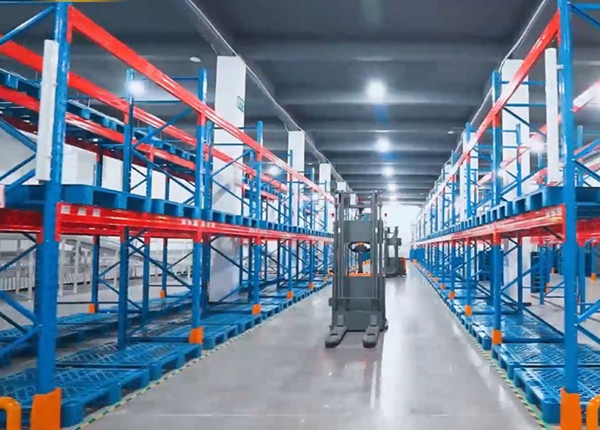
Permanent racks & shelves (height, footprint)
Fire extinguishers & emergency exits
Columns and structural posts
Conveyor interfaces
Fixed machinery & pallet positions
Map all fixtures with precise coordinates; include emergency exits and fire extinguishers for safety and AGV path planning.
Temperature range (min/max)
Relative humidity
Dust levels (ISO or OSHA classification)
Presence of water or spills (wet zones)
Light levels for AI vision cameras
Tip: High-humidity or wet zones may require IP65-rated sensors or special LiDAR protection.
Wi-Fi SSID coverage at 2m above floor
Signal strength (dBm) at AGV sensor height
Number of APs & channel mapping
Interference sources (metal racks, motors)
Ethernet drop availability for RCS servers
Tip: Measure RSSI with a Wi-Fi analyzer app (NetSpot, Ekahau) at ~1.5–2m along primary AGV paths.
AC voltage & phase at charging points (110V / 220V / 480V)
Number of outlets per dock
Emergency power cutoff locations
Cable routing constraints
Peak pallet moves per hour
Average load weight (kg/lb)
Max pallet size & height
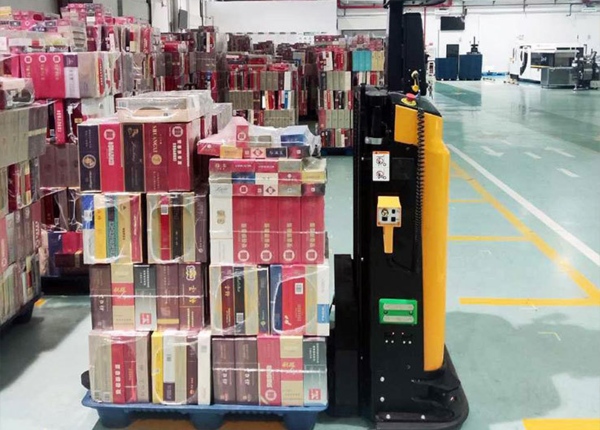
Types of pallets (48x40, plastic, wood, custom)
Number of shift changes per day
Forklift traffic patterns
OSHA minimum clearance zones
Safety barriers and markings
Emergency stop button locations
Fire suppression zones
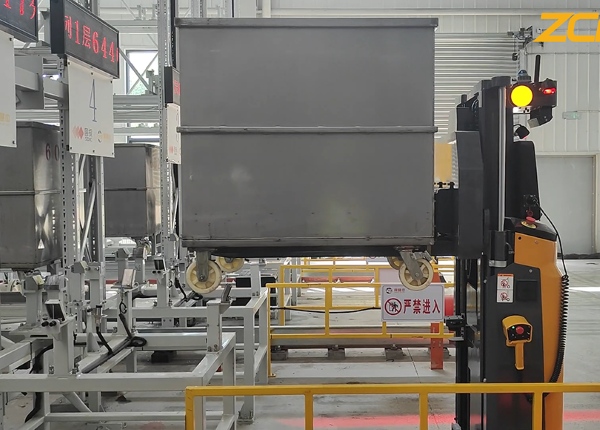
Conveyor or lift interface points
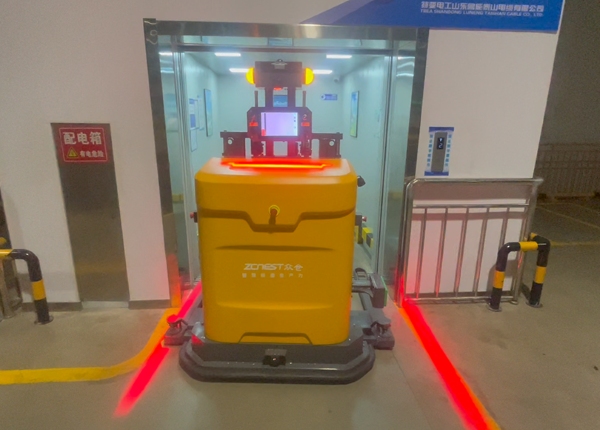
Auto-door access points
ERP/WMS integration requirements
Existing fleet of manual or automated forklifts
Spare parts storage area
Charging station access routes
Operator access & control panel locations
Optional: Backup Wi-Fi or 5G coverage, HVAC interference zones.
Blind Turns: Measure with laser at AGV wheel height; add 50–100mm buffer for safe cornering.
Fire Extinguishers & Emergency Exits: Mark exact location for navigation RCS no-go zones.
Coefficient of Friction: Use a tribometer in dry and wet conditions; note variability for speed/path adjustment.
Wireless Signal: Measure RSSI at AGV sensor height (~2m) using a Wi-Fi analyzer app along main routes.
✅ Once all 50+ data points are collected, feed them into a digital warehouse map (CAD/BIM or Digital Twin). This enables your China supplier to plan:
Fleet sizing
Navigation path planning
Collision avoidance setup
Load and safety validation
FREE ENGINEERING SUPPORT Stop Gambling on Generic Platforms. Get an AGV/AMR Tailored to Your Warehouse.Buying automated guided vehicles involves complex safety standards (CE/ANSI), navigation setups (Laser SLAM), and ERP system integration. Don't risk your factory safety with middle-men. ✓ 100% Direct Factory: Customized payload up to 5 Tons. ✓ Free CAD Simulation: Send us your layout, and our engineers will simulate the optimal AGV routes. ✓ Global Support: Overseas installation guidance & local maintenance partners. |





 Chinese
 English