

Software is becoming just as important as hardware in modern AGV systems. While autonomous forklifts are designed for years of continuous operation, the fleet management software, navigation algorithms and firmware will continue to evolve throughout the equipment lifecycle.
For companies importing AGV forklifts from China, one of the most common questions is not whether software can be upgraded, but how those upgrades can be managed without interrupting production, compromising cybersecurity or creating compatibility issues with existing warehouse systems.
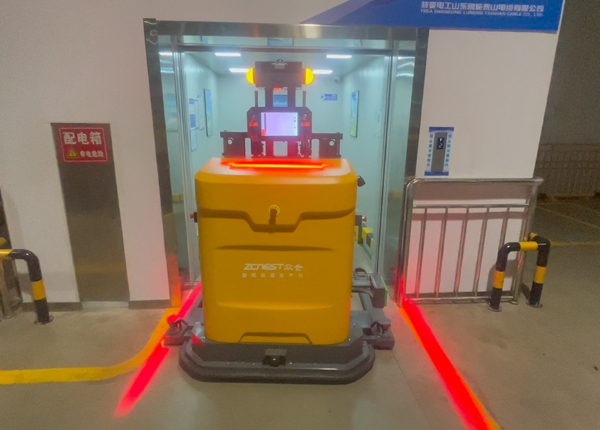
Every software update may include bug fixes, security patches, performance improvements or new functions. However, updating an industrial automation system is very different from updating a smartphone application. Every software change has the potential to affect navigation, dispatching, WMS communication and vehicle safety.
This is why professional AGV suppliers treat software upgrades as controlled engineering projects rather than routine downloads.
| Upgrade Method | Typical Application |
|---|---|
| Local Server Upgrade | Preferred for factories with strict cybersecurity policies. |
| VPN Remote Support | Supplier connects only during approved maintenance windows. |
| Private Cloud Deployment | Suitable for multi-site fleet management. |
| OTA (Over-the-Air) | Used only when authorized by the customer's IT department. |
The safest upgrade strategy is to minimize operational risk before deploying new software across the entire fleet.
Test new versions in a staging environment first.
Upgrade one or two vehicles before updating the full fleet.
Schedule upgrades during planned maintenance periods.
Verify communication with WMS, ERP and PLC systems before production resumes.
Keep complete software backups before every upgrade.
For most enterprise customers, software updates should never be pushed automatically by the supplier without approval.
A recommended approval process includes:
Supplier provides release notes.
Customer IT reviews the changes.
Maintenance engineers verify compatibility.
Operations team schedules the maintenance window.
Upgrade proceeds only after formal approval.
A professional AGV platform should always support version rollback. If unexpected issues occur after deployment, engineers should be able to restore the previous stable version quickly.
Key rollback capabilities include:
Complete version history
Configuration backup
Database recovery
Fleet synchronization after rollback
Detailed upgrade logs
Software maintenance policies vary between suppliers. Before signing a purchase contract, buyers should clearly understand what is included.
| Service Item | Recommended Confirmation |
|---|---|
| Bug Fixes | Included during warranty period |
| Security Patches | Regularly provided |
| New Features | Clarify whether additional licensing applies |
| Firmware Updates | Confirm if included in annual support agreement |
Can all software updates be performed on our local server?
Do we control when updates are installed?
Is rollback supported if an update fails?
Will software updates affect WMS or ERP integrations?
How long is software support guaranteed after purchase?
Are firmware updates included in the maintenance agreement?
Can updates be tested before production deployment?
After participating in numerous warehouse automation projects, one lesson stands out: the long-term success of an AGV system depends less on how often software is updated and more on how professionally those updates are managed.
The best suppliers are not those releasing the most frequent software versions, but those providing stable version control, comprehensive testing procedures and predictable maintenance policies. Industrial automation values reliability over rapid feature expansion.
When evaluating Chinese AGV suppliers, buyers should pay as much attention to software lifecycle management as they do to vehicle specifications. A transparent upgrade policy, strong rollback capability and customer-controlled deployment process are often indicators of a mature automation partner capable of supporting operations for the next five to ten years.
FREE ENGINEERING SUPPORT Stop Gambling on Generic Platforms. Get an AGV/AMR Tailored to Your Warehouse.Buying automated guided vehicles involves complex safety standards (CE/ANSI), navigation setups (Laser SLAM), and ERP system integration. Don't risk your factory safety with middle-men. ✓ 100% Direct Factory: Customized payload up to 5 Tons. ✓ Free CAD Simulation: Send us your layout, and our engineers will simulate the optimal AGV routes. ✓ Global Support: Overseas installation guidance & local maintenance partners. |





 Chinese
 English