


Evaluating the reliability of hardware fleets operating in heavy enterprise conditions requires moving past theoretical factory estimates. True performance benchmarks are measured through Mean Time Between Failures (MTBF), component lifespans, and aggregate fleet uptime ratios.
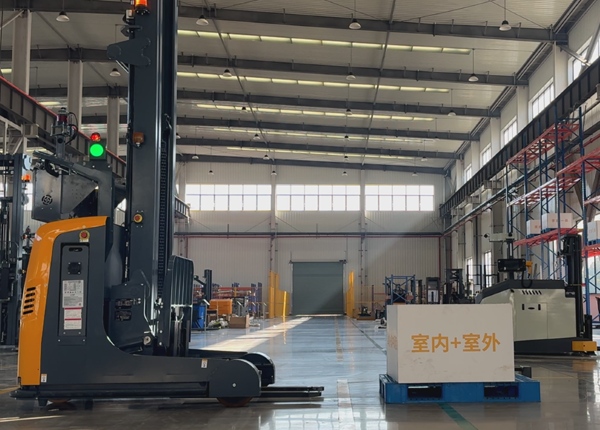
In high-throughput American logistics environments, field data indicates that modern Chinese AGV/AMR units deliver stable operational cycles that meet western industrial standards.
400 - 600
Hours
Average Field MTBF Range
Based on operational metrics from multi-shift distribution centers, an individual mobile unit typically runs between 400 to 600 hours before encountering a minor software fault or sensor misalignment that requires manual intervention.
The operational lifespan before an AGV experiences a primary hardware failure (such as a drive motor burn, steering gear malfunction, or major hydraulic leak) depends on warehouse maintenance habits.
**First Major Milestone:** Under typical material handling loads, the initial major structural or electromechanical breakdown generally occurs between **8,000 to 10,000 hours** of continuous deployment.
**Minor Component Lifecycle:** Standard consumable components—including polyurethane drive wheels, bumper strip switches, and basic proximity sensors—usually require routine maintenance adjustments or replacement cycles within the first 2,000 to 3,000 operating hours.
Reliability ratings fluctuate across vehicle categories due to mechanical complexity, load heights, and structural stress points.
Mechanical Complexity vs. Operational MTBF
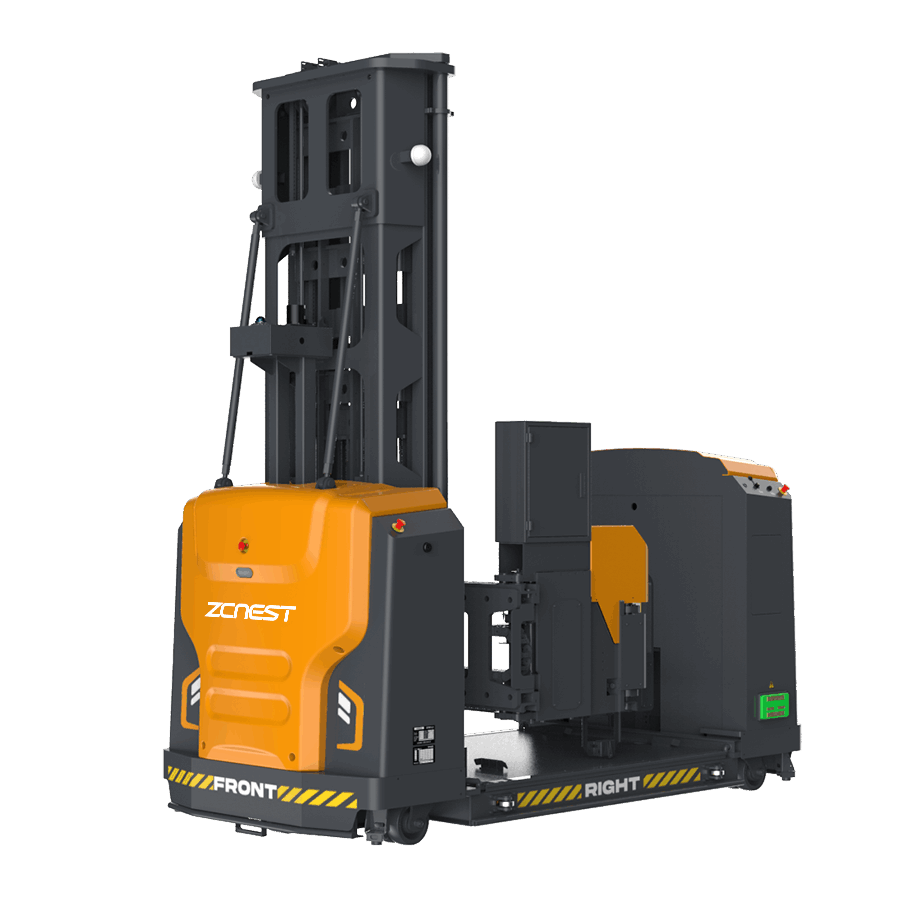
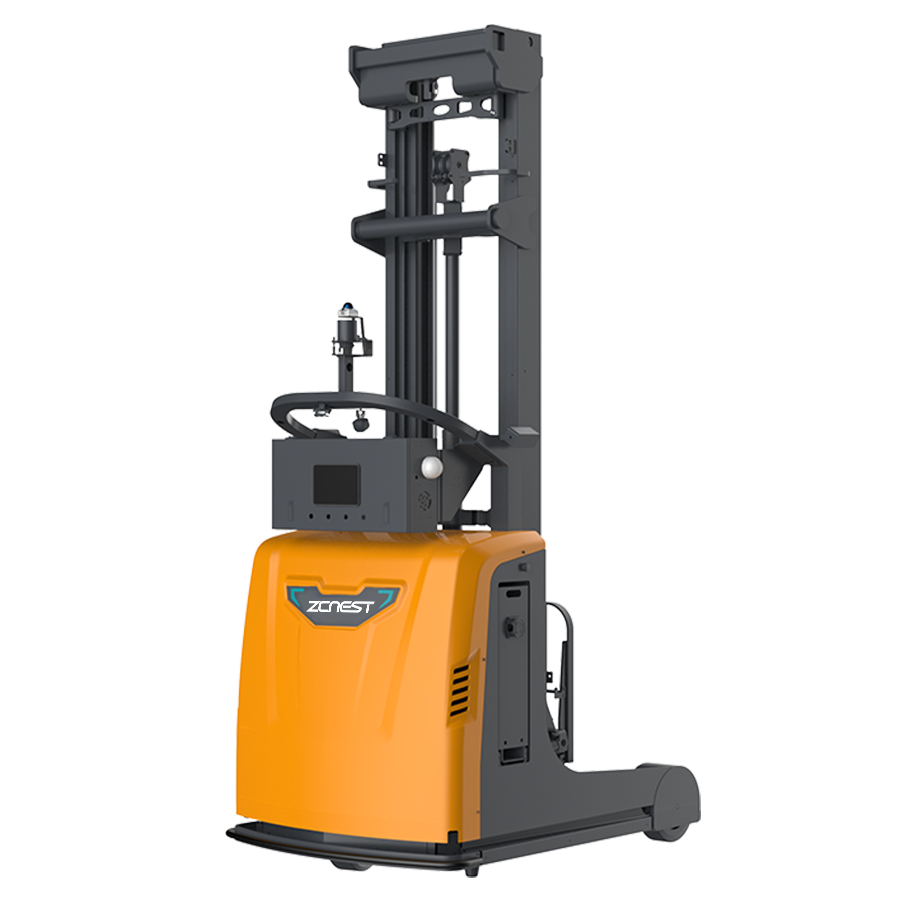
Automated Reach Trucks
Features an average MTBF of 350 to 450 hours. Moving masts, high-tier reach extensions (up to 11+ meters), and integrated tilt sensors introduce higher electromechanical strain, necessitating shorter preventative maintenance cycles.
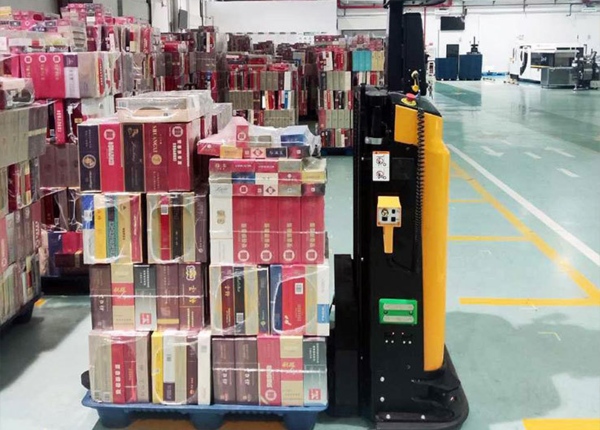
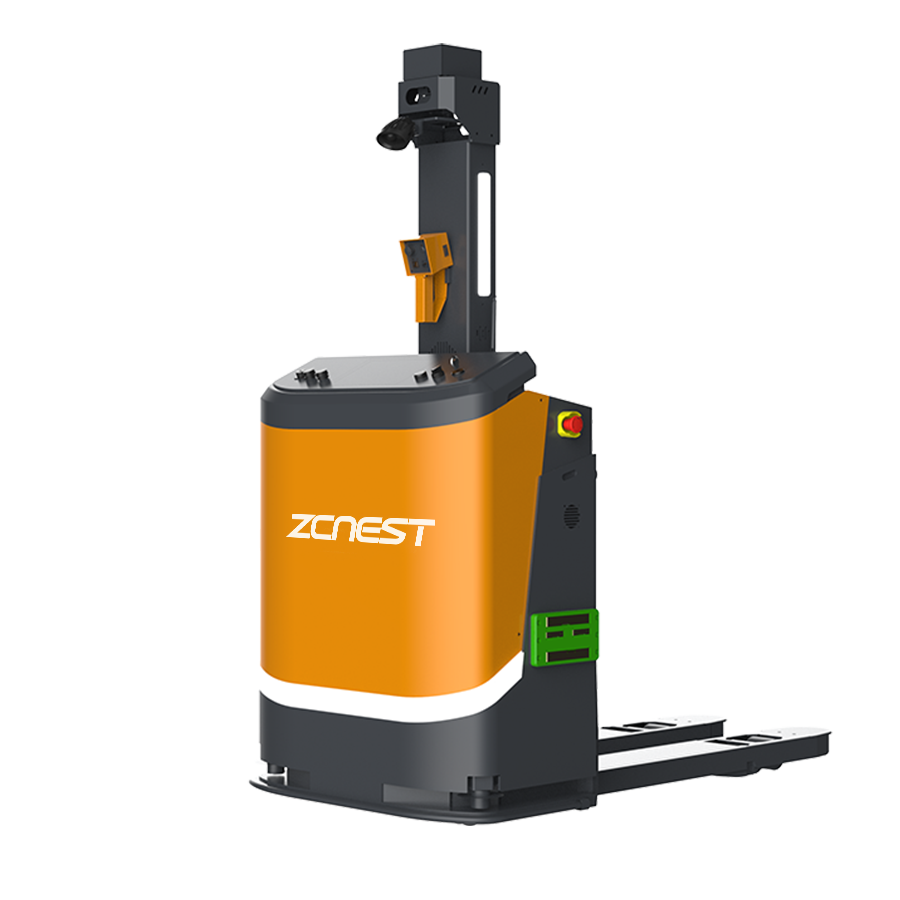
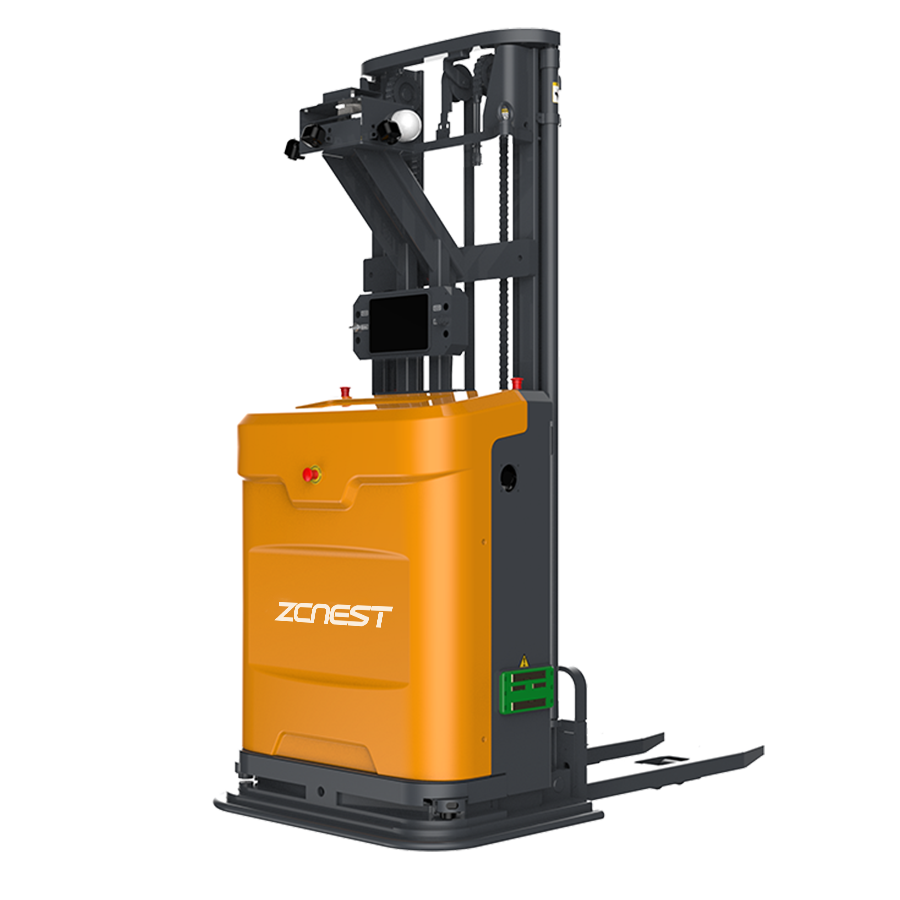
Automated Pallet Stackers
Features a higher average MTBF of 500 to 650 hours. Designed with a rigid mast setup and lower max lift heights, these units carry fewer dynamic components, lowering the risk of physical component failures.
Automotive assembly lines require highly secure manufacturing uptime, with zero tolerance for track stoppages.
Can I see a "Reliability Report" from an existing automotive customer?
Anonymized field deployment case studies from global automotive tier-1 suppliers can be provided upon request. These formal validation summaries outline performance metrics across multi-vehicle fleets, tracking steering repeatability, battery duty cycles, and laser scanner accuracy over 24-month operational windows.
When calculating return on investment, operational value is determined by the total uptime percentage of the entire coordinated system rather than individual units.
98.3%
Uptime Average
Fleet Availability Expectation (10 AGVs, 24/7 Operation)
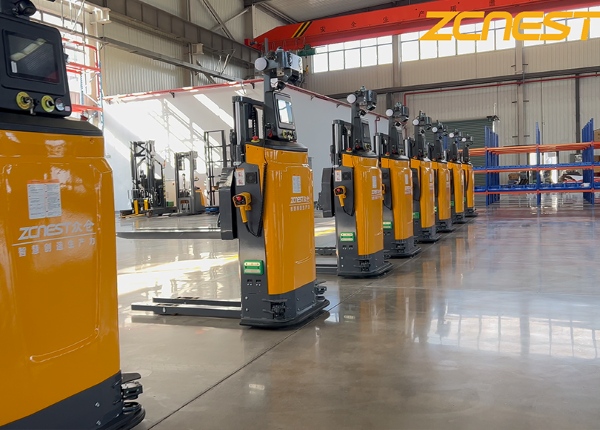
With automated charging, optimal fleet sizing, and a structured on-site spare parts kit, a 10-vehicle system consistently maintains a 95% to 98.5% total uptime rating. Scheduled preventive maintenance rotation ensures the fleet stays online without interrupting facility material handling flows.
📖 AGV Forklift Guide — Essential manual for selection and safety.
⚙️ How AGV Systems Work — A deep dive into navigation and logic.
⚖️ AGV vs. AMR Comparison — Choosing the right technology for your facility.
💰 AGV Cost and ROI — Evaluating investment and payback periods.
FREE ENGINEERING SUPPORT Stop Gambling on Generic Platforms. Get an AGV/AMR Tailored to Your Warehouse.Buying automated guided vehicles involves complex safety standards (CE/ANSI), navigation setups (Laser SLAM), and ERP system integration. Don't risk your factory safety with middle-men. ✓ 100% Direct Factory: Customized payload up to 5 Tons. ✓ Free CAD Simulation: Send us your layout, and our engineers will simulate the optimal AGV routes. ✓ Global Support: Overseas installation guidance & local maintenance partners. |





 Chinese
 English