


Determining the cost of warehouse automation requires looking beyond the sticker price. In 2026, a successful investment is measured by the Total Cost of Ownership (TCO). ZCNEST decodes the layers of investment required for a future-proof fleet.
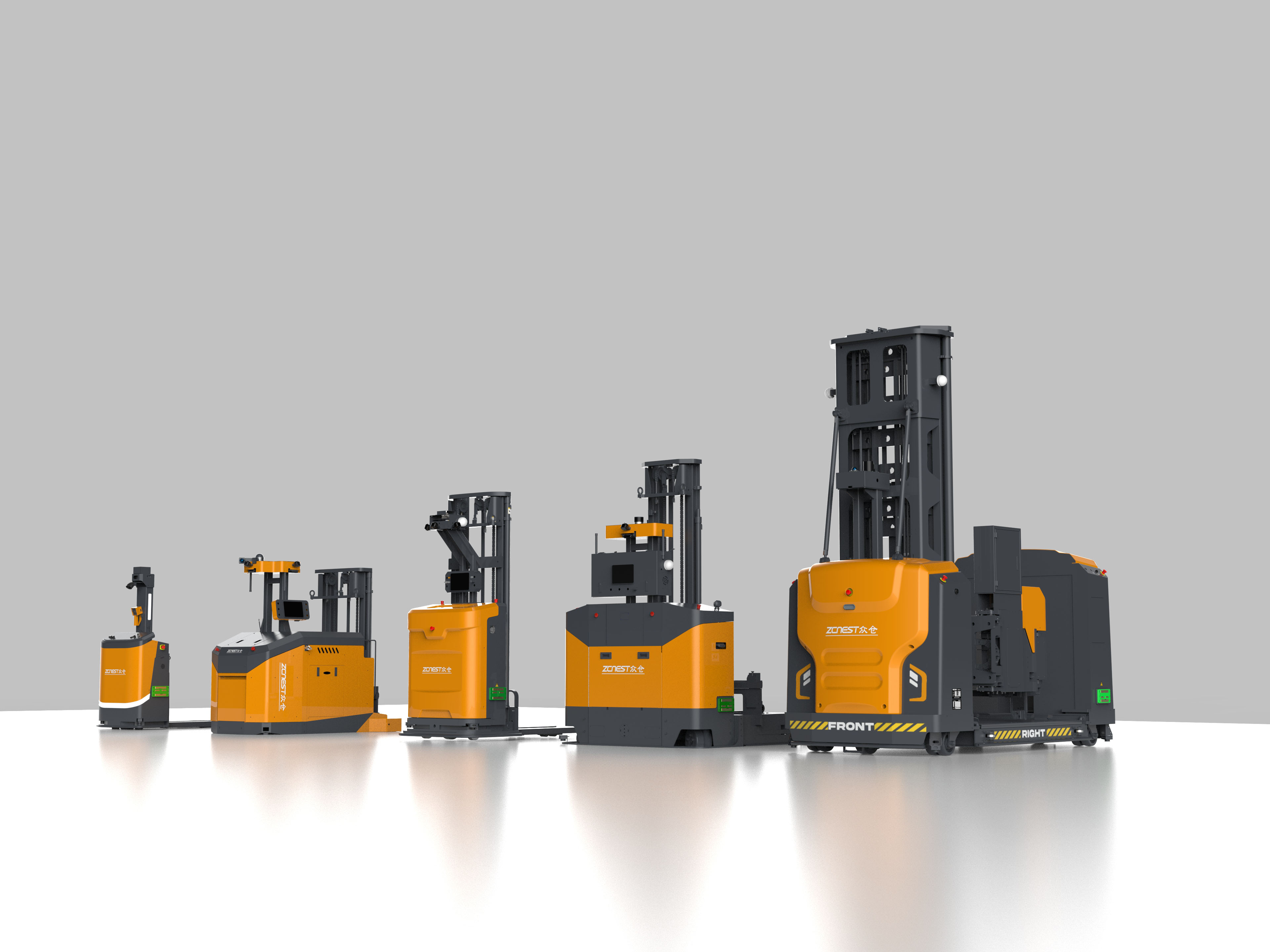
Entry-Level AGVs
Mid-Five Figures
Ideal for repetitive pallet hauling on fixed paths.
Mid-Range & AMR Hybrid
High-Five to Low-Six Figures
Advanced navigation for dynamic warehouse environments.
High-Reach / Specialized
Premium Six-Figure Investment
Specialized VNA or heavy-duty industrial solutions.
A hardware-only budget often leads to project stalling. Consider these critical variables:
• Software Systems: Fleet management and API licensing.
• Integration: Connecting robots to your existing WMS/ERP.
• Installation: Site preparation and traffic-flow mapping.
• Lifecycle Maintenance: Parts, updates, and technical support.
Target Payback Period:
1.5 – 2 Years
Achieved through significant labor optimization, near-zero product damage, and continuous 24/7 operational uptime.
Right-Size Your Tech
Don't over-spec. Use SLAM only where dynamic flexibility is required.
Optimize Layout First
Clean traffic lanes reduce sensor "fatigue" and processing downtime.
Scale in Phases
Start with a pilot fleet to prove ROI before full-scale deployment.
📖 AGV Forklift Guide — Essential manual for selection and safety.
⚙️ How AGV Systems Work — A deep dive into navigation and logic.
⚖️ AGV vs. AMR Comparison — Choosing the right technology for your facility.
💰 AGV Cost and ROI — Evaluating investment and payback periods.











 Chinese
 English




