


Integrating China-manufactured Automated Guided Vehicles (AGVs) into your warehouse or factory is an excellent way to balance high-tech automation with cost efficiency. While the hardware is world-class, the key to success lies in the software integration and local support framework.
Here is a breakdown of how to successfully integrate China AGVs into your operations.
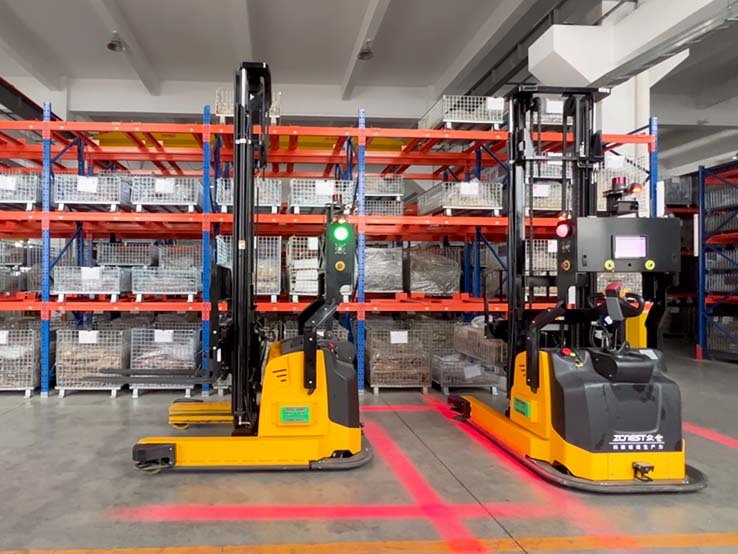
The short answer is yes, but it requires a middleware bridge. Most top-tier Chinese AGV manufacturers (such as Hikrobot, Geek+, or Quicktron) use an RCS (Robot Control System).
API Integration: The RCS typically connects to your Warehouse Management System (WMS) or ERP via standard API protocols (RESTful APIs, WebServices, or TCP/IP).
The Workflow: Your WMS sends a "Mission" (e.g., move Pallet A to Station B), and the AGV's RCS calculates the path, manages traffic, and executes the physical movement.
Compatibility: Before purchasing, ensure the manufacturer provides a clear API Document so your IT team can verify the handshake protocols.
While remote configuration is possible, a local or on-site engineer is highly recommended for the initial deployment.
Mapping and Calibration: AGVs rely on SLAM (Simultaneous Localization and Mapping) or QR code navigation. A physical engineer ensures the "map" matches your actual floor plan, accounting for pillars, slopes, or WiFi dead zones.
Safety Testing: Local engineers perform critical safety circuit tests and E-stop verifications that are difficult to do purely via webcam.
Hybrid Models: Many Chinese brands now partner with local system integrators in the US or Europe. This gives you the benefit of Chinese hardware pricing with the security of a technician who can drive to your site within 24 hours.
Post-installation support is usually handled through a multi-tier digital approach:
VPN/Remote Desktop: With your permission, engineers in China can log into the RCS server to diagnose software bugs, update firmware, or optimize traffic logic.
Real-time Monitoring: Most systems include a cloud-based dashboard where the manufacturer can see the "health" of each robot (battery cycles, motor heat, sensor errors) in real-time.
Video Assistance: For mechanical issues, support is often conducted via video calls (Zoom/Teams/WeChat) where your local maintenance team is guided through part replacements.
Yes, but you must make this a contractual requirement.
Standard Documentation: Most international-facing Chinese AGV companies provide English manuals for operation and basic troubleshooting.
The "Translation Gap": Be aware that some manuals may use "Chinglish" or technical jargon that is slightly confusing. It is best to request a sample manual during the RFP (Request for Proposal) stage to judge the quality.
Training Materials: Beyond just a PDF manual, ask if they provide English-narrated video tutorials or an English UI for the handheld maintenance tablets.




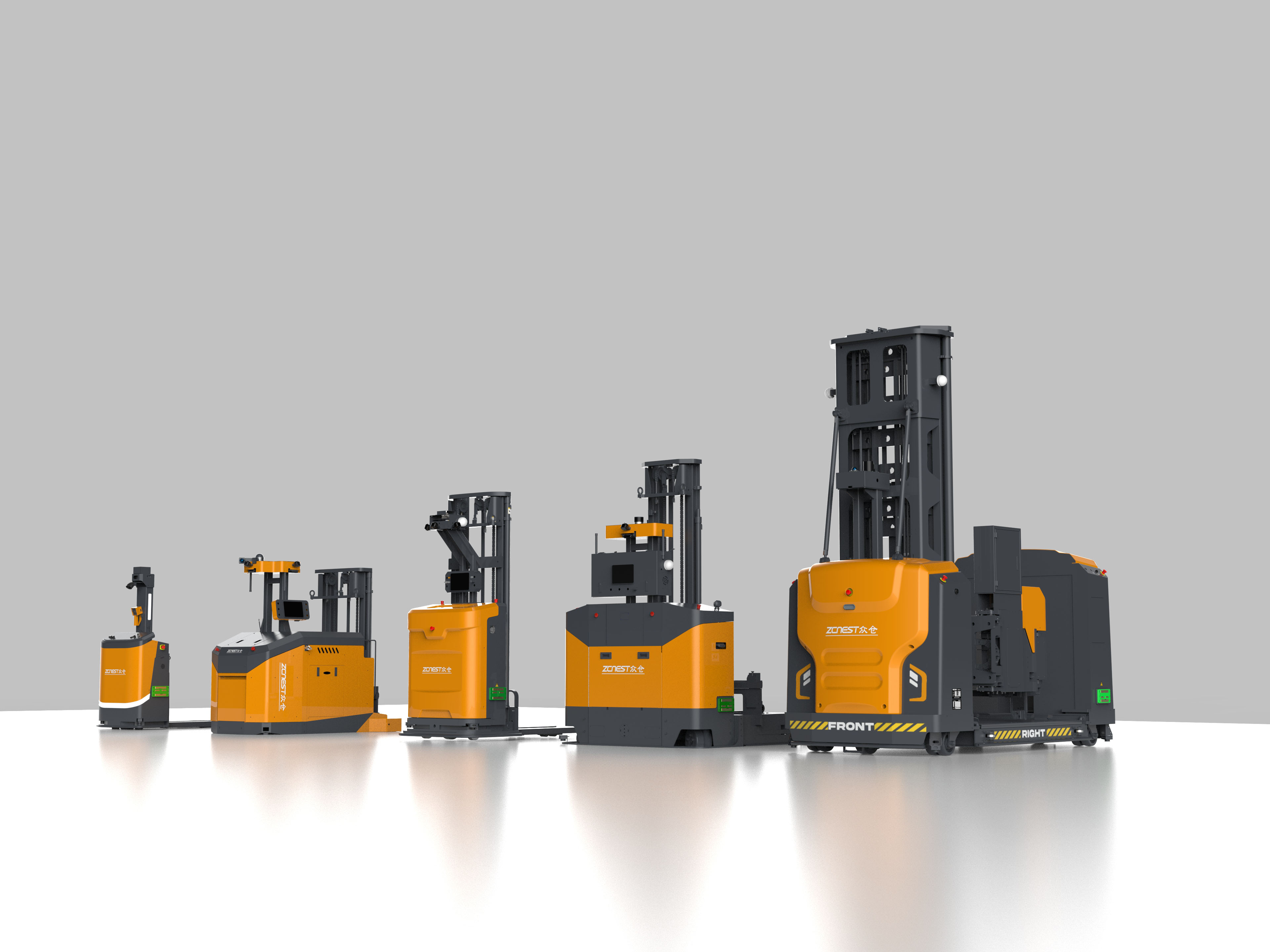
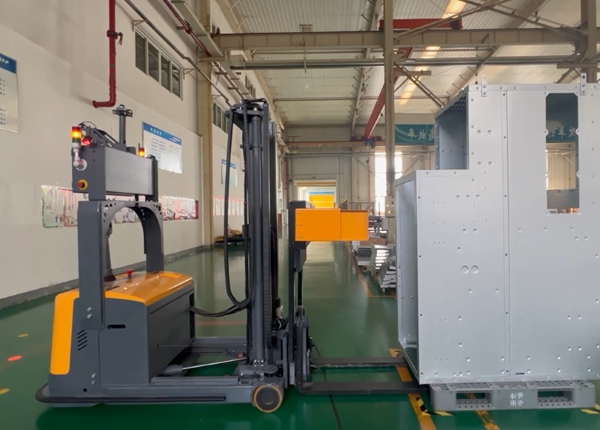
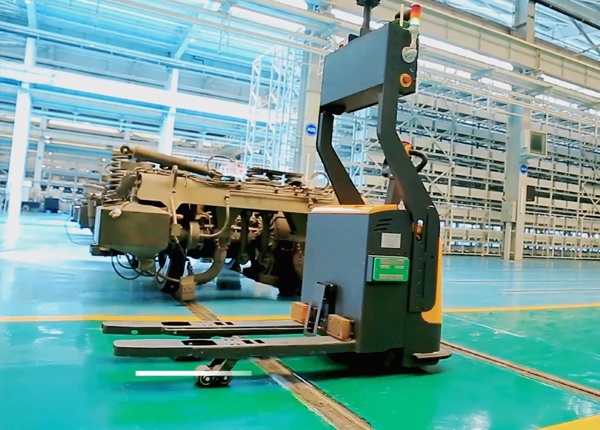

 Chinese
 English