


Here is the professional English translation of your guide regarding the shipping risks, packaging, lead times, and Incoterms for importing AGVs from China.
Since AGVs are high-value industrial assets containing precision electronics and batteries, maritime packaging must be moisture-proof, shock-proof, and corrosion-resistant.
Inner Protection (Vacuum Packaging): Units are sealed in anti-static aluminum foil bags or plastic films using vacuum sealing. Large amounts of desiccant are placed inside to prevent high humidity and salt spray from corroding precision sensors (such as LiDAR) and circuit boards.
Middle Buffering: The AGV body is surrounded by foam plastic, EPE (Expandable Polyethylene), or bubble wrap to protect the exterior from scratches and to secure any loose internal components.
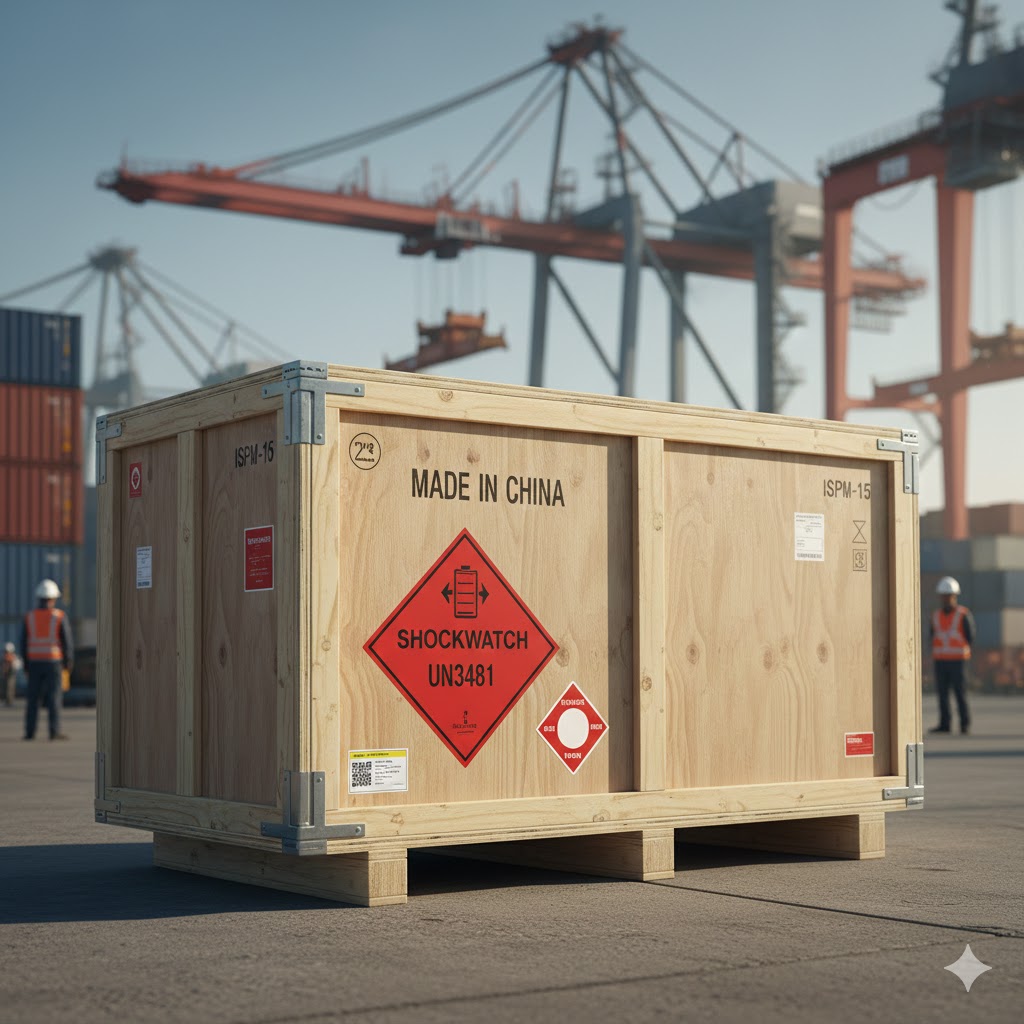
Outer Reinforcement (Export Standard Crates): Manufacturers must use fumigated plywood boxes (ISPM15 standard). The interior base usually features sliders or bolt-fixing slots to secure the AGV chassis to a wooden pallet, preventing shifting inside the container.
Special Battery Handling: Lithium batteries must comply with IMDG (International Maritime Dangerous Goods) codes. Usually, the state of charge (SoC) must be reduced below 30%, and the package must bear Class 9 Hazard labels.
The lead time for Chinese AGV manufacturers depends on the level of standardization:
Standard Models (e.g., small lurking AGVs): For mature, standardized products, the lead time is typically 4–6 weeks.
Customized Systems (e.g., heavy-duty AGVs or AMRs with robotic arms): Involving non-standard design, sensor selection, and software debugging, the lead time is generally 3–5 months.
Bulk Orders: For purchases of dozens or hundreds of units, delivery may be done in batches, with the first batch usually dispatched around 2 months.
Influencing Factors: The global supply chain status of core components like LiDAR (e.g., SICK, Velodyne) will also affect the final delivery date.
This is the most sensitive risk point. The standard procedure is as follows:
Immediate Evidence Collection: Upon receiving (unloading), if the outer packaging is found damaged, you must note "Damaged" on the Proof of Delivery (POD) and immediately take photos and videos as evidence.
Allocation of Liability: This is determined by the chosen Incoterms:
If CIF: The exporter is responsible for purchasing insurance. You should contact the freight forwarder or the insurance company to report the claim for survey and assessment.
If FOB: You purchased the insurance yourself, so you report the claim directly to your insurance provider.
Repair and Replacement: Precision equipment like AGVs is rarely returned to China in full due to extremely high freight costs. The standard practice is remote diagnosis by the manufacturer, followed by courier delivery of spare parts and guided on-site replacement. If the core frame is damaged, the manufacturer may need to send technicians abroad for repairs.
For high-value industrial equipment, choices should be based on the buyer's experience:
Most Recommended: FOB (Free On Board)
Reason: The manufacturer handles Chinese inland transportation and export customs clearance, while you handle the sea freight. This allows you to choose your own freight forwarder, better control shipping costs and destination services (unloading, door delivery), and purchase high-quality cargo insurance through your own provider.
Best for Beginners: CIF (Cost, Insurance, and Freight)
Reason: The manufacturer handles both transport and insurance. It is suitable for buyers who do not want to manage complex logistics. Note: Manufacturers often only purchase "minimum cover" insurance, and cross-border claim communication can be slow.
Most Hassle-free: DDP (Delivered Duty Paid)
Reason: The manufacturer delivers to your factory door and pays all duties/taxes. It is ideal for customers with no import experience who want a "one-stop" solution.
Not Recommended: EXW (Ex Works)
Reason: This requires the buyer to pick up goods from the factory and handle Chinese export customs. For products like AGVs involving tax rebates and complex packaging, it is safer to let the manufacturer handle export formalities (FOB).
Summary Advice: It is recommended to use FOB terms and require the manufacturer to include ShockWatch/TiltWatch labels on the packaging. This allows you to determine if the equipment experienced severe impact immediately upon unloading.





 Chinese
 English