


Scaling an Automated Guided Vehicle (AGV) fleet in China’s fast-paced manufacturing and logistics landscape is a strategic move, but it’s rarely as simple as "plug and play." Between local hardware standards and the complexity of fleet management software, there are several layers to consider.
Here is a comprehensive guide on how to scale your China AGV fleet effectively.
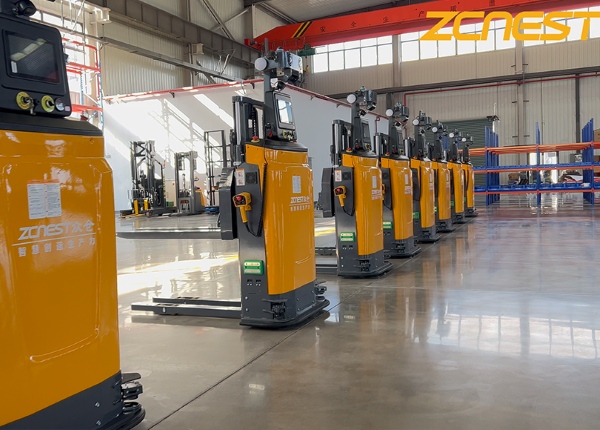
As your operations expand, your internal logistics must keep pace. Scaling from a pilot program of 5 units to a massive fleet of 50+ requires more than just buying more robots; it requires a robust digital architecture.
In theory, yes. In practice, it depends on your Navigation Method and Network Infrastructure.
QR Code/Magnetic Tape: These are relatively easy to scale but require physical floor modifications.
SLAM (Simultaneous Localization and Mapping): Adding units is digitally simpler as they share a "map," but you must ensure your Wi-Fi or 5G coverage is seamless across the entire facility to prevent "zombie" bots.
The China Factor: Many Chinese vendors (like Hikrobot, Geek+, or Quicktron) offer highly modular systems designed for rapid deployment. However, you must ensure your server's CPU and RAM are provisioned to handle the increased data traffic.
The Short Answer: Yes, but you need a "Traffic Cop."
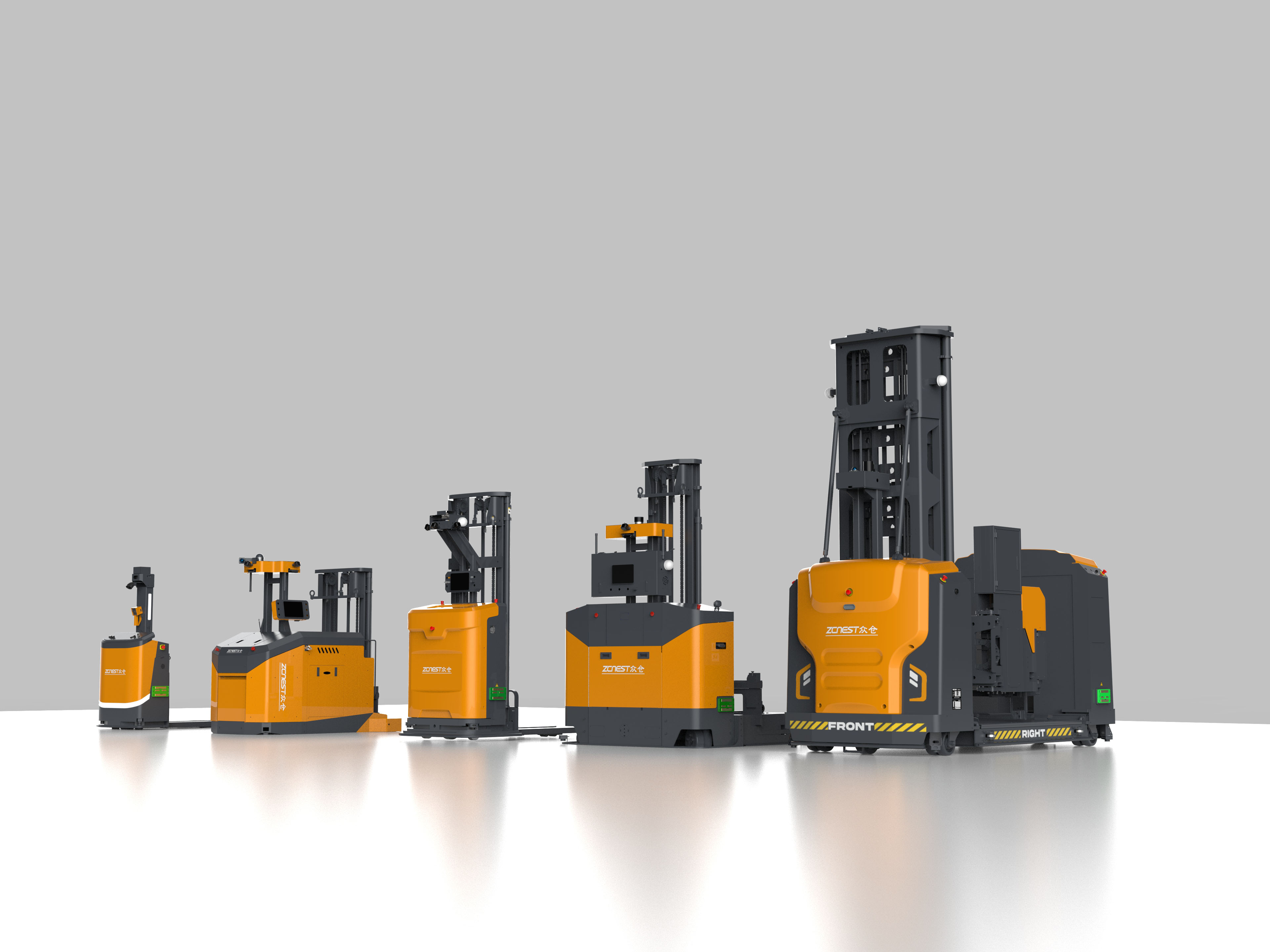
Mixing a forklift AGV with a small sorting robot is common, but they often speak different "languages." To make them work together, you generally have two paths:
Proprietary Unified Systems: Using one vendor for all types (e.g., all Hikrobot units) ensures native compatibility.
VDA 5050 Standard: This is the "gold standard" for interoperability. If your AGVs and your Master Control System (MCS) are VDA 5050 compliant, you can mix brands and types under one management layer.
Managing a fleet of 50+ units is less about the robots and more about Traffic Management and Path Planning.
RCS (Robot Control System): At this scale, the RCS must handle dynamic path planning. It prevents "deadlocks" (where two robots face each other and neither can move) by predicting congestion before it happens.
Fleet Health Monitoring: You’ll need a dashboard that tracks battery levels, maintenance cycles, and "uptime" percentages.
Task Grouping: Large fleets are often broken into sub-zones to reduce the computational load on the central server.
This is the biggest "gotcha" in scaling.
Backward Compatibility: Most top-tier Chinese AGV manufacturers ensure their new software versions support older hardware (up to a point). However, older units may lack the sensors required for the newest safety features or high-speed maneuvers.
Firmware Alignment: You will likely need to perform a firmware sync across the fleet. If the old units use different communication protocols (e.g., an older version of Open-Source ROS vs. a newer proprietary one), integration will require custom API bridging.
| Feature | Small Fleet (1-10) | Large Fleet (50+) |
| Network | Basic Wi-Fi | Industrial 5G or Mesh Wi-Fi |
| Server | Local PC | Cloud-based or Edge Computing |
| Safety | Basic Laser Obstacle Avoidance | 360° AI-driven Vision + Safety PLC |
| Maintenance | On-call | Predictive (IoT-based) |
To scale successfully, you must prioritize software over hardware. Ensure your Warehouse Management System (WMS) is ready to push high-frequency tasks to the RCS, and always verify that your facility's "digital map" is updated in real-time as you add more units.











 Chinese
 English




