


For warehouse managers considering automation, "autonomous forklift cost" is a multi-dimensional topic. While initial procurement expenses are typically higher than traditional manual equipment, automation demonstrates high economic efficiency when analyzing the long-term Total Cost of Ownership (TCO).
In today's global market, understanding the cost structure and the logic behind investment returns is more critical for making scientific business decisions than focusing solely on price figures.
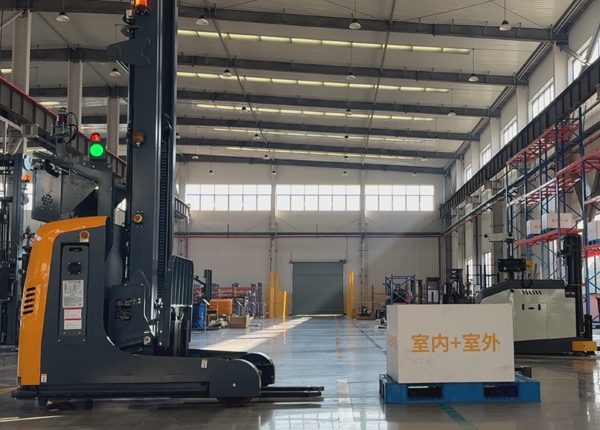
The investment for an autonomous forklift is not fixed; it is primarily influenced by the following core factors:
Equipment Specifications: The higher the lift height and the larger the rated load capacity, the greater the requirements for hardware structure, motor power, and counterbalance weights.
Navigation Technology: Devices utilizing Laser SLAM or 3D SLAM technology do not require changes to the warehouse floor structure. While the initial investment is relatively higher, they offer significantly greater deployment flexibility.
Safety Protection Levels: A comprehensive protection plan equipped with multi-level LiDAR, safety bumpers, sound/light alarms, and emergency braking systems will adjust the cost accordingly.
Customized Attachments: Specialized tools (such as fork positioners or rotators) or special modifications for cold storage and explosion-proof environments.
System Integration
The costs for software development and debugging required to interface the unmanned forklift with your existing WMS or ERP systems.
Environment Optimization
Includes strengthening Wi-Fi network coverage, power installation for auto-charging stations, and minor adjustments to floor flatness.
Maintenance & Updates
Regular hardware maintenance inspections and ongoing iterative upgrade services for navigation algorithms and scheduling systems.
Staff Training
Training existing warehouse employees on how to safely collaborate with the automated fleet and perform simple daily maintenance.
Q: Can companies opt for installment payments or leasing?
A: Yes. "Robot as a Service" (RaaS) or financial leasing models are popular, allowing companies to convert large one-time capital expenditures into monthly or quarterly operational expenses.
Q: How do I evaluate if an autonomous forklift is "worth it"?
A: Primarily by benchmarking against labor costs. Autonomous forklifts can achieve multi-shift operations, significantly reducing labor fees, insurance, and cargo damage compensation caused by human error.
Q: Does a complex environment significantly increase costs?
A: The more complex the environment, the higher the demands on algorithms and sensors. However, devices with advanced SLAM technology adapt well to changing environments without the need for expensive site modifications.
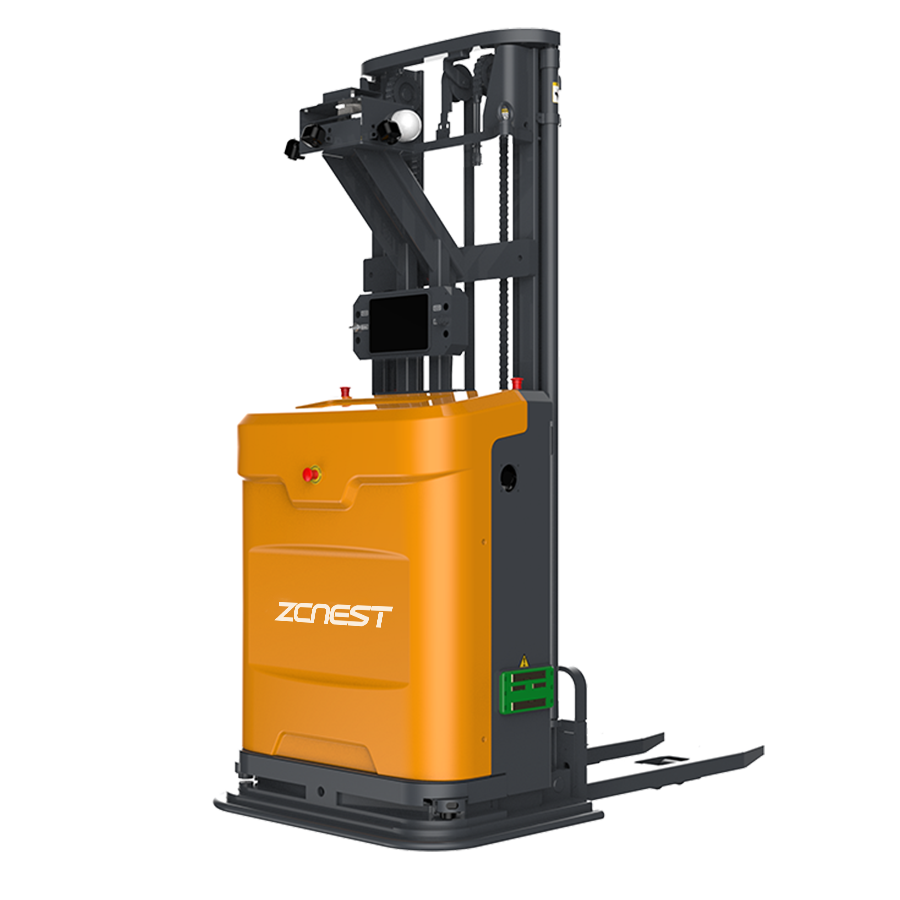
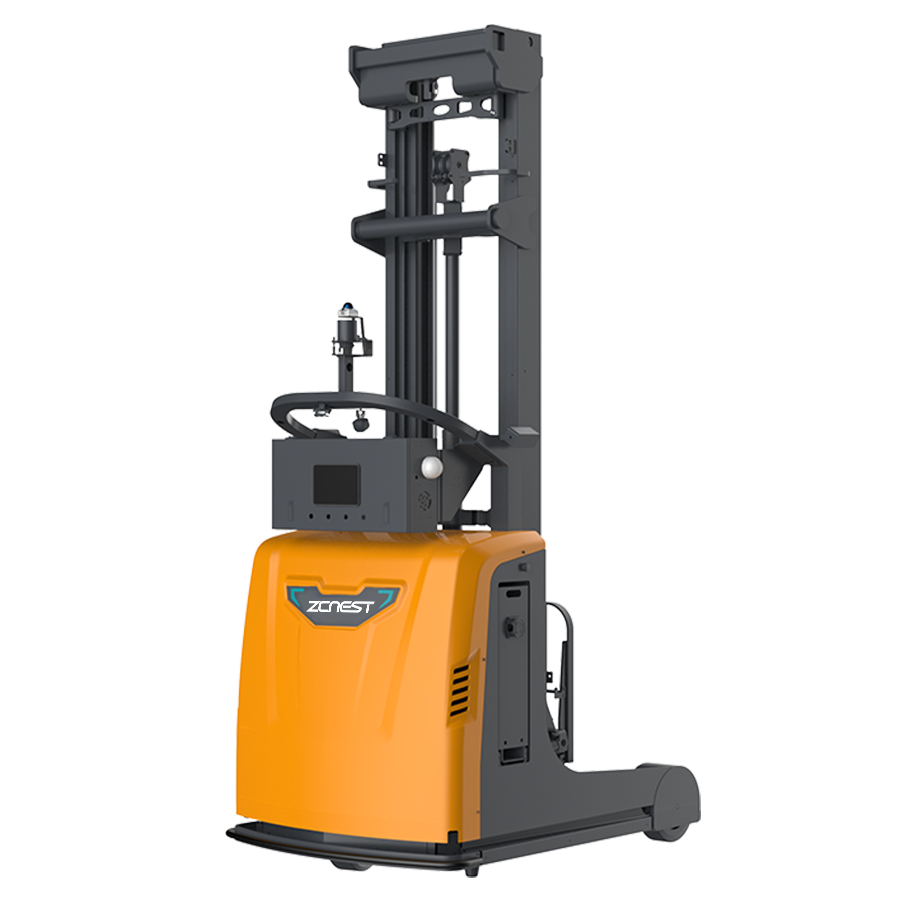
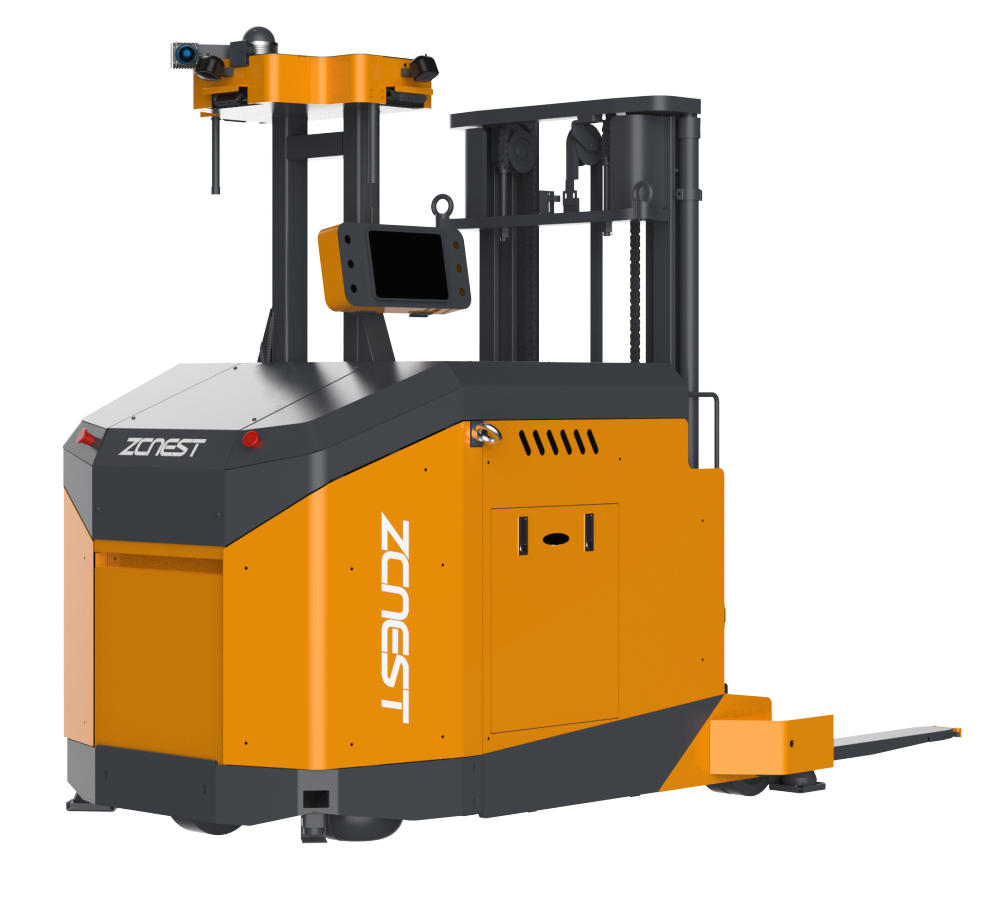
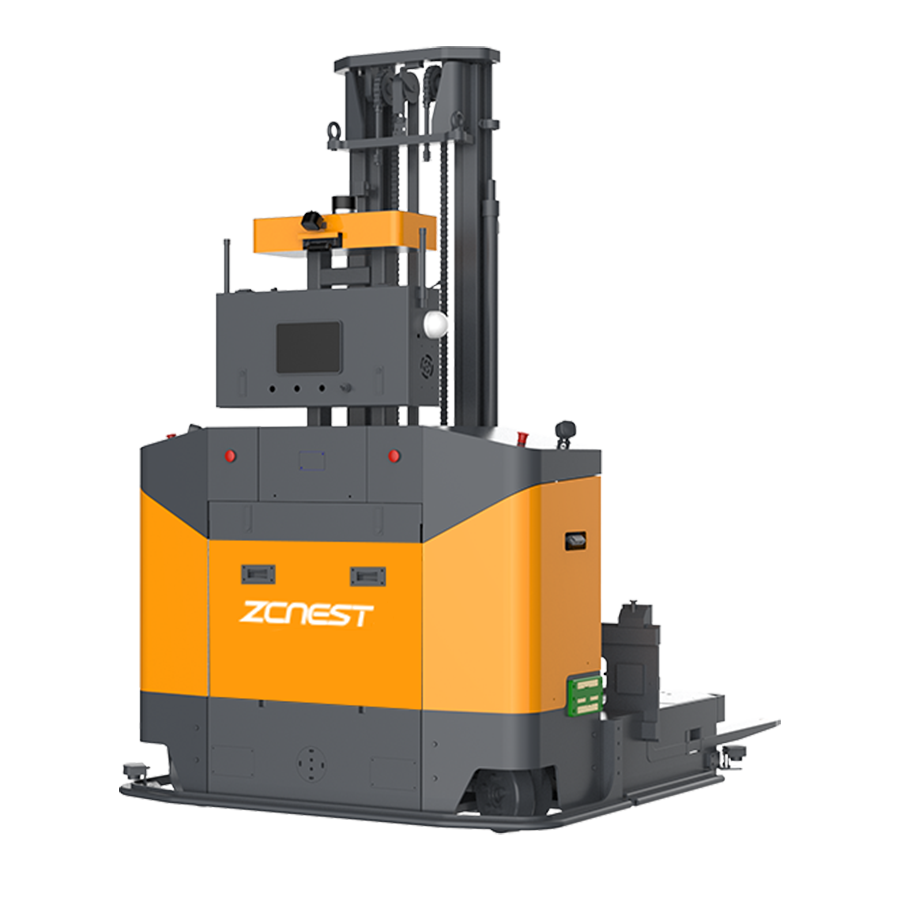
ZCNEST, headquartered in Nanjing, China, is a leading provider of cost-effective unmanned handling solutions. By optimizing our internal supply chain and insisting on self-developed core algorithms, we offer highly competitive automation solutions to global customers.
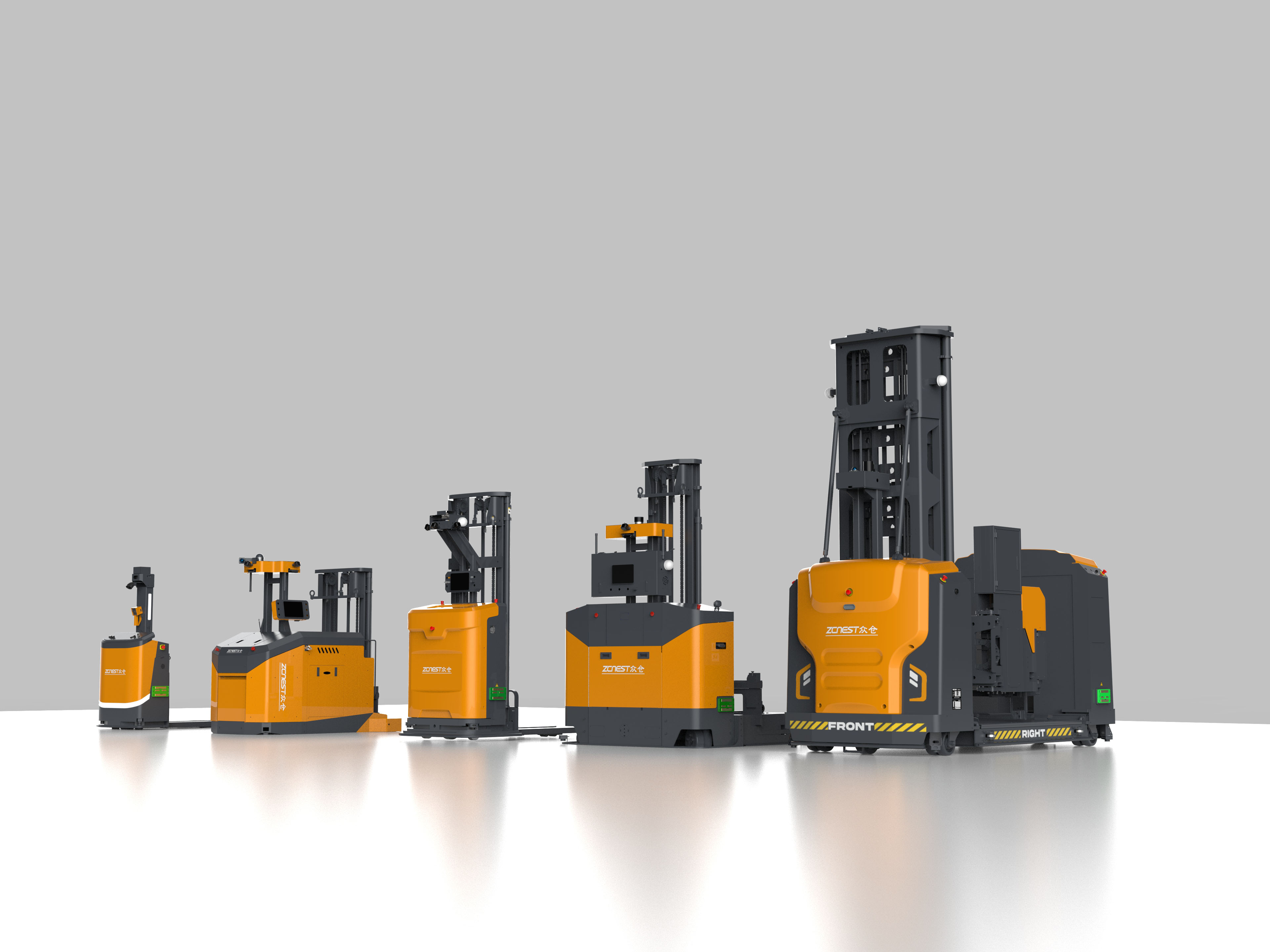
Regardless of your budget, ZCNest provides a flexible product line ranging from standard transport to high-reach stacking. We are committed to lowering the threshold for automation through stable, reliable, and easy-to-integrate technology, helping every B2B partner achieve a leap in logistics efficiency.





 Chinese
 English