
 Chinese
 English

The Versatile Autonomous Robot: Navigating the Dynamic Warehouse
Static paths are a thing of the past. Discover how the autonomous robot uses dynamic path planning to navigate around obstacles and people in real-time.
What Defines an Autonomous Robot?
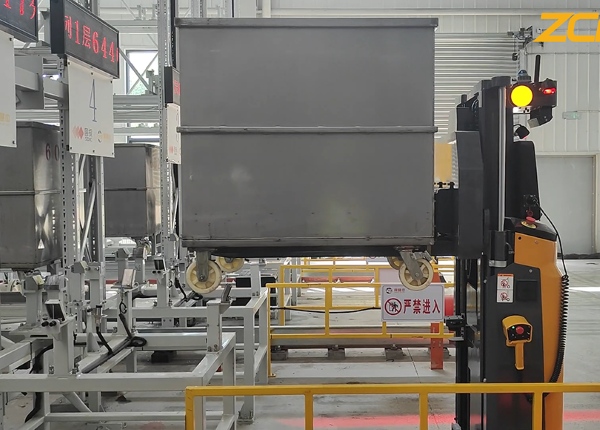
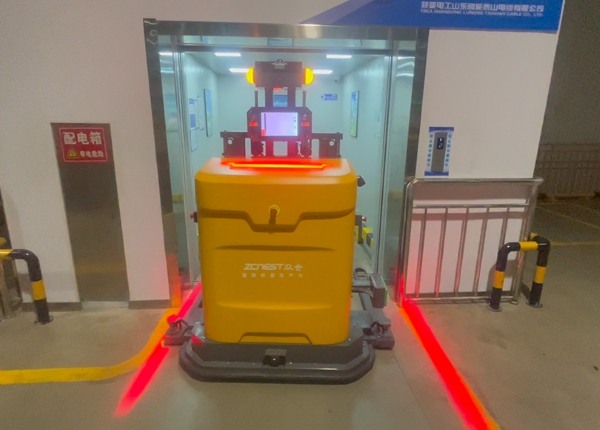
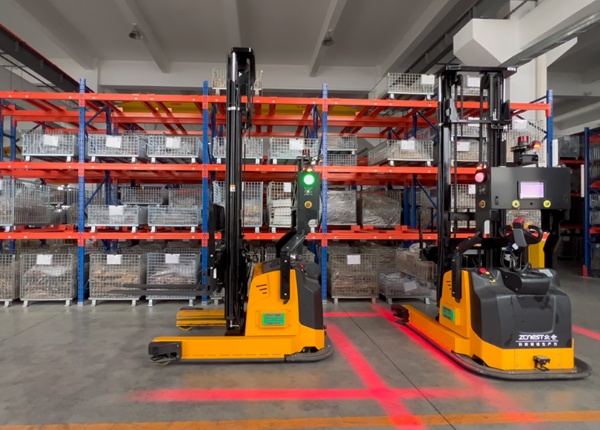
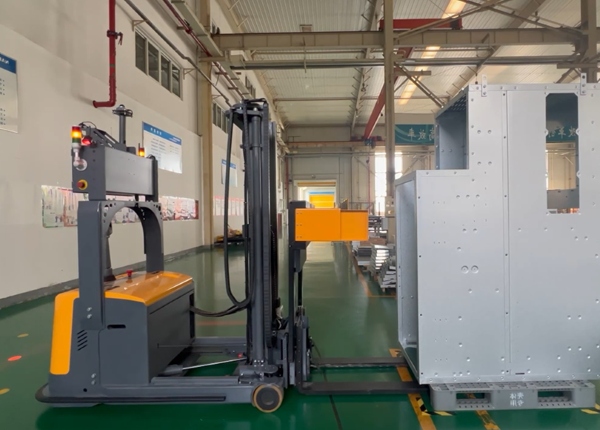
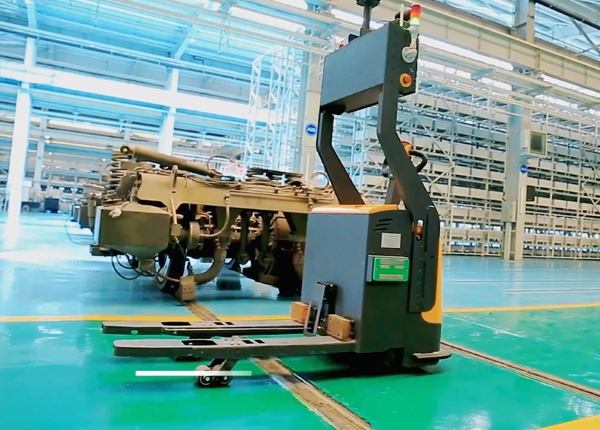
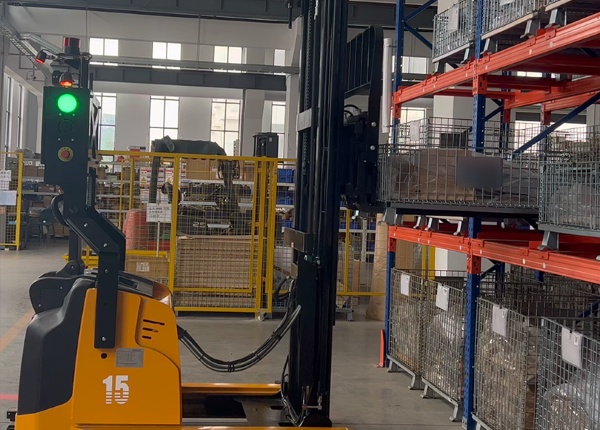
While an AGV might stop when it encounters a box in the aisle, an autonomous robot (or AMR) will "think." It evaluates the obstacle, checks the surrounding space, and calculates a detour. This capability makes them ideal for facilities where human traffic and equipment movement are constant and unpredictable.
Human-Robot Collaboration (Cobotics)
One of the most exciting trends is the use of an autonomous robot as a collaborative partner. In "Follow-Me" applications, the robot stays close to a human picker, carrying the heavy loads so the worker can focus on picking accuracy. This reduces physical fatigue and increases picking rates by up to 200%.
Ready for a truly flexible workforce? Our autonomous robot solutions require zero floor modifications—no magnets, no wires, no hassle.
Book a Live Virtual Demo.
Rapid Deployment and Scalability
Because an autonomous robot doesn't require floor infrastructure (like magnetic tape), deployment is incredibly fast. Most systems can be mapped and operational within 48 to 72 hours, providing an immediate solution to seasonal demand spikes.