
 Chinese
 English

Autonomous Systems Robotics: The New Standard for Industry 4.0
Explore the intersection of AI and mechanical engineering. Autonomous systems robotics is the driving force behind the world's most resilient and flexible factories.
The Shift from Automation to Autonomy
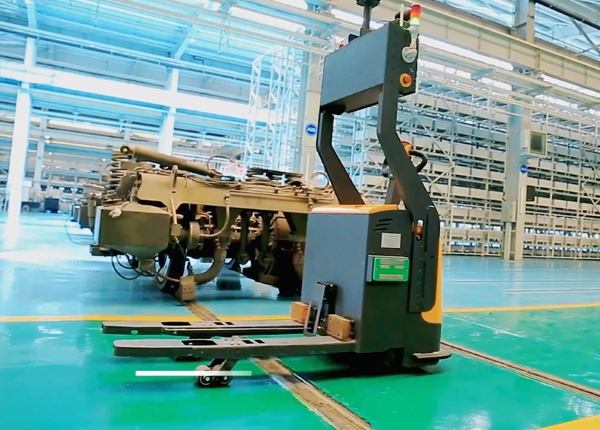
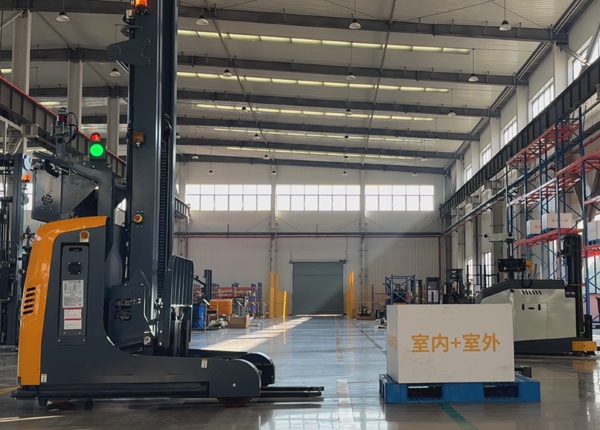
Traditional "automation" follows pre-programmed rules. Autonomous systems robotics, however, utilizes artificial intelligence to handle "unstructured" environments. This means the robot doesn't just follow a line—it understands its surroundings.
Core Technologies Driving Autonomy:
SLAM (Simultaneous Localization and Mapping): Allowing robots to build a map of an unknown area and locate themselves within it.
Edge Computing: Processing sensor data locally on the robot to ensure sub-millisecond response times.
5G Connectivity: Enabling massive fleets of autonomous systems robotics to share data instantly.
Why Flexibility is the New Competitive Advantage
In the past, changing a factory layout meant weeks of re-wiring. With autonomous systems robotics, you simply update the digital map. This flexibility allows manufacturers to switch between different product lines in hours rather than months.
Lead the Industry 4.0 Revolution. Our consultants specialize in autonomous systems robotics deployment for complex logistics hubs.
Download our Whitepaper on Future Robotics.