


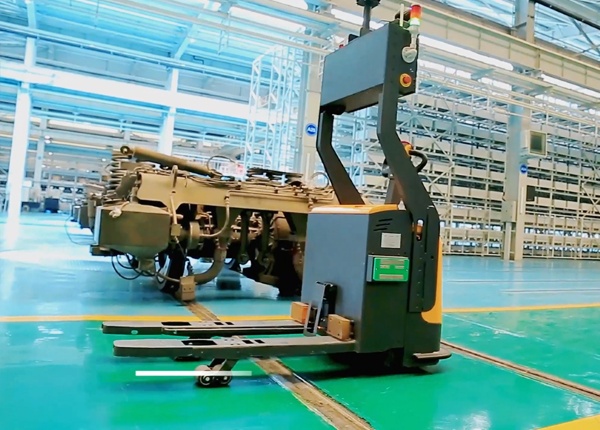
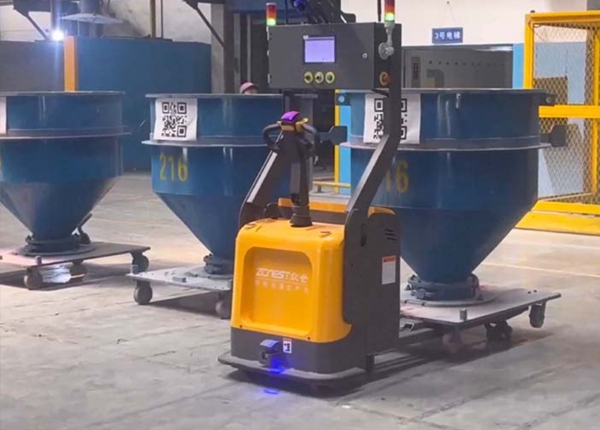
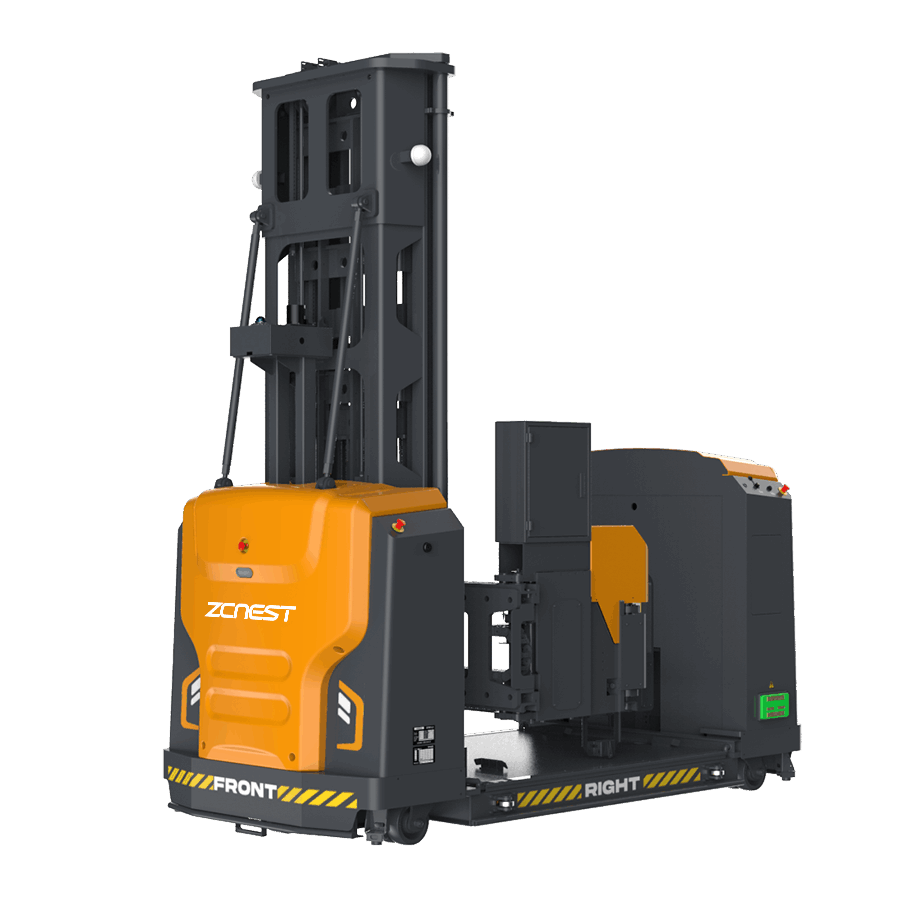
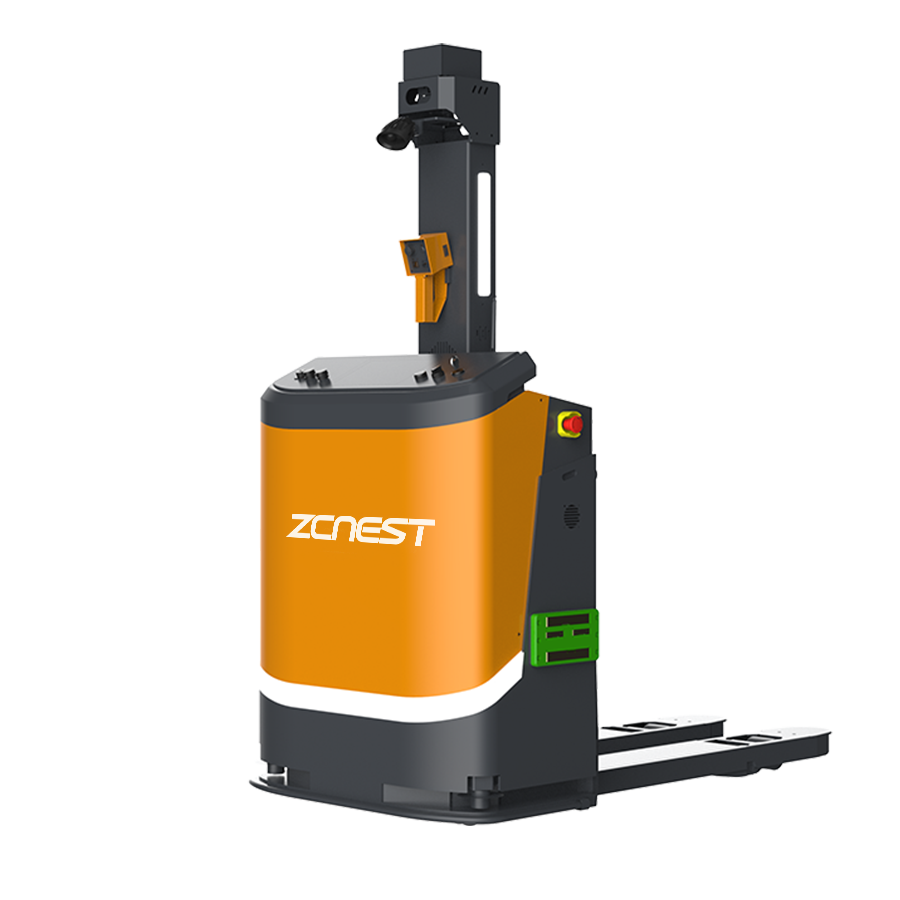
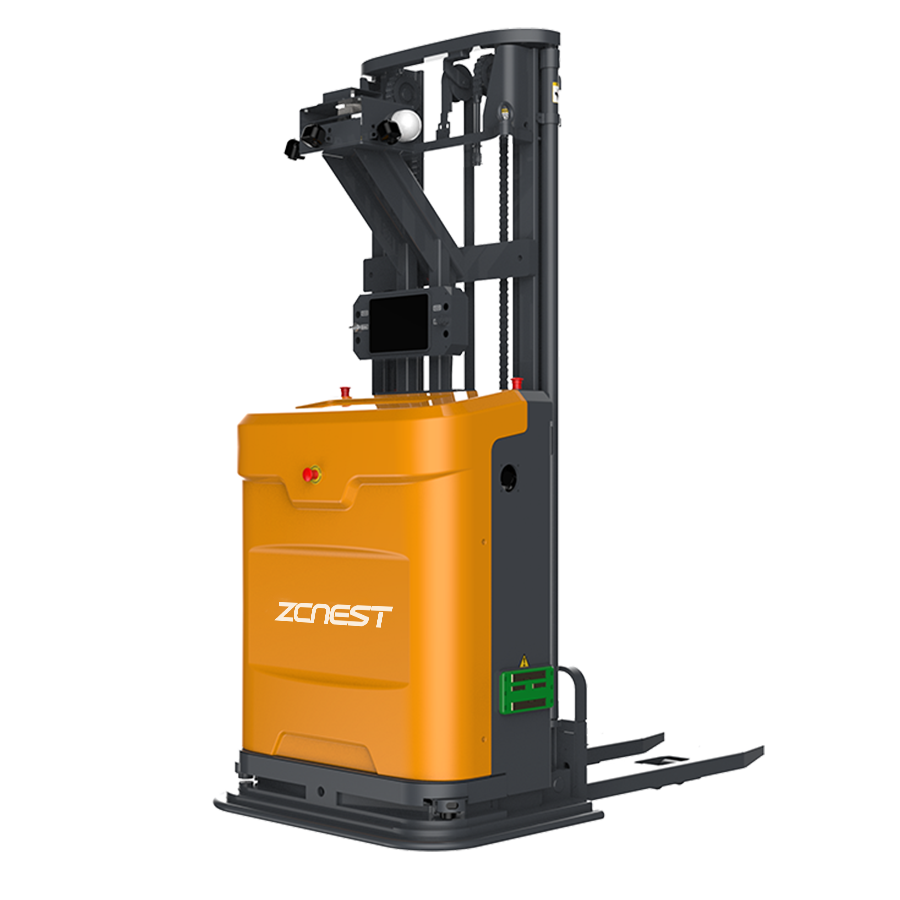
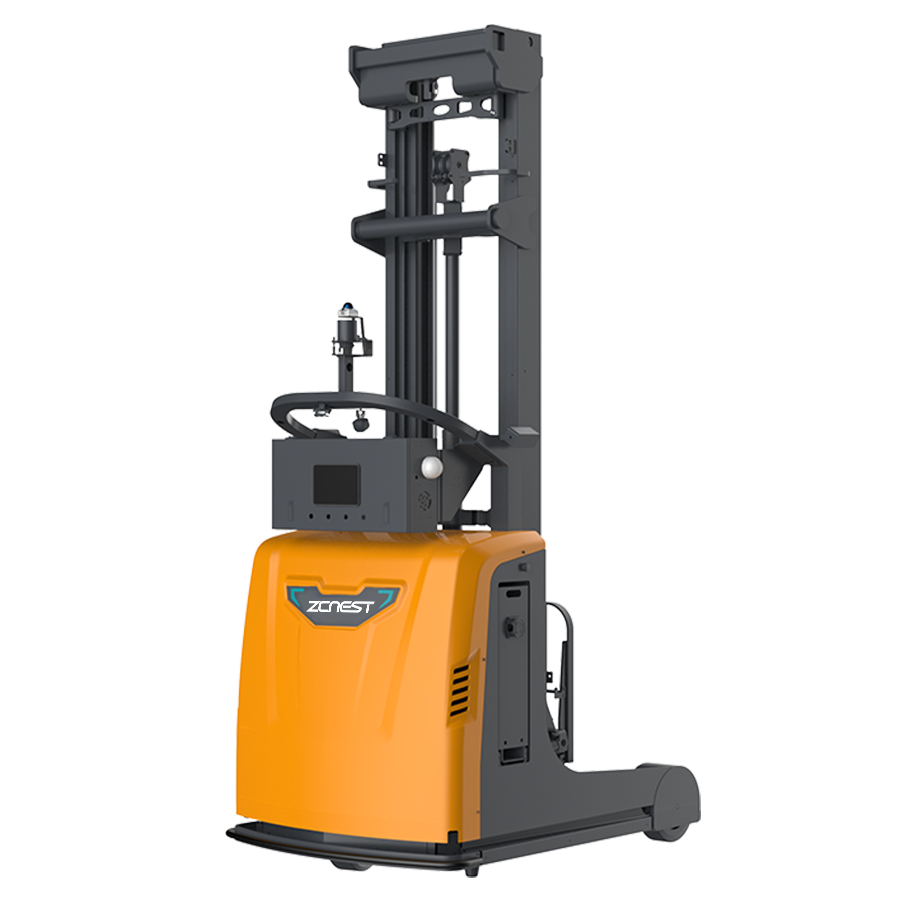
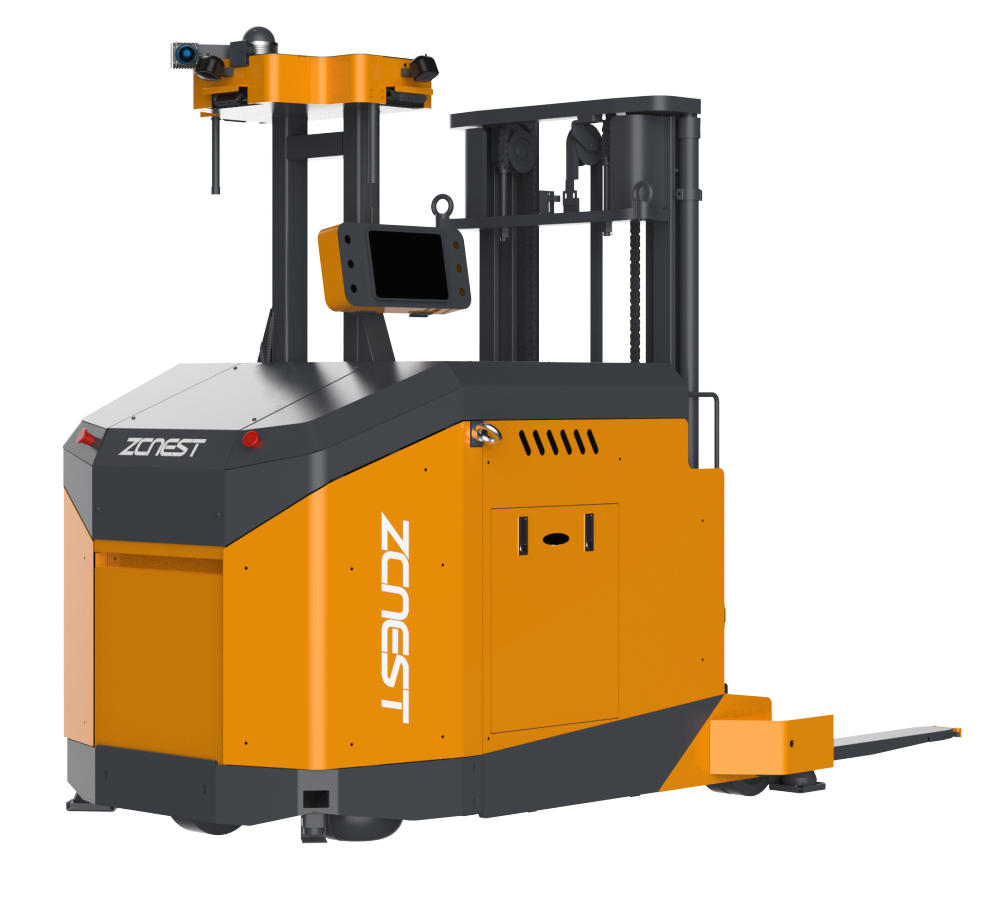
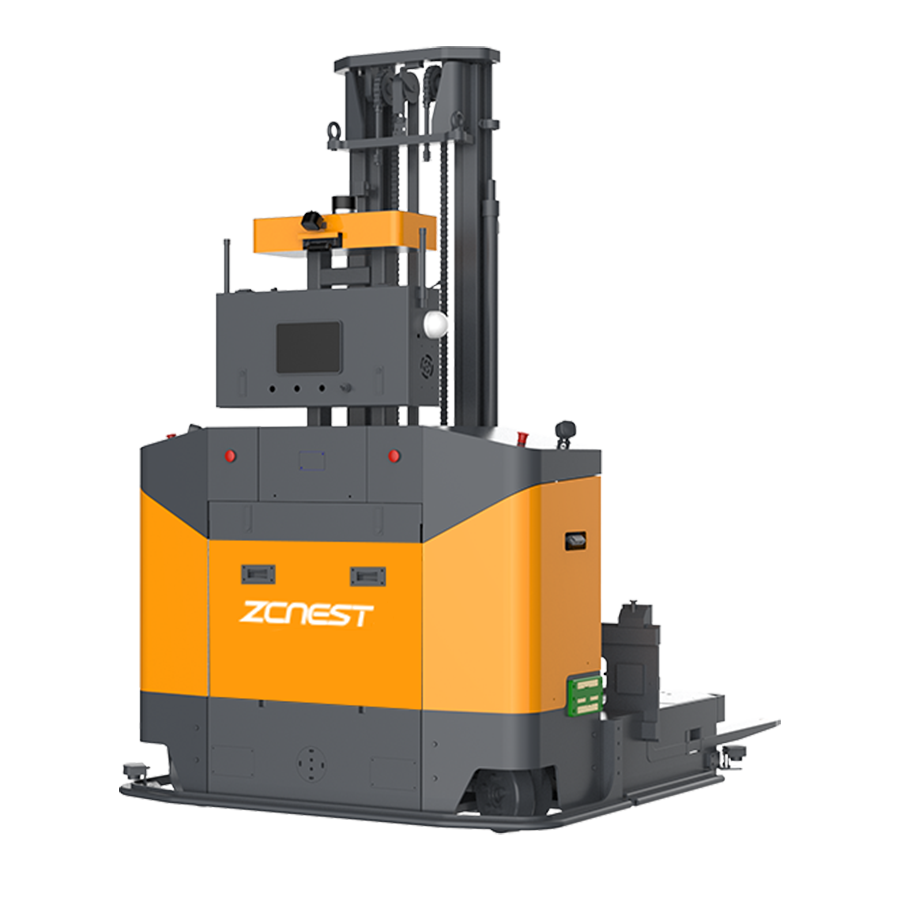
Among the most impactful innovations in 2026 is the AMR Forklift Robot—an autonomous vehicle capable of transporting pallets without human intervention. Unlike traditional automated guided vehicles (AGVs), AMR forklifts rely on intelligent navigation systems that allow them to dynamically adjust routes within complex warehouse environments.
As distribution centers face increasing pressure from e-commerce demand, companies are adopting AMR forklifts to enhance throughput, reduce labor dependency, and maintain operational continuity.
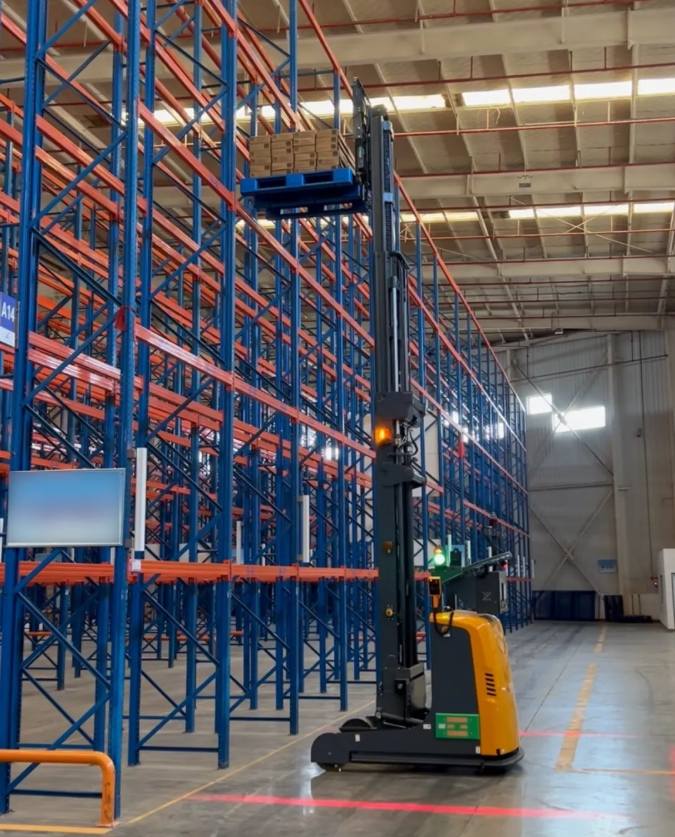
An AMR forklift is an autonomous mobile robot designed to perform pallet handling tasks. It integrates sensors, mapping algorithms, and onboard computing to navigate warehouse floors without fixed infrastructure.
Modern AMR forklifts rely on a combination of advanced technologies to outperform legacy systems:
Autonomous Pallet Handling: Precision pickup and drop-off without manual steering.
SLAM Navigation: Using 3D LiDAR sensors to map environments in real-time.
AI Obstacle Detection: Dynamic route planning to avoid workers and obstacles safely.
WMS Integration: Seamlessly connecting with fleet management software and warehouse systems.
The shift toward autonomous forklifts is driven by critical operational factors:
| Adoption Driver | Operational Impact |
|---|---|
| Labor Shortages | Mitigates recruitment challenges for skilled operators in high-volume hubs. |
| Consistency | Operates 24/7 without fatigue, ensuring predictable daily productivity. |
| Enhanced Safety | Autonomous sensors significantly reduce collisions caused by human error. |
AMR forklifts excel in environments where pallet movements are repetitive and high-frequency:
Receiving to Storage: Automated transport between docks and racks.
Outbound Staging: Preparing pallets for shipment loading.
Production Supply: Continuous material flow to manufacturing lines.
Cross-Docking: Rapid logistics operations across facility docks.
By combining SLAM navigation, 3D LiDAR, and AI-based obstacle detection, modern AMRs optimize every travel route. This tech stack allows robots to map their environment independently, delivering measurable productivity gains for any modern warehouse.




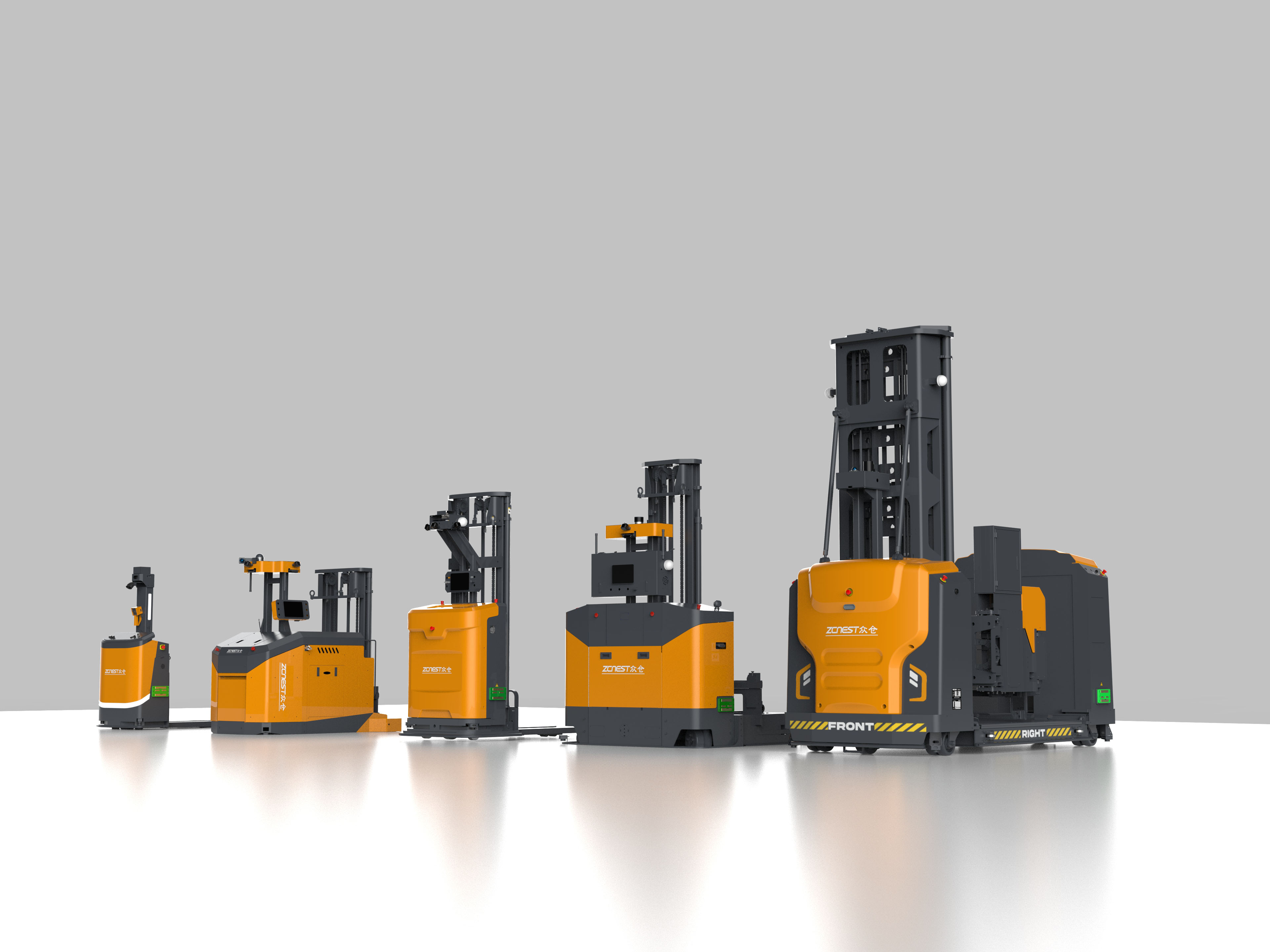
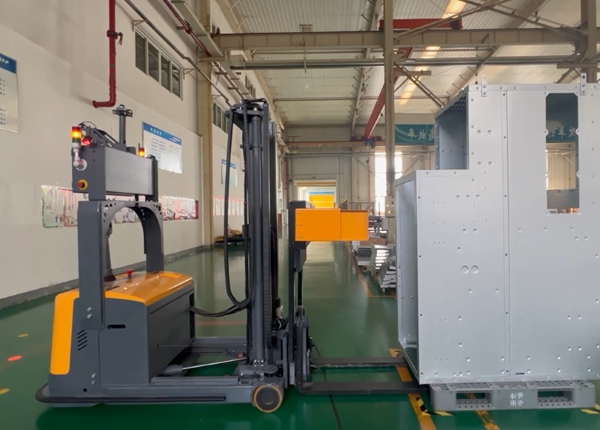
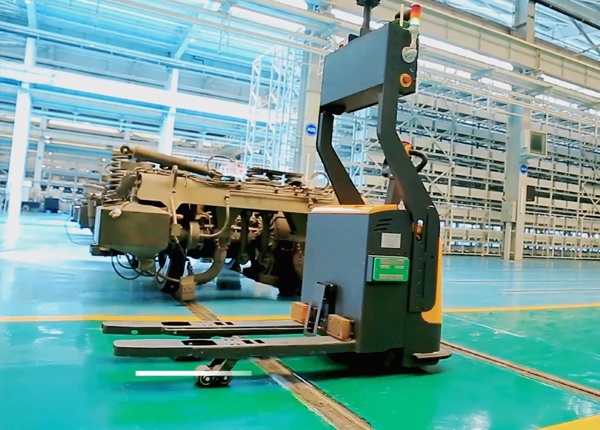

 Chinese
 English