


Evaluating the true ROI of AMR Forklifts requires looking beyond the initial equipment cost.
In 2026, the decision to adopt robotic automation is a strategic financial move driven by long-term operational stability and measurable capital efficiency.
01
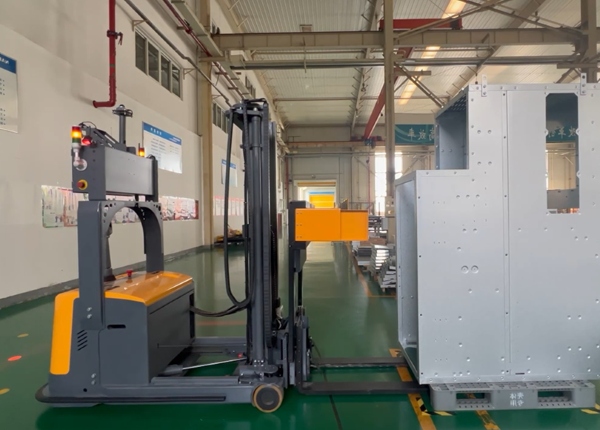
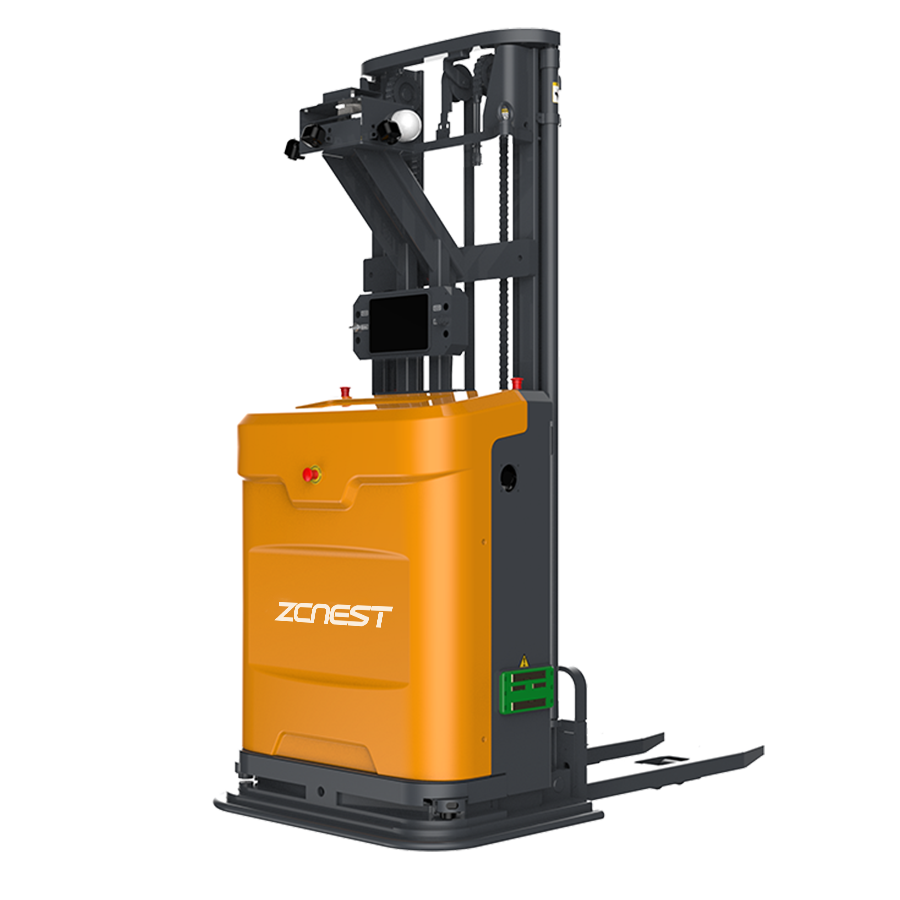
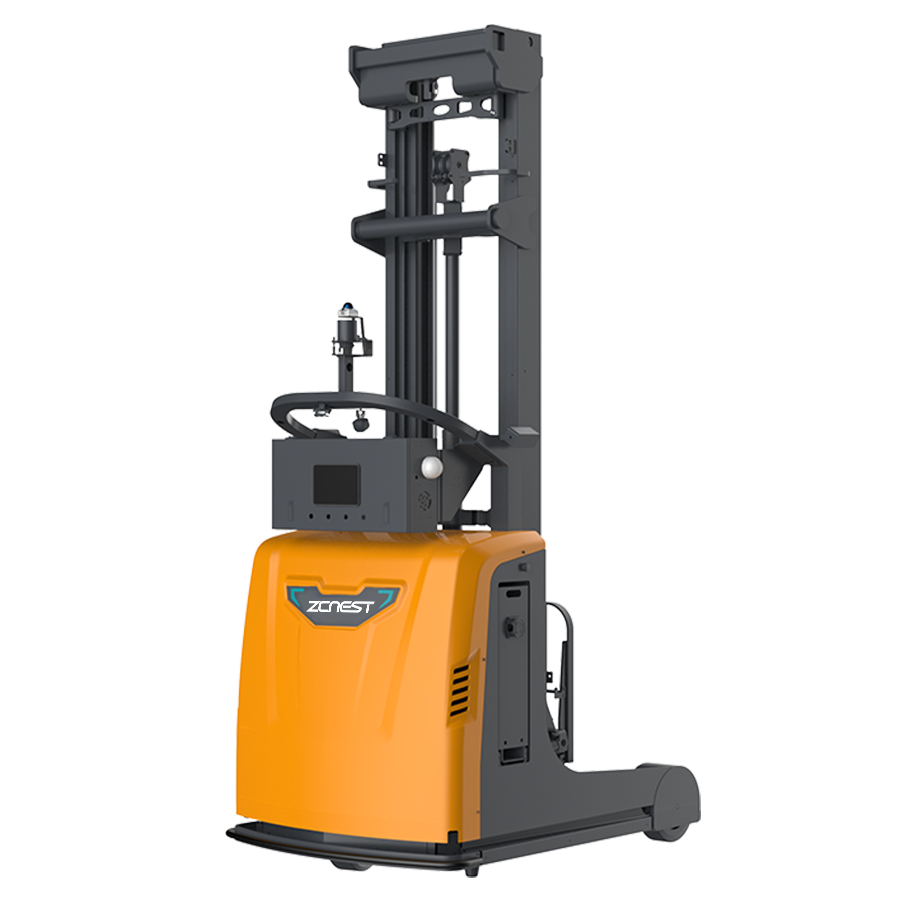
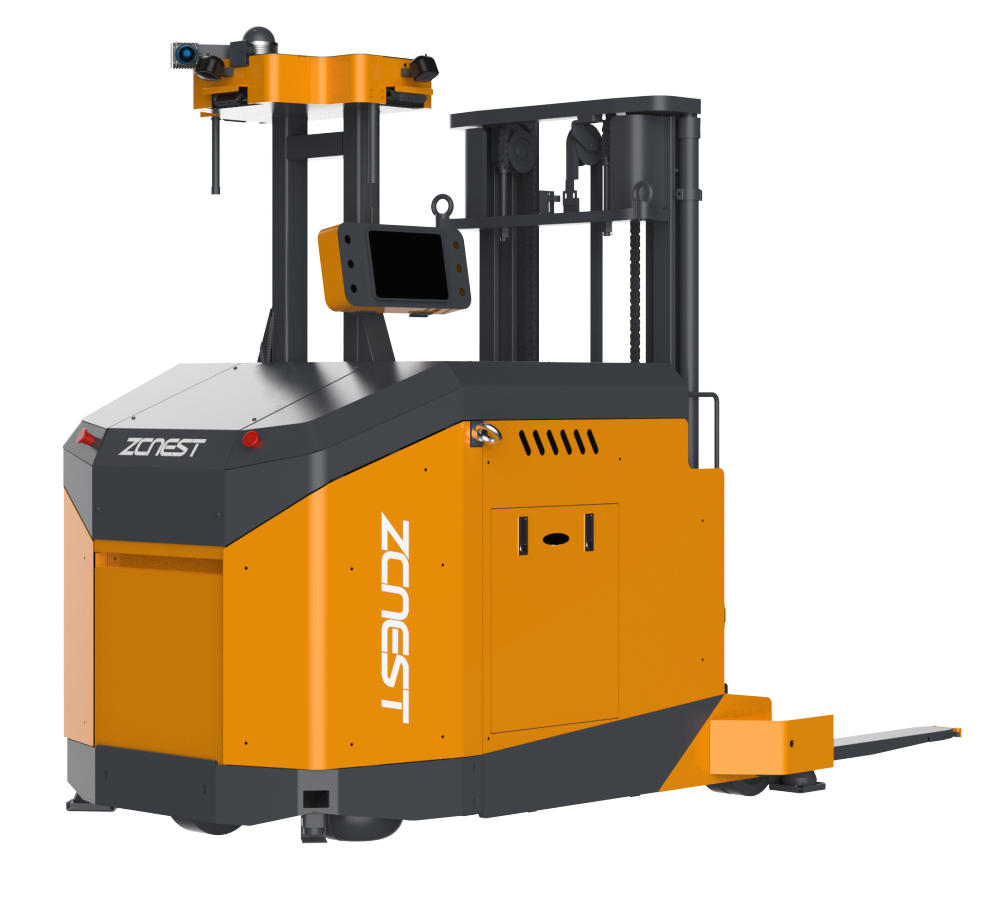
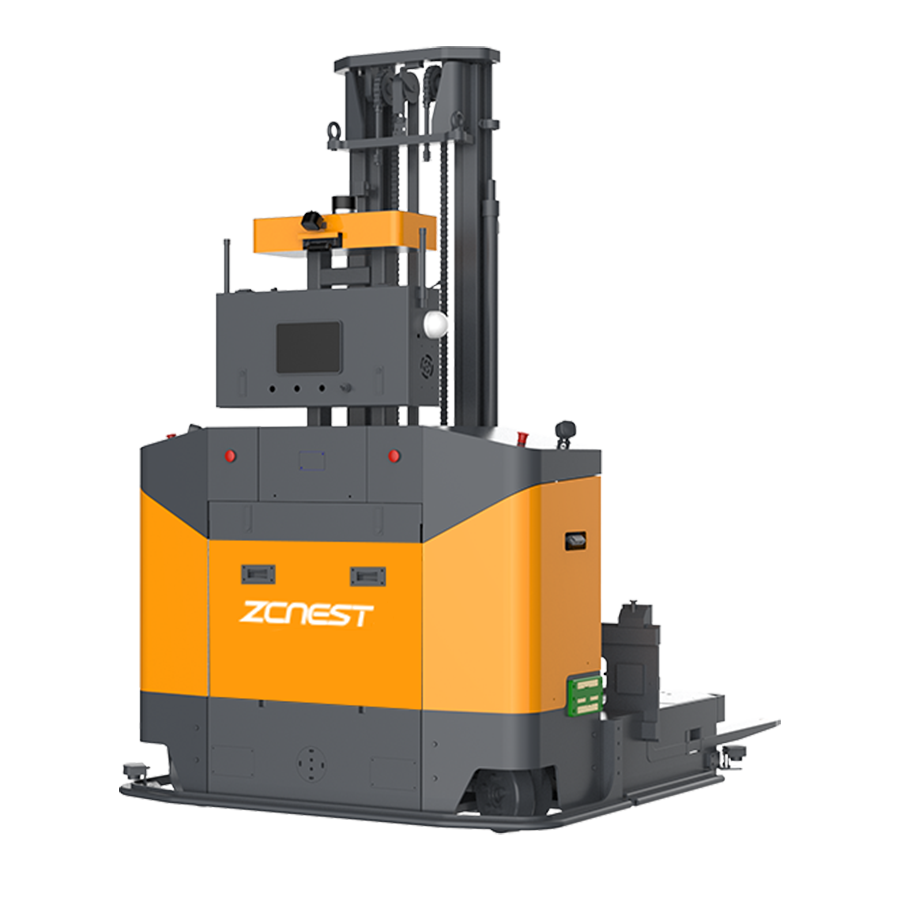
Labor represents one of the largest warehouse expenses. ZCNEST AMRs handle repetitive transport tasks, allowing you to reassign employees to higher-value activities such as inventory control or quality inspection.
02
Productivity consistency is a major economic advantage. Robotic forklifts operate 24/7 without breaks or shift limitations, ensuring stable pallet movement volumes regardless of peak demand cycles.
03
Collisions result in equipment damage, product loss, and insurance claims. AMR forklifts use advanced sensing to significantly reduce these hidden costs, protecting your bottom line from human error.
When calculating automation returns, companies should analyze Total Cost of Ownership (TCO) rather than the initial purchase price. Over a 3 to 5-year horizon, the reduction in labor dependency, improved efficiency, and fewer operational disruptions consistently offset the initial investment.
"Automation is not just an expense; it is a strategic asset that appreciates through operational consistency."





 Chinese
 English