


When companies begin researching warehouse automation in 2026, the comparison between AMR forklifts and AGV systems often appears early in the decision process. Although both technologies aim to automate pallet transportation, their operational principles are fundamentally different.
Understanding these differences helps organizations select the right automation strategy for long-term scalability.
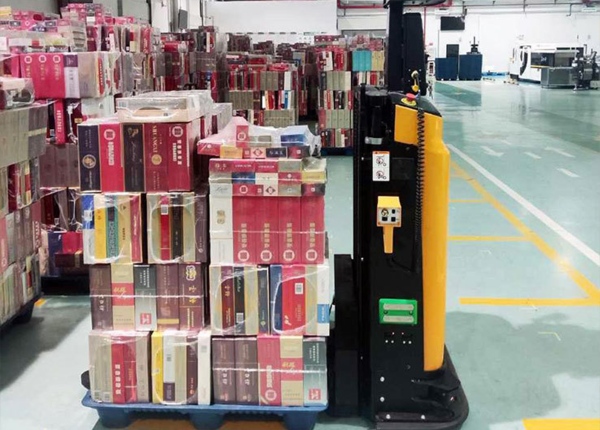
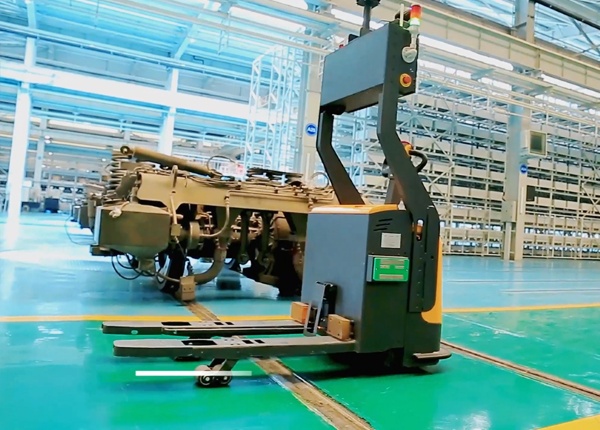
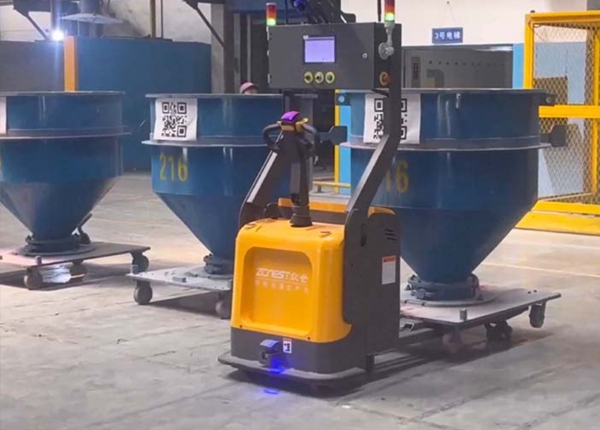
AGV forklifts traditionally rely on fixed navigation paths. These paths are defined by physical infrastructure like magnetic tape, reflectors, or floor markers. They follow a predefined "rail" and stop if the path is blocked.
ADVANCED
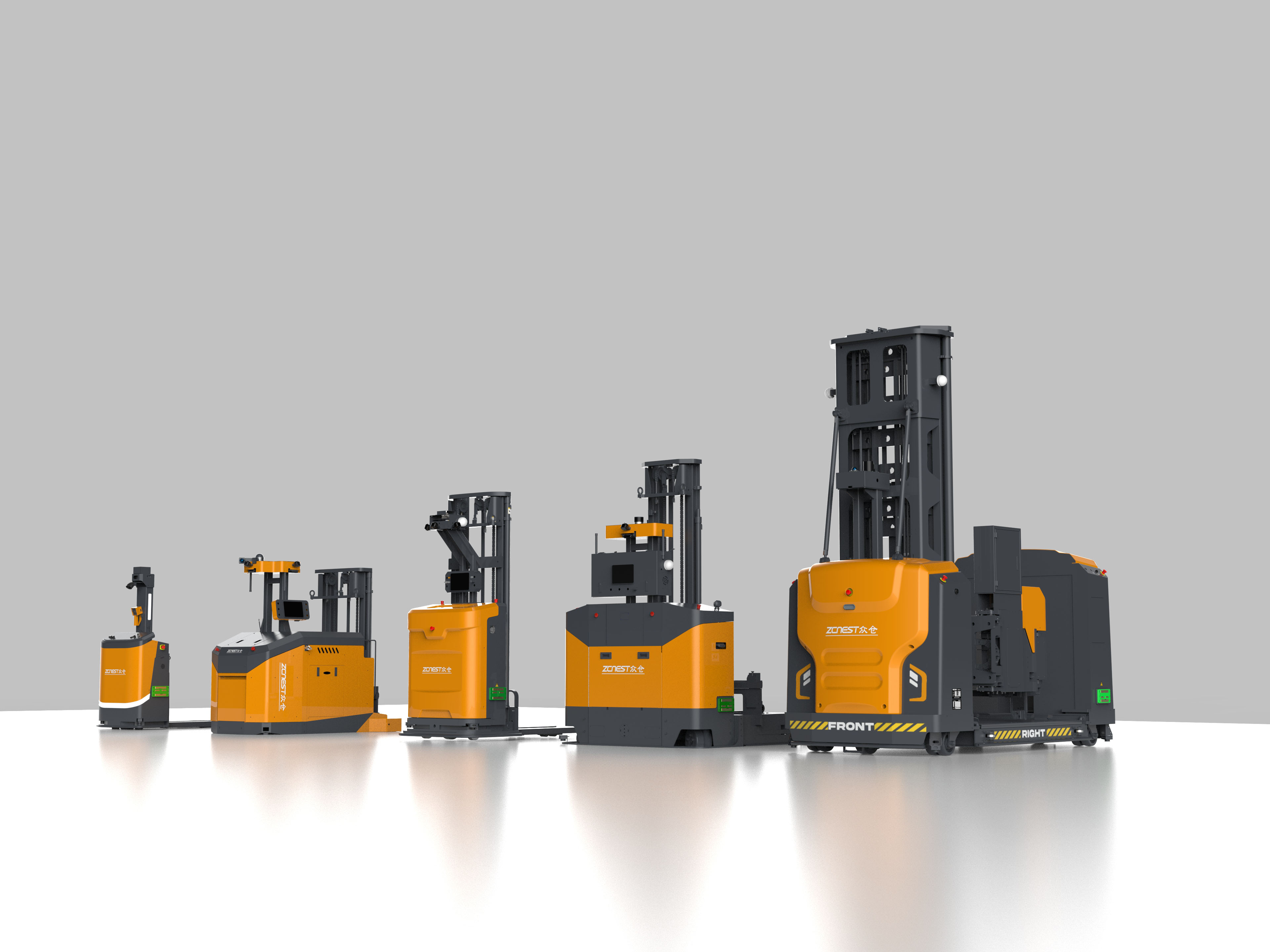
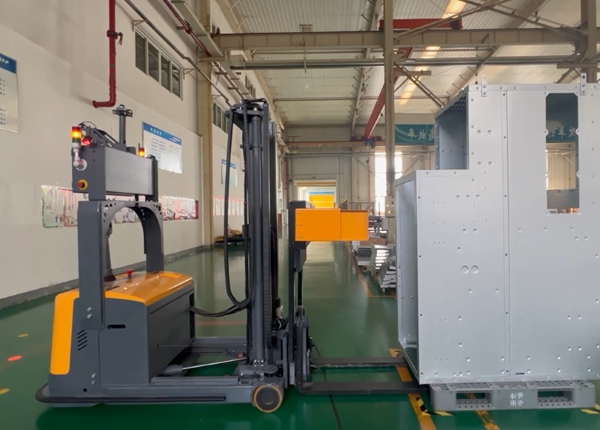
AMR forklifts use onboard sensors and SLAM algorithms to determine their own paths. Instead of following markers, they adjust routes dynamically when obstacles appear, much like a self-driving car.
AGV installations often require significant modifications to the warehouse floor or the addition of external navigation markers.
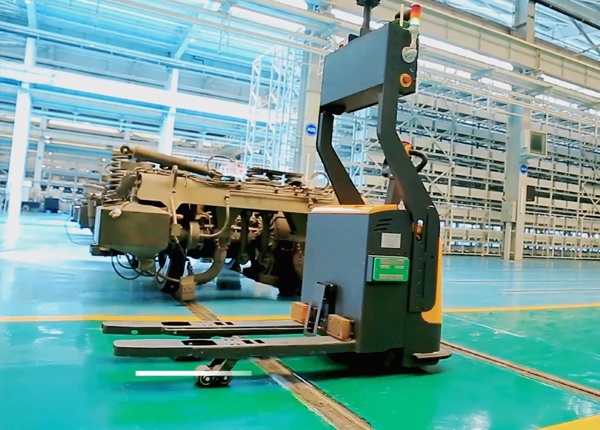
In contrast, AMR forklifts generally require zero physical infrastructure. Once a digital map is created, the robot navigates the environment autonomously, making it the preferred choice for modern, flexible warehouses.
Which system fits your facility's evolution?
The Case for AGVs:
Best for highly structured environments with static layouts where transport routes rarely change over several years.
The Case for AMRs:
Designed for dynamic warehouses where layout changes, seasonal traffic patterns, or operational growth frequently evolve. AMRs provide superior long-term scalability.





 Chinese
 English