


Short Answer: Base AGV hardware prices are slightly decreasing or stable, but total landed cost is NOT going down.
AGV pricing is no longer driven purely by manufacturing cost. Instead, the real cost structure now includes:
Tariffs (US / EU import duties)
Logistics volatility (freight + insurance)
Software & integration (RCS, APIs, WMS/ERP)
Compliance requirements (UL, ISO, cybersecurity)
Key Insight: Manufacturing price is only one part of the equation—system integration and compliance now dominate lifecycle cost.
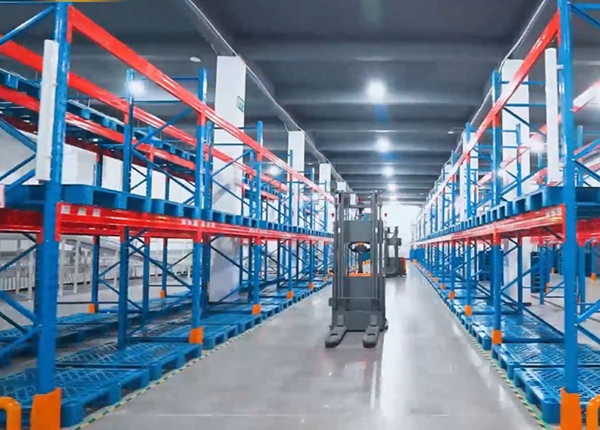
Unlikely. Battery cost reductions only have a limited impact on total AGV price.
Batteries account for ~8%–15% of AGV BOM
Even with falling lithium prices, total AGV price reduction is ~2%–5%
Integration + certification costs offset most savings
Software (RCS) cost is increasing
Safety certification costs are rising
Vendor margin shifting toward software services
Freight is no longer a one-time spike—it is a structural cost factor.
Factory price: 55%–70%
Tariffs: 10%–25%
Freight + insurance: 3%–10%
Installation + SAT: 5%–15%
Important: Even if shipping drops, tariffs and integration costs keep total landed cost elevated.
Tariffs are expected to remain stable or selectively increase
Automation and robotics remain strategic sectors
Broad reductions are unlikely
Procurement Reality: Treat tariffs as a permanent cost, not a temporary variable.
Small hardware price drops (1–3%)
Possible better models
But tariffs and demand remain unchanged
Lock current pricing
Start ROI immediately
Secure production capacity
Deploy pilot fleet first (20–40%)
Scale after validation
Renegotiate based on real performance data
Hardware: Slightly down (0–5%)
Batteries: Mild decline, low impact
Freight: Stable with seasonal variation
Tariffs: Stable or upward risk
Software / RCS: Increasing cost driver
AGVs are shifting from hardware purchase to software + lifecycle platform model.
RCS licensing fees
API integration costs
Support contracts
Remote diagnostics systems
Speed of deployment
Labor savings per month
System uptime stability
Scalability of fleet expansion
Key Insight: A 5% price drop is far less important than a 3-month delay in deployment.
In 2026, AGV procurement is no longer about timing the price bottom.
It is about maximizing time-to-value:
Faster deployment = faster ROI
Delays = lost operational savings
Software + tariffs = long-term upward cost pressure
FREE ENGINEERING SUPPORT Stop Gambling on Generic Platforms. Get an AGV/AMR Tailored to Your Warehouse.Buying automated guided vehicles involves complex safety standards (CE/ANSI), navigation setups (Laser SLAM), and ERP system integration. Don't risk your factory safety with middle-men. ✓ 100% Direct Factory: Customized payload up to 5 Tons. ✓ Free CAD Simulation: Send us your layout, and our engineers will simulate the optimal AGV routes. ✓ Global Support: Overseas installation guidance & local maintenance partners. |





 Chinese
 English