

Many warehouse managers assume that AGV efficiency depends mainly on vehicle speed. In reality, the biggest performance gains often come from reducing idle time, improving task allocation, and integrating AGVs with human picking operations.
For high-throughput warehouses with thousands of SKUs, optimizing the interaction between AGVs and picking stations can significantly increase overall productivity while reducing operating costs.
Key Insight:
The fastest AGV does not always create the highest ROI.
Minimizing wait time and empty travel usually delivers greater operational improvements.
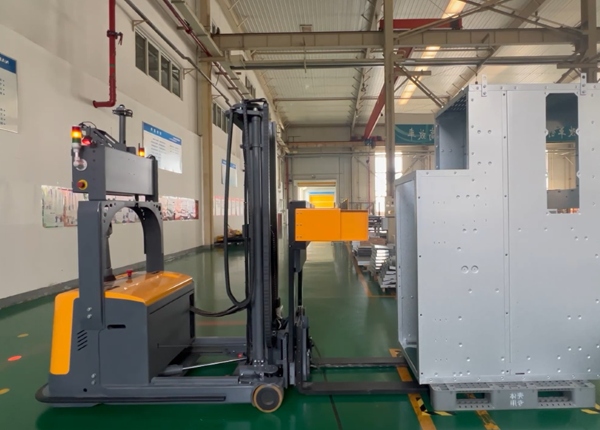
Wait Time refers to the average period an AGV remains idle at a picking station due to human delays or system bottlenecks.
Every second wasted compounds across hundreds or thousands of daily missions. In a warehouse with over 2,000 SKUs, an additional five seconds per picking cycle can reduce overall throughput by approximately 10%–15%.
Use RCS scheduling logic to stagger AGV arrivals.
Implement dynamic queuing with virtual waiting zones.
Position high-frequency SKUs closer to AGV docking locations.
Balance picker workloads across multiple stations.
Best Practice:
Instead of letting AGVs queue physically, create software-defined holding zones where
robots can adjust speed and arrival timing automatically.
Most modern China AGV suppliers support integration through RESTful APIs or OPC-UA communication protocols.
When connected to a Pick-to-Light system, AGVs can automatically trigger the correct picking indicators upon arrival.
Reduced picker errors
Lower station idle time
Improved order accuracy
Support for multi-order batch picking
Always request the API documentation in English before procurement. Open APIs vary significantly between suppliers.
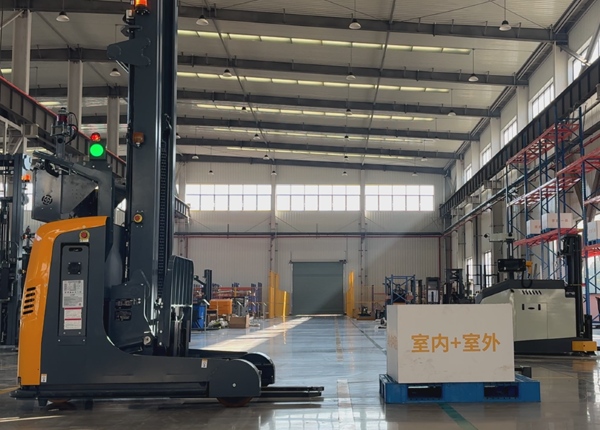
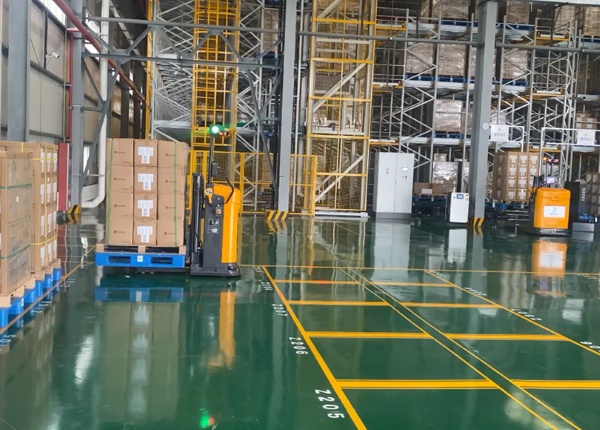
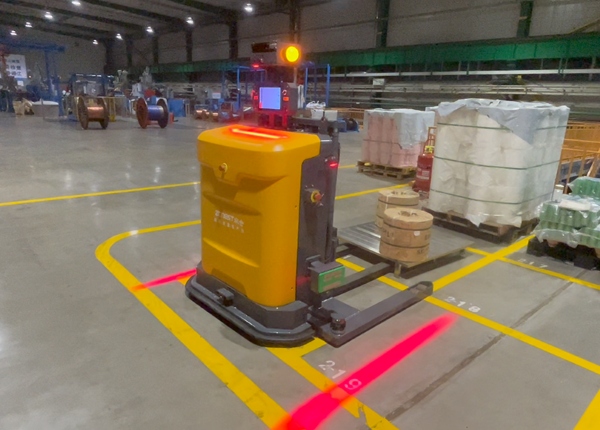
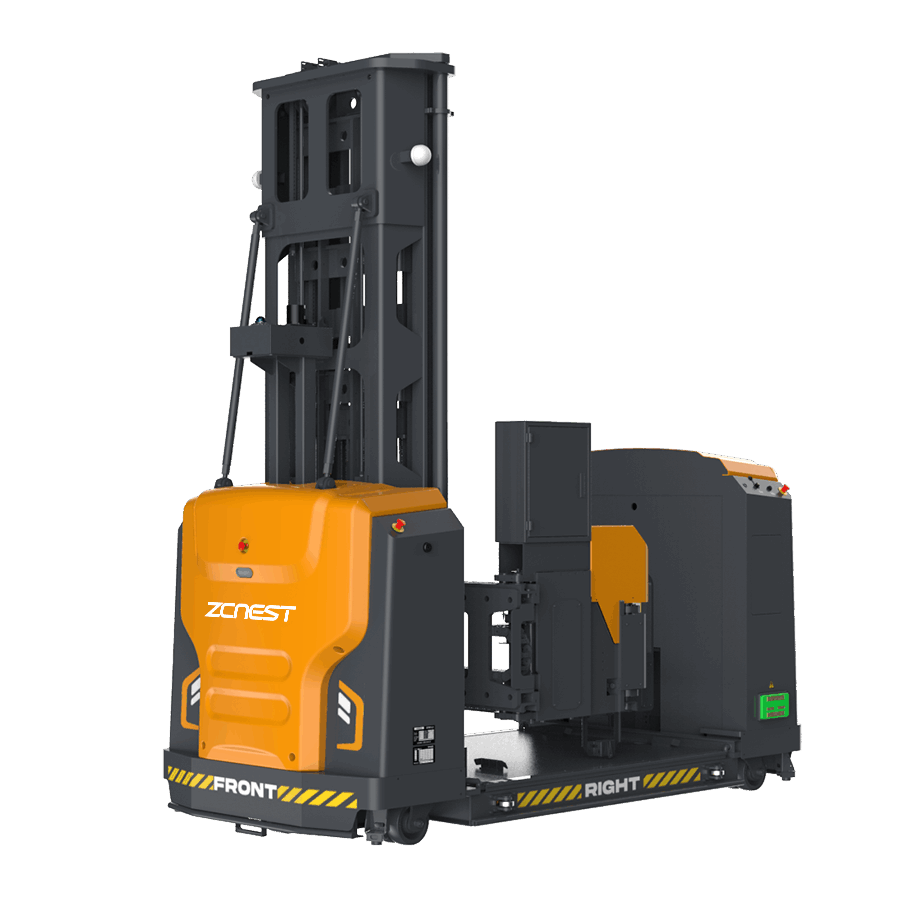
Different AGV types serve different operational purposes:
| AGV Type | Primary Function |
|---|---|
| AMRs | Fast-moving, high-frequency SKU picking |
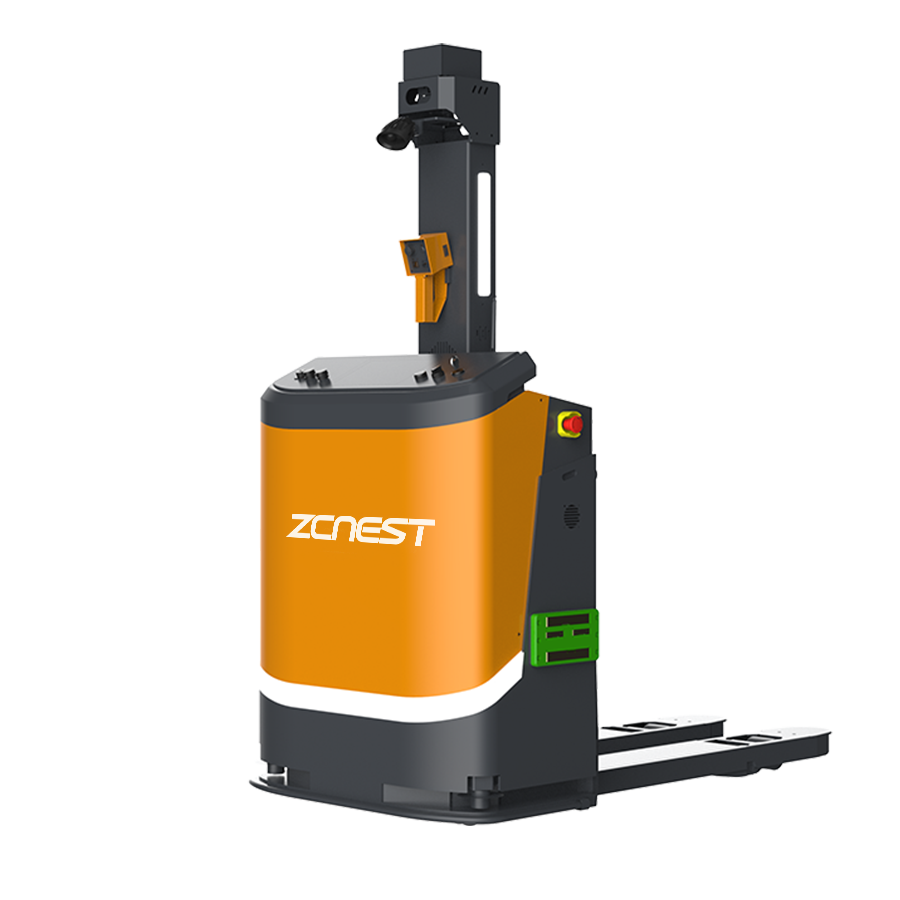
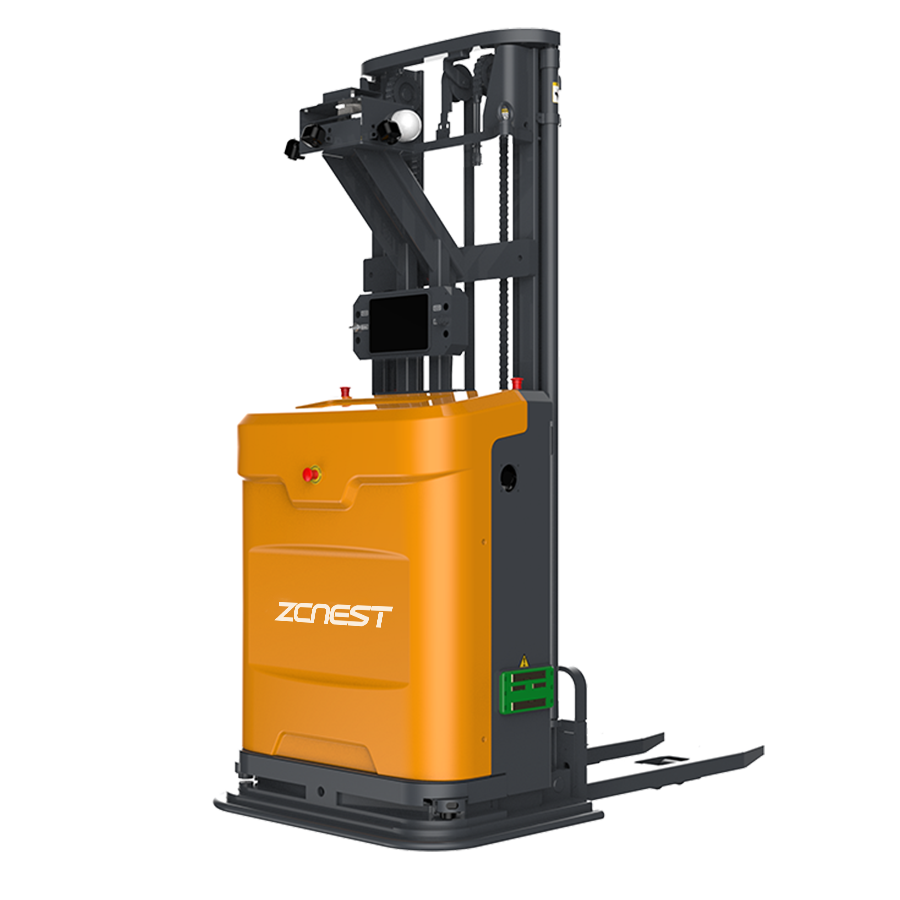
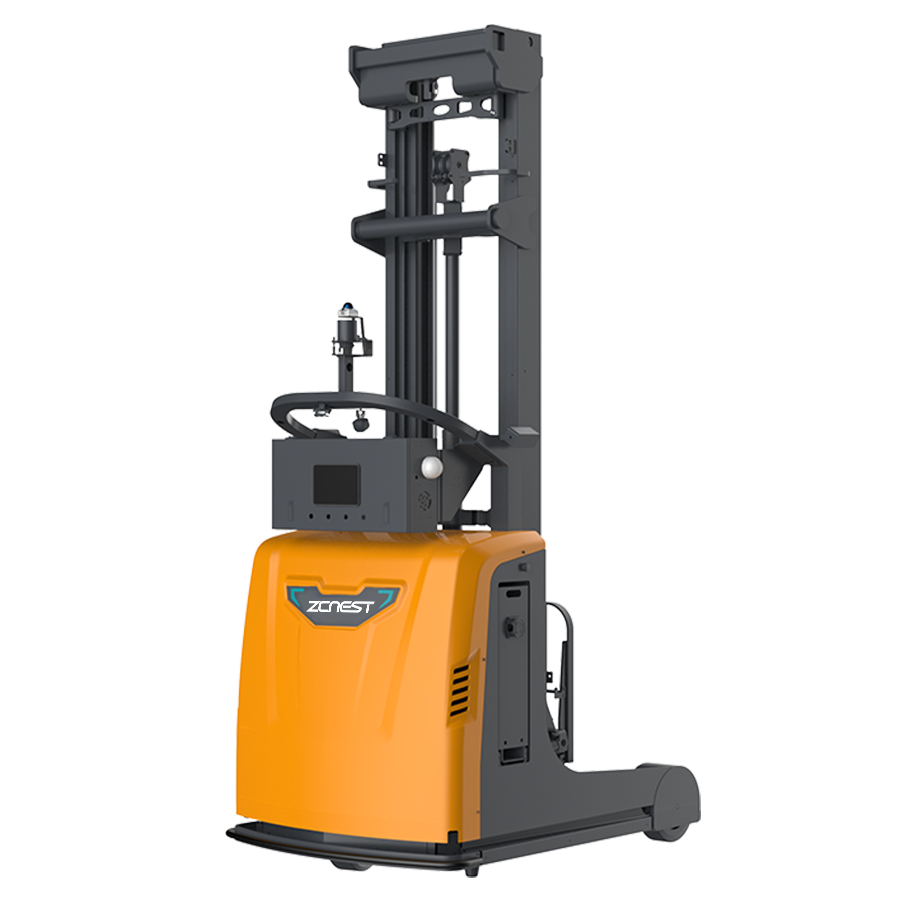
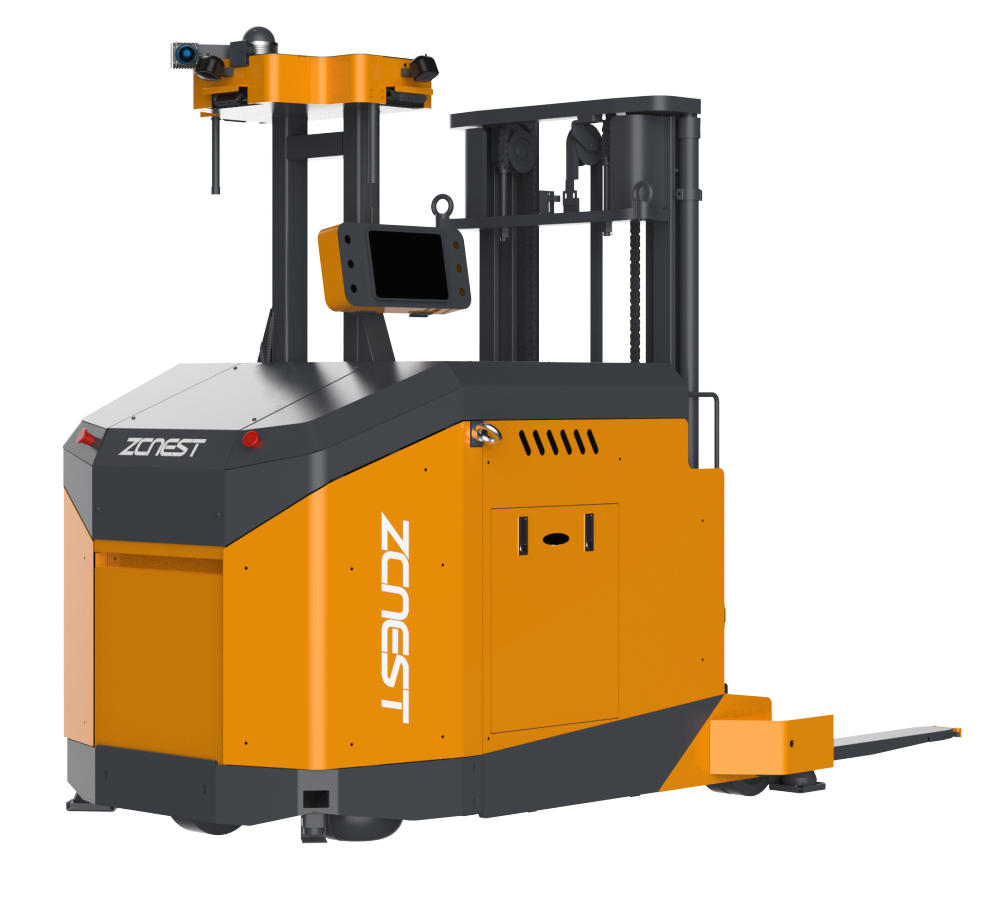
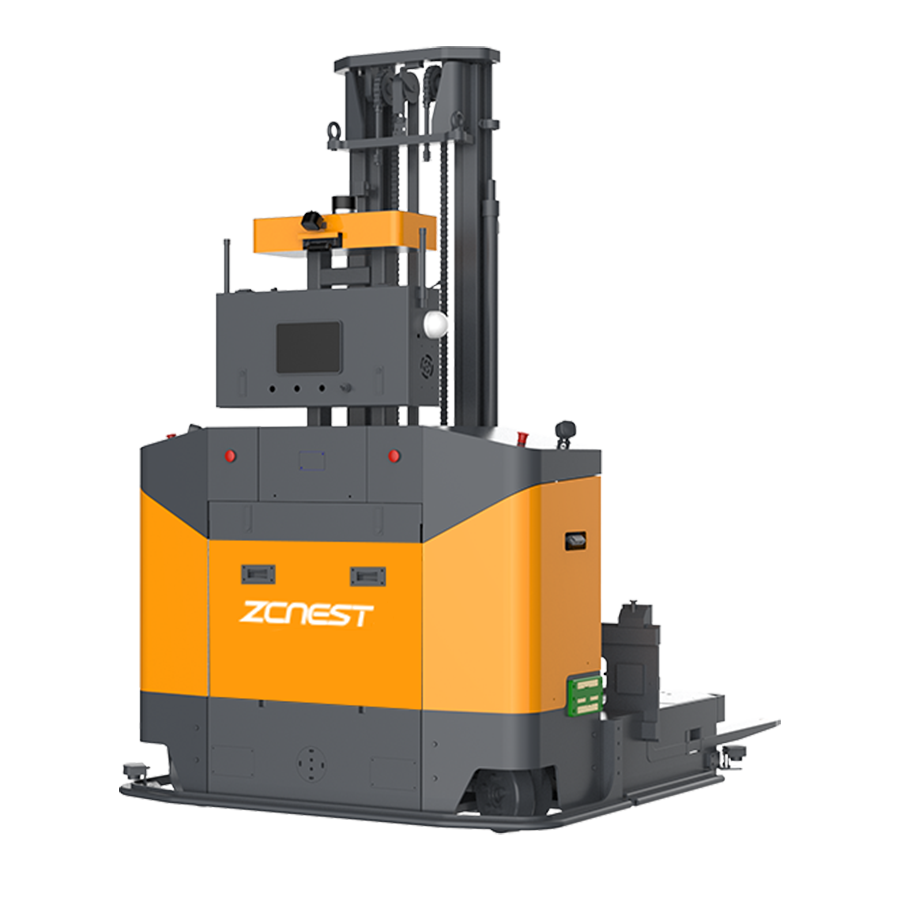
| Stacker AGVs | Heavy pallets and replenishment tasks |
For a warehouse managing approximately 2,000 SKUs, a practical starting point is:
60–70% AMRs for repetitive picking operations
30–40% Stacker AGVs for pallet movement and replenishment
The ideal ratio depends on SKU turnover rates, aisle dimensions, rack heights, and pallet weight profiles.
Deadheading occurs when AGVs travel without carrying any load. This wastes battery energy, increases tire wear, and reduces overall throughput.
Zone-based task assignment
Dynamic task bundling
Return-to-charge scheduling during low-demand periods
AI-driven path optimization algorithms
Many advanced Chinese AGV platforms now use real-time fleet optimization algorithms to minimize empty travel across the warehouse.
Conduct a detailed warehouse site survey.
Create a Digital Twin simulation model.
Configure wait-time thresholds in the RCS.
Integrate AGVs with Pick-to-Light or voice picking systems.
Track deadheading KPIs and optimize routes continuously.
Recommended KPI Dashboard
Average AGV wait time per station
Deadheading percentage
Picking station congestion events
Fleet utilization rate
Orders completed per hour
Battery consumption per completed task
High-frequency picking optimization is not simply about increasing AGV speed. The highest-performing warehouses focus on:
Reducing idle time
Minimizing empty travel
Synchronizing AGVs with human pickers
Leveraging intelligent RCS scheduling
Integrating seamlessly with Pick-to-Light systems
When properly configured, these improvements often generate more value than simply adding additional robots to the fleet.
If you're evaluating China AGV suppliers for a high-frequency warehouse, provide your:
Warehouse size
SKU count
Daily pallet throughput
Picking methodology
Expected AGV quantity
A proper simulation can estimate fleet size, identify congestion points,
reduce deadheading, and improve ROI before deployment.
FREE ENGINEERING SUPPORT Stop Gambling on Generic Platforms. Get an AGV/AMR Tailored to Your Warehouse.Buying automated guided vehicles involves complex safety standards (CE/ANSI), navigation setups (Laser SLAM), and ERP system integration. Don't risk your factory safety with middle-men. ✓ 100% Direct Factory: Customized payload up to 5 Tons. ✓ Free CAD Simulation: Send us your layout, and our engineers will simulate the optimal AGV routes. ✓ Global Support: Overseas installation guidance & local maintenance partners. |





 Chinese
 English