


As warehouses transition toward automation and electrification, one of the most important evaluation criteria is environmental impact. Replacing LPG forklifts with electric AGVs not only improves efficiency but also significantly reduces greenhouse gas emissions.
Key Insight:
Switching from LPG forklifts to electric AGVs can reduce direct on-site CO₂ emissions to near zero, while also improving operational efficiency and energy visibility.
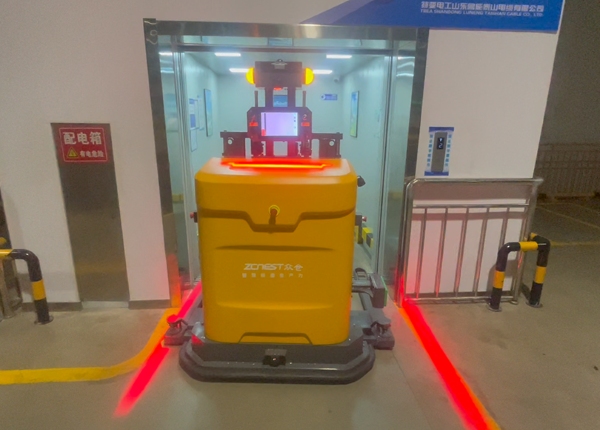
A typical LPG forklift consumes approximately 2–3 liters of LPG per operating hour. Assuming 2,000 operating hours per year, a single unit may consume:
4,000–6,000 liters of LPG annually
This corresponds to approximately:
6–9 metric tons of CO₂ per forklift per year
Electric AGVs eliminate direct combustion emissions entirely.
| Power Source | CO₂ Impact |
|---|---|
| Coal-heavy grid | Moderate reduction vs LPG |
| Average US grid | Significant reduction |
| Renewable-heavy facility | Very large reduction (near zero operational emissions) |
For a fleet of 20 AGVs replacing LPG forklifts, annual CO₂ reduction can exceed 100 metric tons.
Leading China AGV manufacturers increasingly integrate energy-efficient and ESG-aligned technologies.
High-efficiency AC servo motors
Variable speed control systems
Smart power management
Opportunity charging strategies
Advanced Battery Management Systems (BMS)
Reduced idle energy consumption
Dynamic fleet optimization to minimize empty travel
Some suppliers also publish ESG or sustainability reports, although verification standards vary.
Most AGVs are built using highly recyclable industrial materials.
| Component | Recyclability |
|---|---|
| Steel chassis | Very high |
| Aluminum parts | High |
| Copper wiring | High |
| Electric motors | High |
| Lithium batteries | Recoverable via specialized recycling |
| Plastic covers | Moderate |
Steel typically represents the largest material share and is easily recycled through standard industrial processes.
A professional AGV supplier should provide full lifecycle guidance for lithium batteries, including:
Safe battery removal procedures
Transport and hazardous material compliance
Certified recycling partners
Documentation for regulatory compliance
In many cases, used AGV batteries still retain sufficient capacity for second-life applications such as stationary energy storage.
Eco-friendly packaging practices vary by manufacturer and logistics constraints.
Reusable steel transport frames
FSC-certified wood packaging
ISPM 15 compliant pallets
Reduced plastic usage with recyclable materials
Practical Reality:
For heavy industrial AGVs, transport protection is prioritized over packaging sustainability to avoid damage during international shipping.
Modern AGVs recover energy during braking, lowering total energy consumption.
| Operation Type | Energy Recovery |
|---|---|
| Flat warehouse transport | 5–10% |
| Frequent stop-and-go operations | 10–15% |
| Reach trucks with mast lifting | 10–20% |
Energy is recovered and returned to the battery instead of being lost as heat.
AGVs operate with highly repeatable motion, reducing pallet collisions and product loss.
Electric AGVs eliminate exhaust emissions and reduce vibration-related floor wear.
RCS systems can provide real-time insights into energy consumption per move, idle time, and fleet efficiency.
What is the kWh consumption per operating hour?
What is the regenerative braking efficiency rate?
What is the expected battery cycle life?
What percentage of materials are recyclable?
What is the end-of-life battery disposal process?
What is the idle energy consumption per AGV?
Is an ESG or sustainability report available?
The environmental advantage of electric AGVs is not limited to emissions reduction. It also includes:
Lower operating costs
Higher energy efficiency
Improved fleet intelligence
Reduced maintenance requirements
Better lifecycle sustainability
In most warehouse environments, electrification through AGVs aligns sustainability goals with ROI objectives—making ESG performance and cost efficiency complementary rather than conflicting priorities.
If you're evaluating China AGV solutions for ESG or carbon reduction targets, share:
Current forklift fleet size
Annual operating hours
Warehouse layout
Energy source (grid type)
Automation goals
A detailed simulation can estimate CO₂ reduction, energy savings, and ROI improvement before deployment.
FREE ENGINEERING SUPPORT Stop Gambling on Generic Platforms. Get an AGV/AMR Tailored to Your Warehouse.Buying automated guided vehicles involves complex safety standards (CE/ANSI), navigation setups (Laser SLAM), and ERP system integration. Don't risk your factory safety with middle-men. ✓ 100% Direct Factory: Customized payload up to 5 Tons. ✓ Free CAD Simulation: Send us your layout, and our engineers will simulate the optimal AGV routes. ✓ Global Support: Overseas installation guidance & local maintenance partners. |





 Chinese
 English