


This document outlines the deployment strategy, expected benefits, financial impact, and risk mitigation plan for implementing the ZCNest AGV system in a warehouse automation environment.
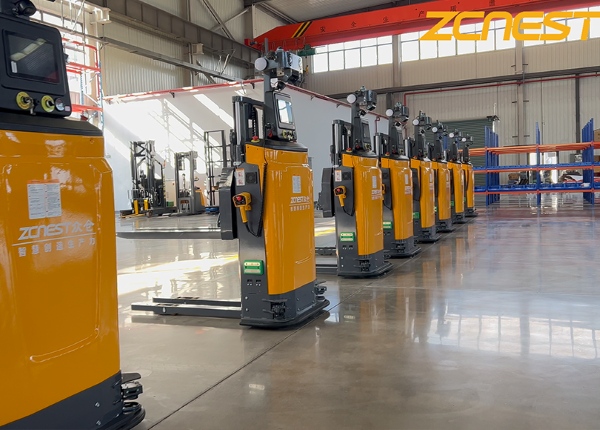
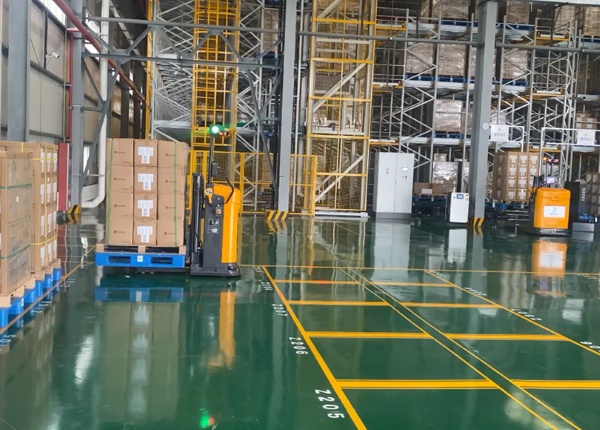
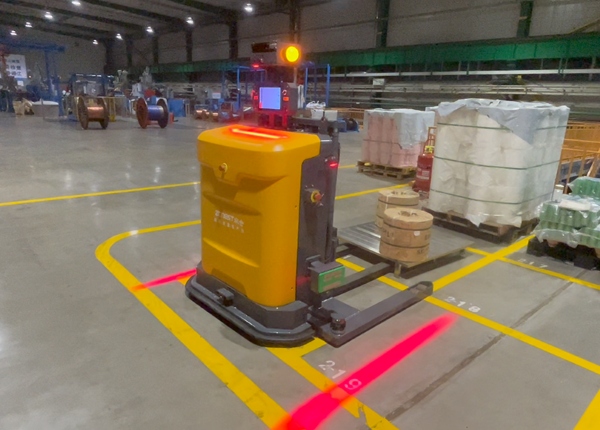
Deploy autonomous AGVs to automate pallet transport, reduce labor dependency, improve warehouse throughput, and increase storage utilization.
Rising labor costs and forklift operator shortages
Inconsistent material flow between warehouse and production
Congestion in key transport corridors
Limited warehouse expansion capacity
Increasing safety and compliance requirements
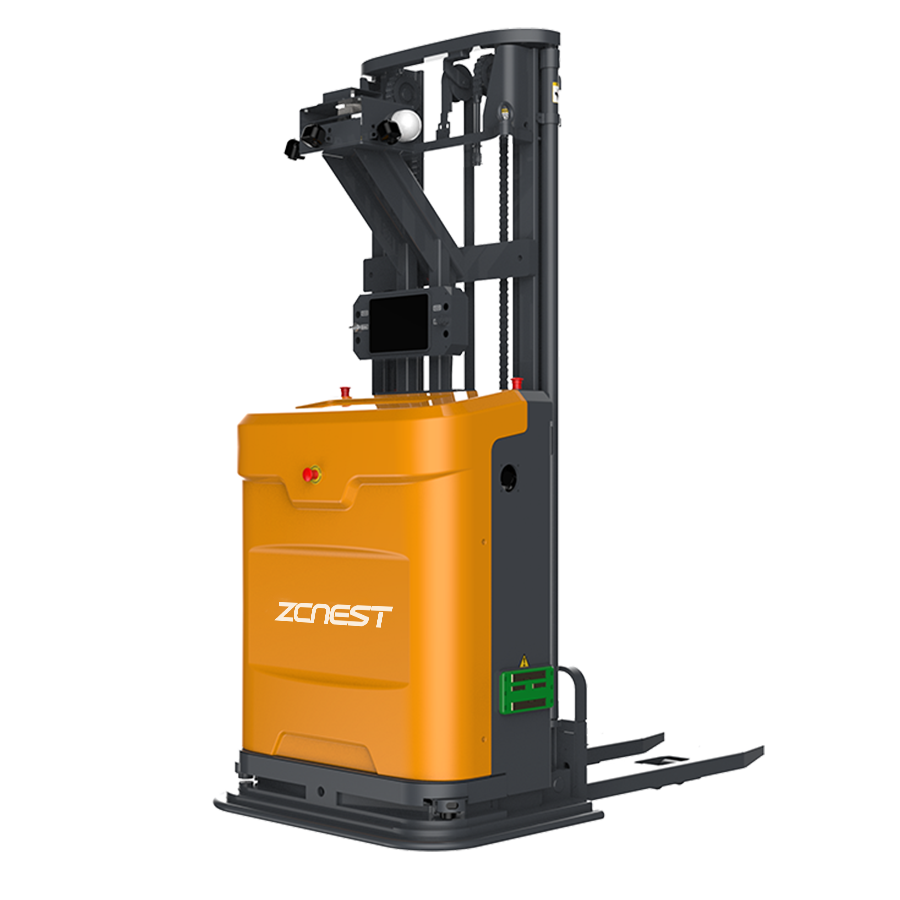
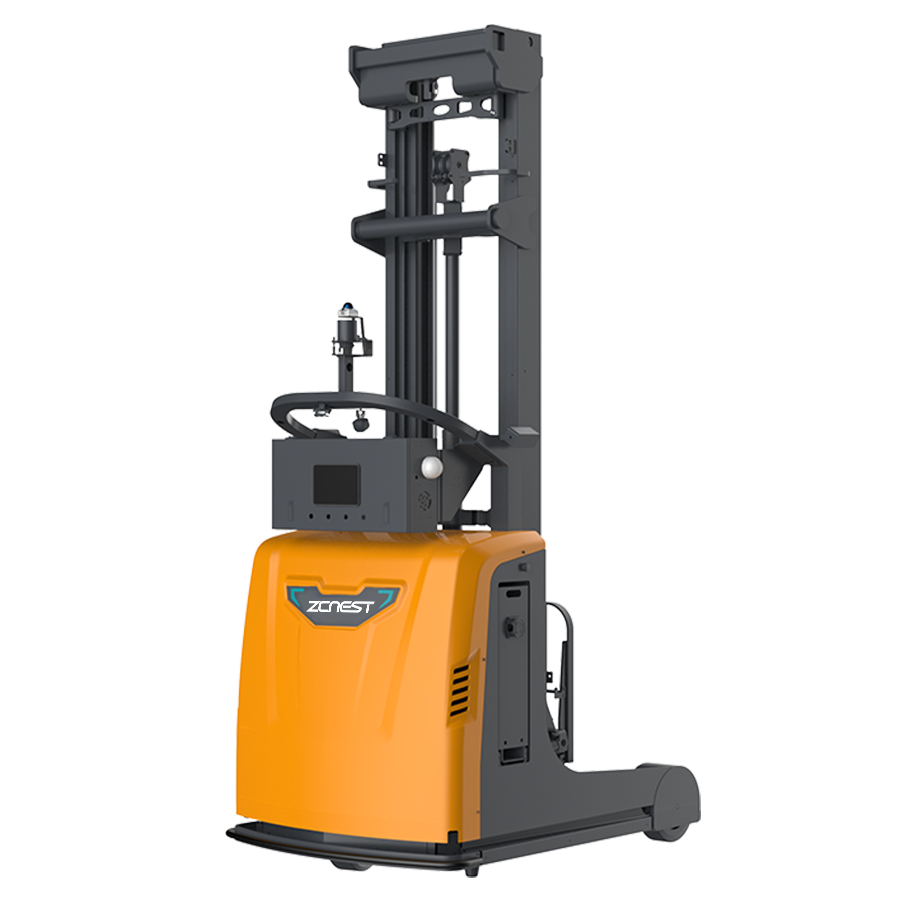
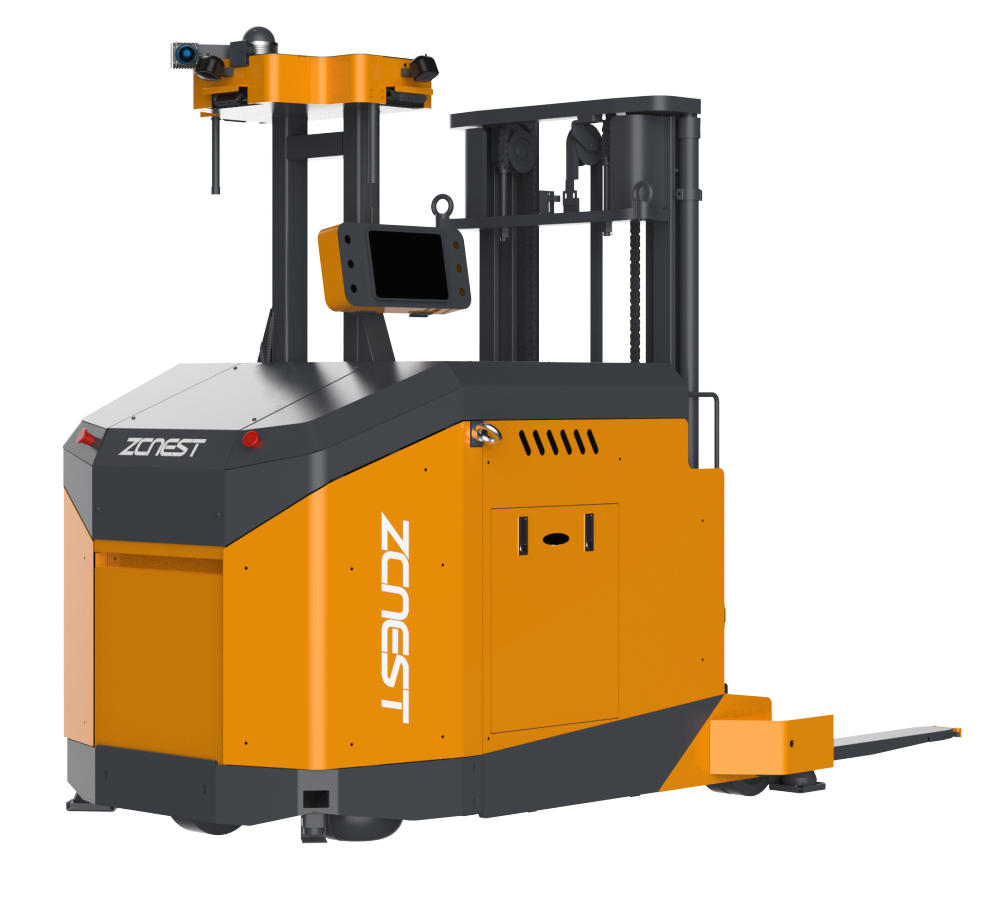
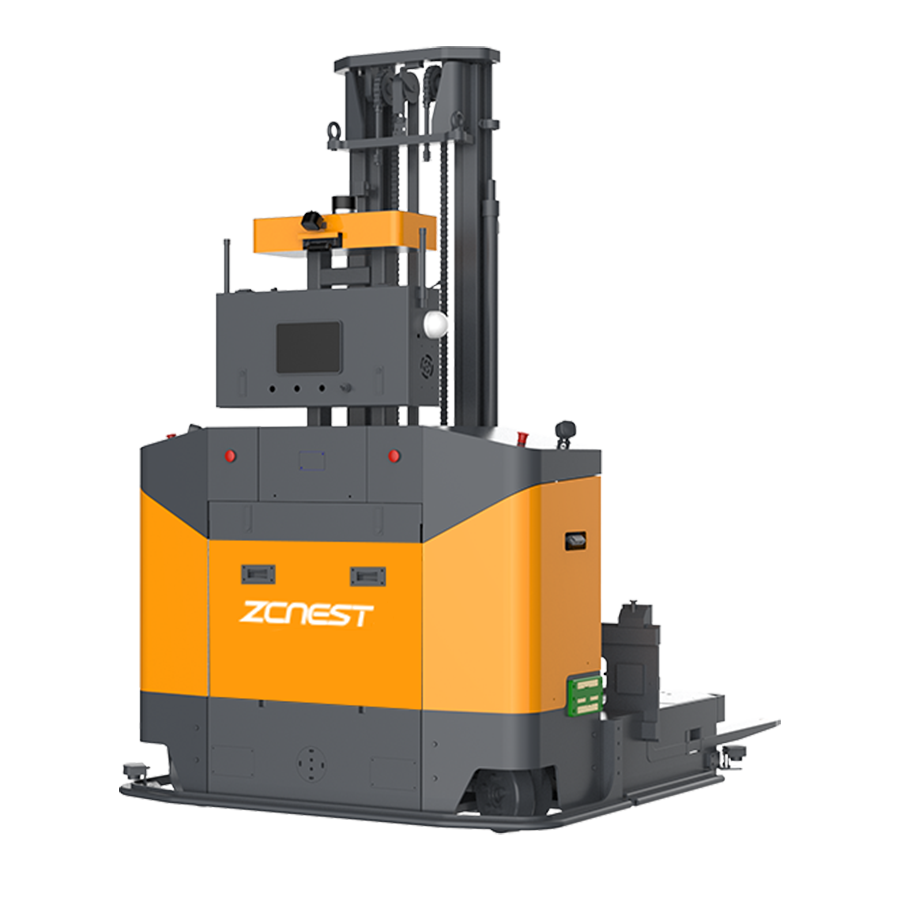
ZCNest AGV System includes:
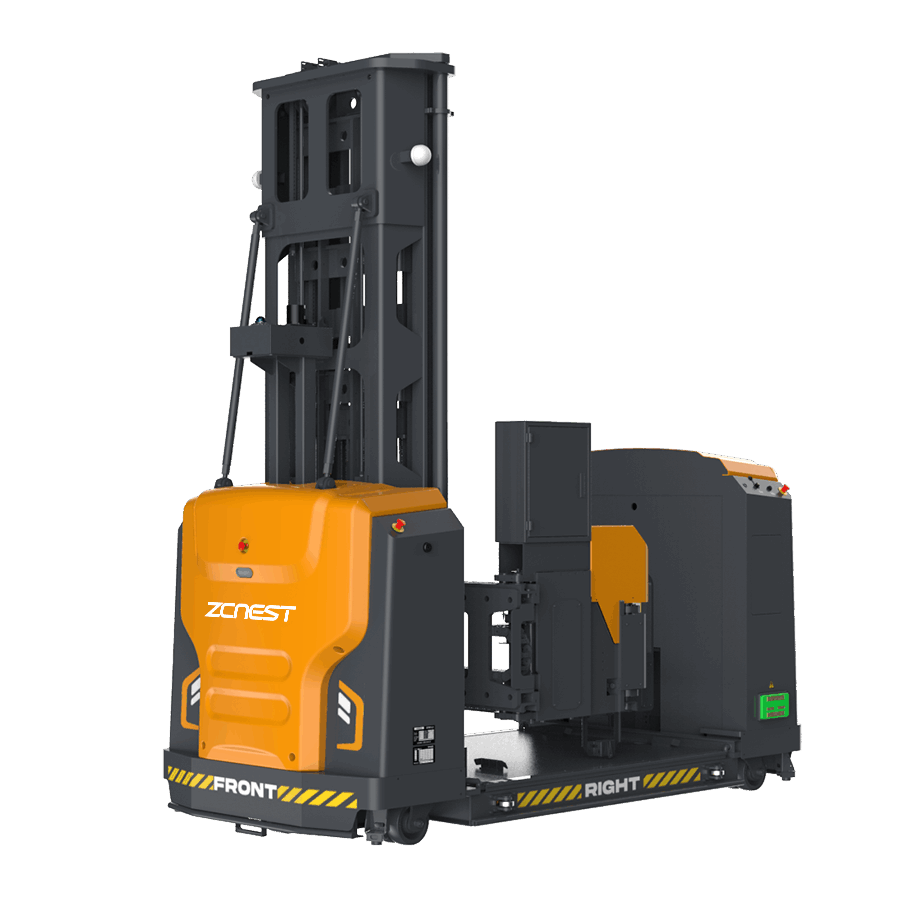
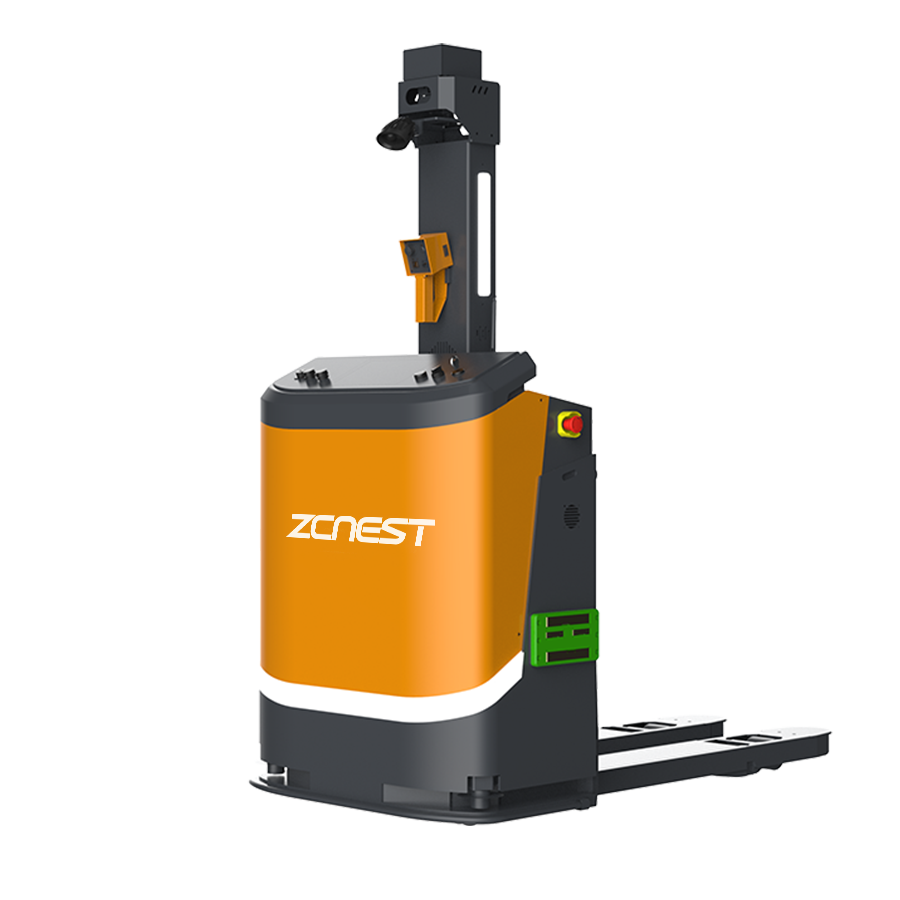
Autonomous forklift AGVs
Fleet Management System (RCS)
WMS / ERP Integration
Automatic Charging Infrastructure
Remote Monitoring & Diagnostics
Reduction of manual transport operations
Lower overtime dependency
Reduced reliance on skilled forklift operators
24/7 continuous operation capability
Reduced waiting time between production and storage
Optimized fleet scheduling and routing
Controlled AGV speed profiles
Automatic obstacle detection systems
Reduction in forklift-related accidents
Narrower aisle operations enabled
Higher pallet placement accuracy
Increased storage density potential
Key Value Drivers:
Labor cost reduction
Damage and loss reduction
Energy efficiency improvements
Reduced operational delays
Typical payback period: 18–36 months, depending on utilization rate and baseline labor cost structure.
Lower total cost of ownership (TCO)
Improved operational resilience
Scalable automation without facility expansion
Pilot deployment before full-scale rollout
Factory Acceptance Test (FAT) and Site Acceptance Test (SAT)
Service Level Agreement (SLA) with uptime commitments
Spare parts inventory strategy
Operator and maintenance training program
Proceed with a pilot deployment phase to validate ROI, operational stability, and integration performance before full fleet expansion.
A strong AGV business case should be built around similar reference deployments rather than generic technology claims.
Automotive manufacturing
Food & Beverage logistics
Pharmaceutical warehouses
3PL logistics operations
Warehouse size comparison
AGV fleet size
Pallet moves per day
| Risk Category | Required Evidence |
|---|---|
| Technical Risk | Reference deployments with similar scale and environment |
| Financial Risk | Verified ROI, payback period, and TCO model |
| Operational Risk | Uptime statistics, MTBF, MTTR data |
| Vendor Risk | Export history, installed base, service capability |
“99% uptime” is only meaningful if clearly defined.
A professional evaluation should include:
Fleet uptime percentage
RCS uptime percentage
Charging system uptime
MTBF (Mean Time Between Failure)
MTTR (Mean Time To Repair)
Finance teams typically evaluate AGV investments based on:
Payback period
Five-year TCO
Labor reduction assumptions
Maintenance cost structure
Software subscription fees
Spare parts lifecycle costs
Expansion scalability
Downtime risk exposure
The most effective AGV business case is not technology-driven, but value-driven:
Labor Savings + Throughput Improvement + Risk Mitigation + Proven References
This positioning is typically what converts engineering interest into approved capital expenditure.
FREE ENGINEERING SUPPORT Stop Gambling on Generic Platforms. Get an AGV/AMR Tailored to Your Warehouse.Buying automated guided vehicles involves complex safety standards (CE/ANSI), navigation setups (Laser SLAM), and ERP system integration. Don't risk your factory safety with middle-men. ✓ 100% Direct Factory: Customized payload up to 5 Tons. ✓ Free CAD Simulation: Send us your layout, and our engineers will simulate the optimal AGV routes. ✓ Global Support: Overseas installation guidance & local maintenance partners. |





 Chinese
 English