

Importing AGV forklifts from China can significantly reduce upfront equipment investment compared to purchasing from local US manufacturers. However, the actual savings depend on system configuration, software scope, and integration requirements rather than just the base machine.
In most cases, Chinese AGV solutions offer a more cost-efficient hardware structure, while US brands typically bundle higher engineering, software, and service premiums into the total system cost.
Key savings usually come from:
Standardized modular AGV platforms
Lower manufacturing and assembly costs
Flexible configuration options
Direct factory pricing without multiple distributor layers
However, buyers should also consider additional costs such as integration, commissioning, and local support when calculating total project economics.
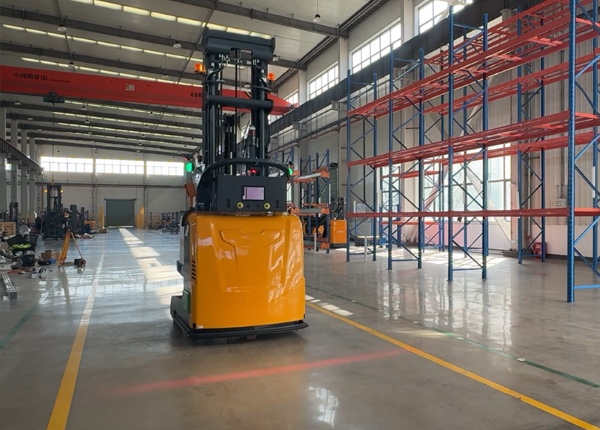
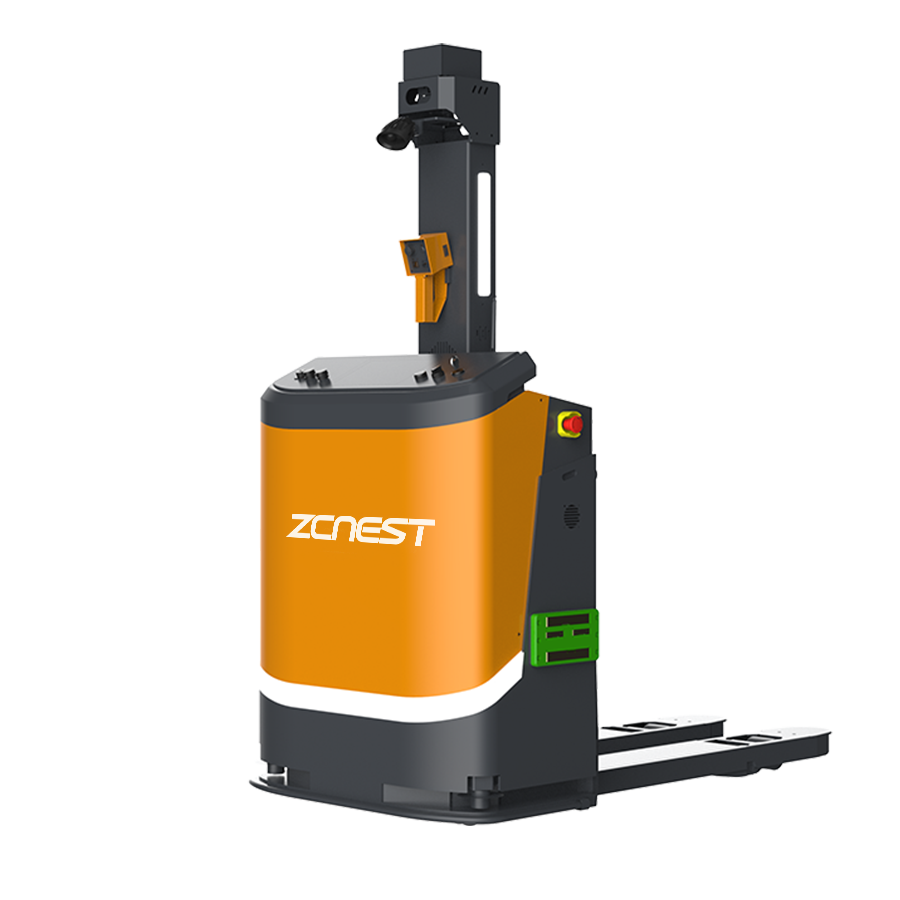
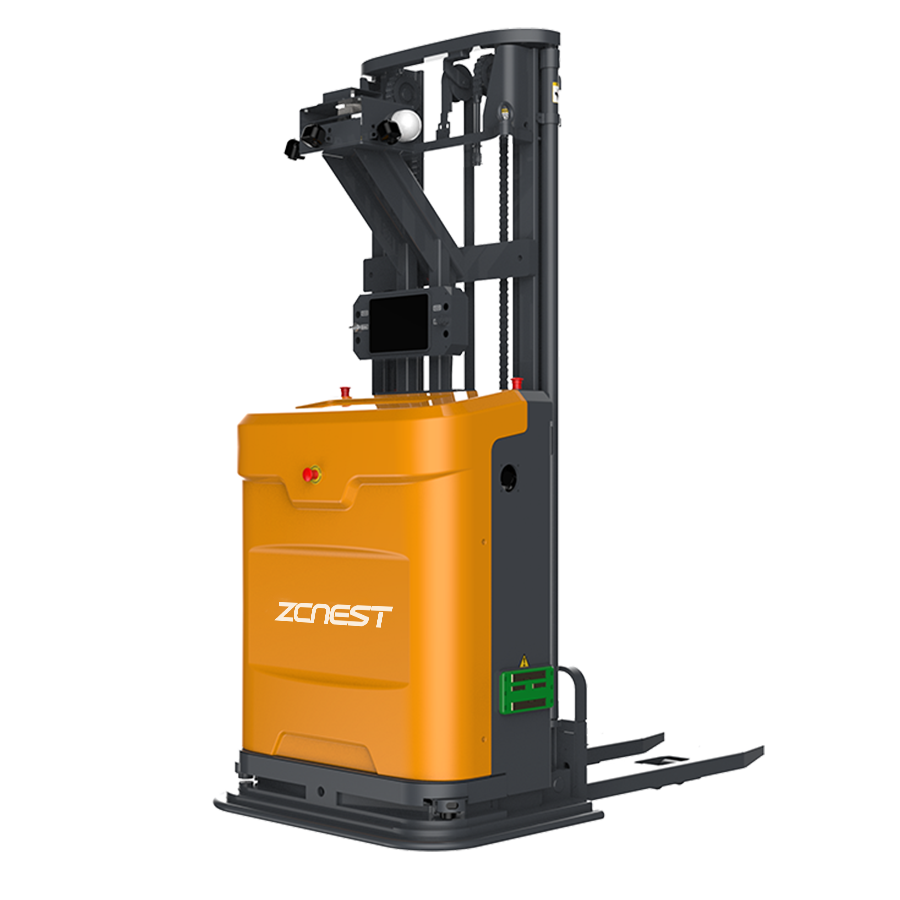
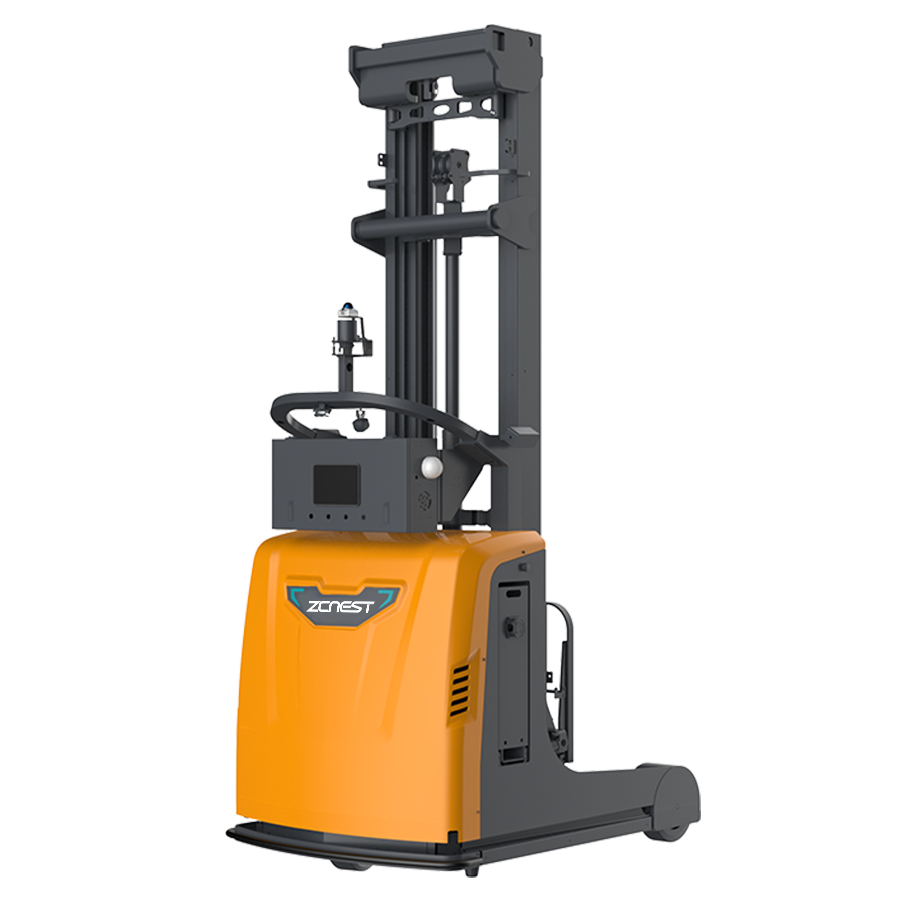
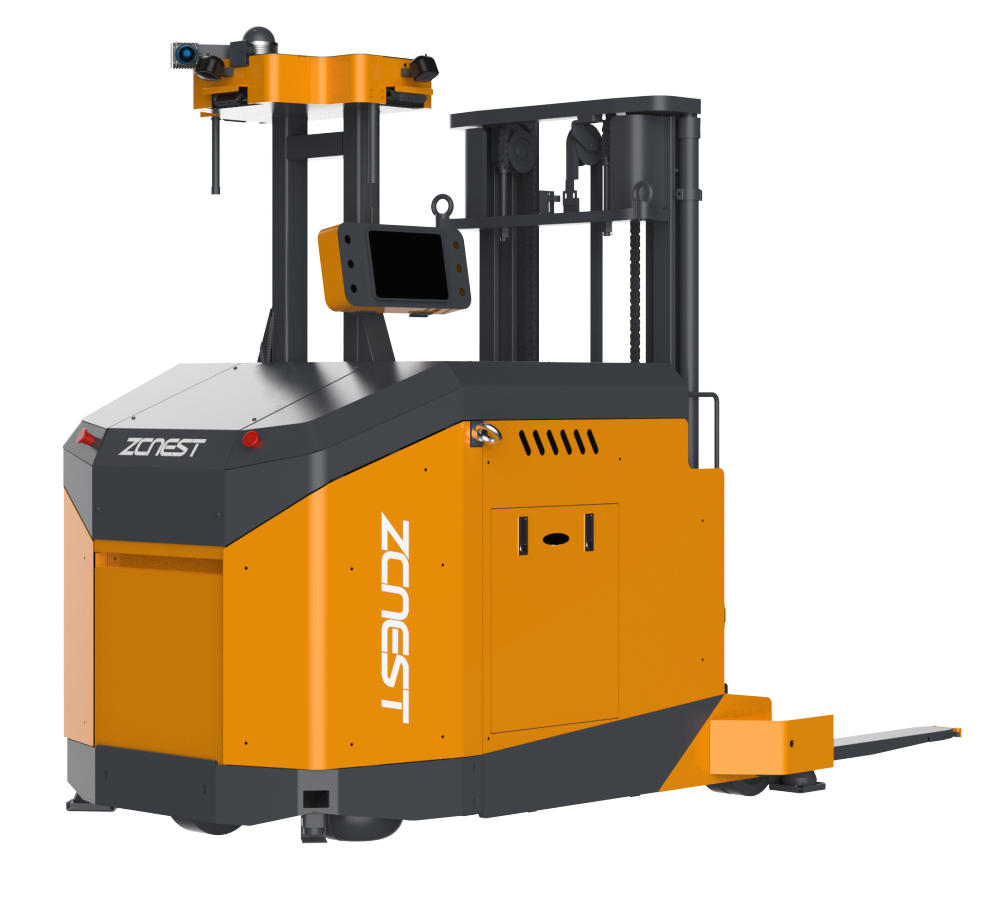
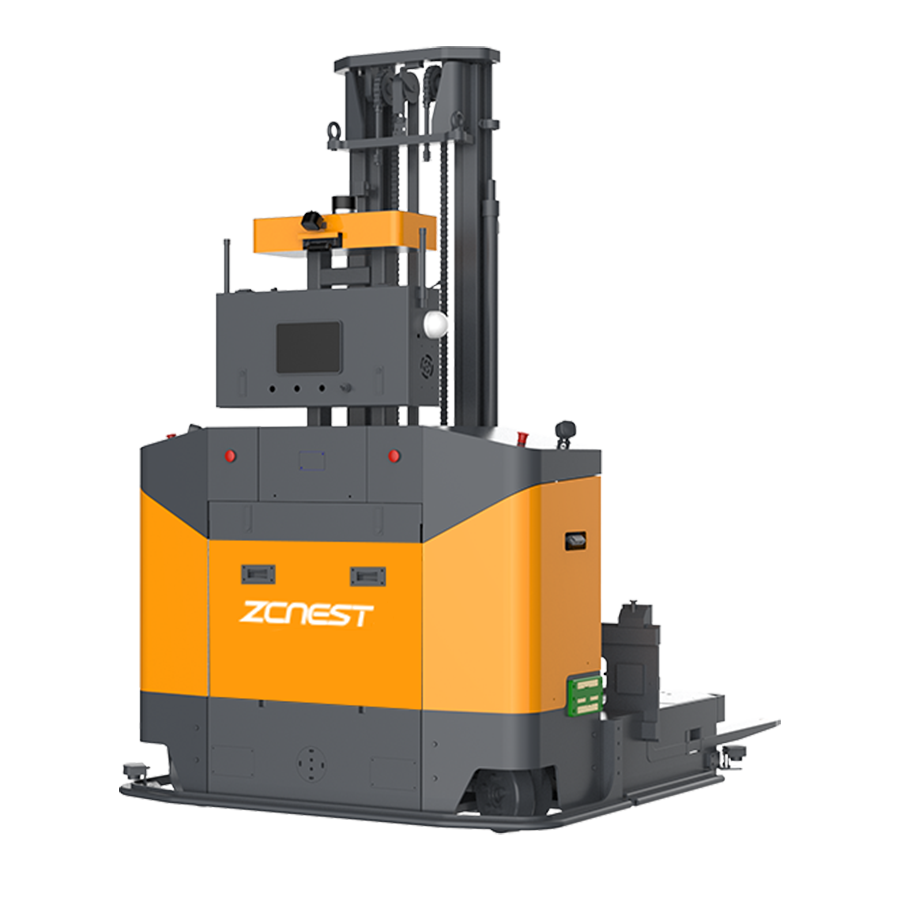
Chinese heavy-duty laser navigation AGV forklifts are widely used in:
Pallet warehouse automation
Heavy-load logistics centers
Manufacturing inbound/outbound handling
Cold storage and high-density racking systems
Typical configurations include:
Laser SLAM or 3D SLAM navigation
Load capacities from medium to heavy-duty ranges
Autonomous pallet handling and stacking
Integration with WMS / ERP systems
Multi-sensor safety systems (LiDAR, cameras, emergency stop)
Compared to Western systems, Chinese AGVs tend to focus on:
High modularity
Faster customization cycles
Cost-optimized industrial design
Flexible integration with different warehouse layouts
Yes—this is one of the most important considerations in AGV procurement.
While base equipment pricing is often straightforward, additional costs may arise from:
WMS / ERP interface development
API customization
Multi-fleet coordination logic
VDA 5050 or middleware adaptation
Warehouse map calibration
Wi-Fi / network optimization
Rack layout adaptation
Safety zoning configuration
RCS customization
Workflow logic adjustment
Task scheduling rules
Multi-shift operational logic
On-site deployment support
Operator training
System debugging and optimization
In many projects, these engineering services can represent a significant portion of the total system cost if not clearly defined in the contract.
A proper ROI model for AGV deployment should go beyond equipment price comparison.
Key factors include:
Reduction in forklift operators
Lower overtime and shift dependency
Reduced training turnover costs
Continuous 24/7 operation capability
Reduced idle time between tasks
More consistent handling speed
Lower product damage rates
Reduced workplace accident risk
Lower insurance-related costs
Improved warehouse space utilization
Optimized routing and scheduling
Reduced bottlenecks in peak periods
Predictable maintenance cycles
Battery lifecycle planning
Software update-driven efficiency improvements
A realistic ROI calculation should include:
Total system cost (not just AGV units)
Deployment timeline impact
Downtime risk during transition
Scalability for future expansion
In general:
Best for:
Fast deployment projects
Simple warehouse layouts
Basic pallet handling tasks
Advantages:
Lower engineering complexity
Shorter delivery and commissioning cycles
More predictable system behavior
Limitations:
Less flexibility for unique workflows
May require process adjustment on your side
Best for:
Complex warehouse environments
High-density automation projects
Multi-system integration (WMS, ERP, conveyors, lifts)
Advantages:
Tailored workflow optimization
Better long-term efficiency
Higher integration flexibility
Limitations:
Higher engineering involvement
Longer deployment cycles
More dependency on vendor support
For most warehouse automation projects, the optimal approach is:
Start with a standardized AGV platform
Add only necessary customization layers
Clearly define integration scope before procurement
Focus on total lifecycle ROI rather than unit price
In AGV procurement, the biggest cost difference is not only the equipment itself—but the level of engineering, integration, and operational readiness required to make the system fully functional in your warehouse environment.
FREE ENGINEERING SUPPORT Stop Gambling on Generic Platforms. Get an AGV/AMR Tailored to Your Warehouse.Buying automated guided vehicles involves complex safety standards (CE/ANSI), navigation setups (Laser SLAM), and ERP system integration. Don't risk your factory safety with middle-men. ✓ 100% Direct Factory: Customized payload up to 5 Tons. ✓ Free CAD Simulation: Send us your layout, and our engineers will simulate the optimal AGV routes. ✓ Global Support: Overseas installation guidance & local maintenance partners. |





 Chinese
 English