


For industries like chemicals, oil & gas, pharmaceuticals, coatings, grain handling, and battery production, automation is no longer optional—but safety requirements are far stricter than in standard warehouses.
One of the most critical questions buyers ask is:
Can AGVs or AMRs from China be safely used in explosive or flammable environments?
The answer is yes—but only specific explosion-proof (Ex) certified configurations qualify, and the compliance gap between “standard AGV” and “ATEX-grade AGV” is significant.
📥 "Planning to automate your warehouse? Send us a simple layout sketch or channel dimensions, and our engineers will design a FREE AGV Route Simulation for you."
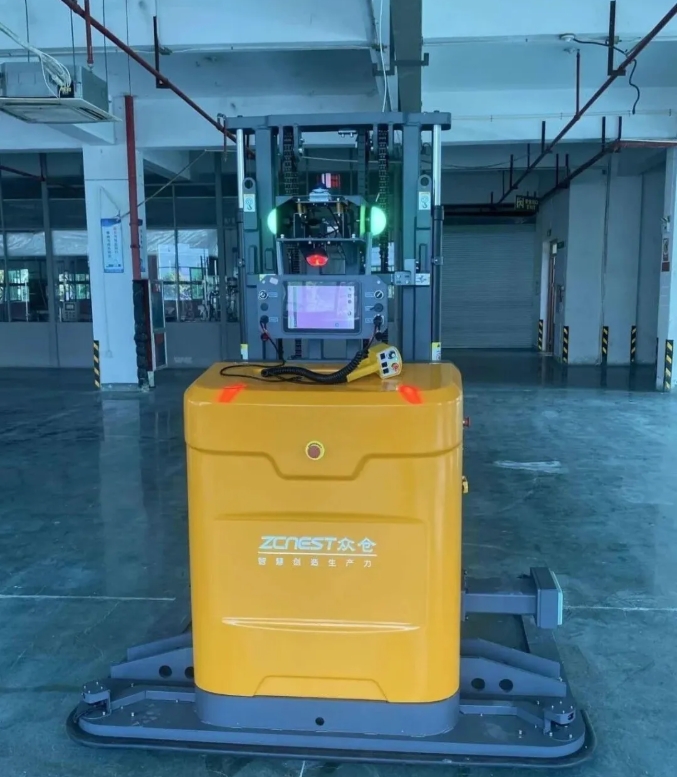
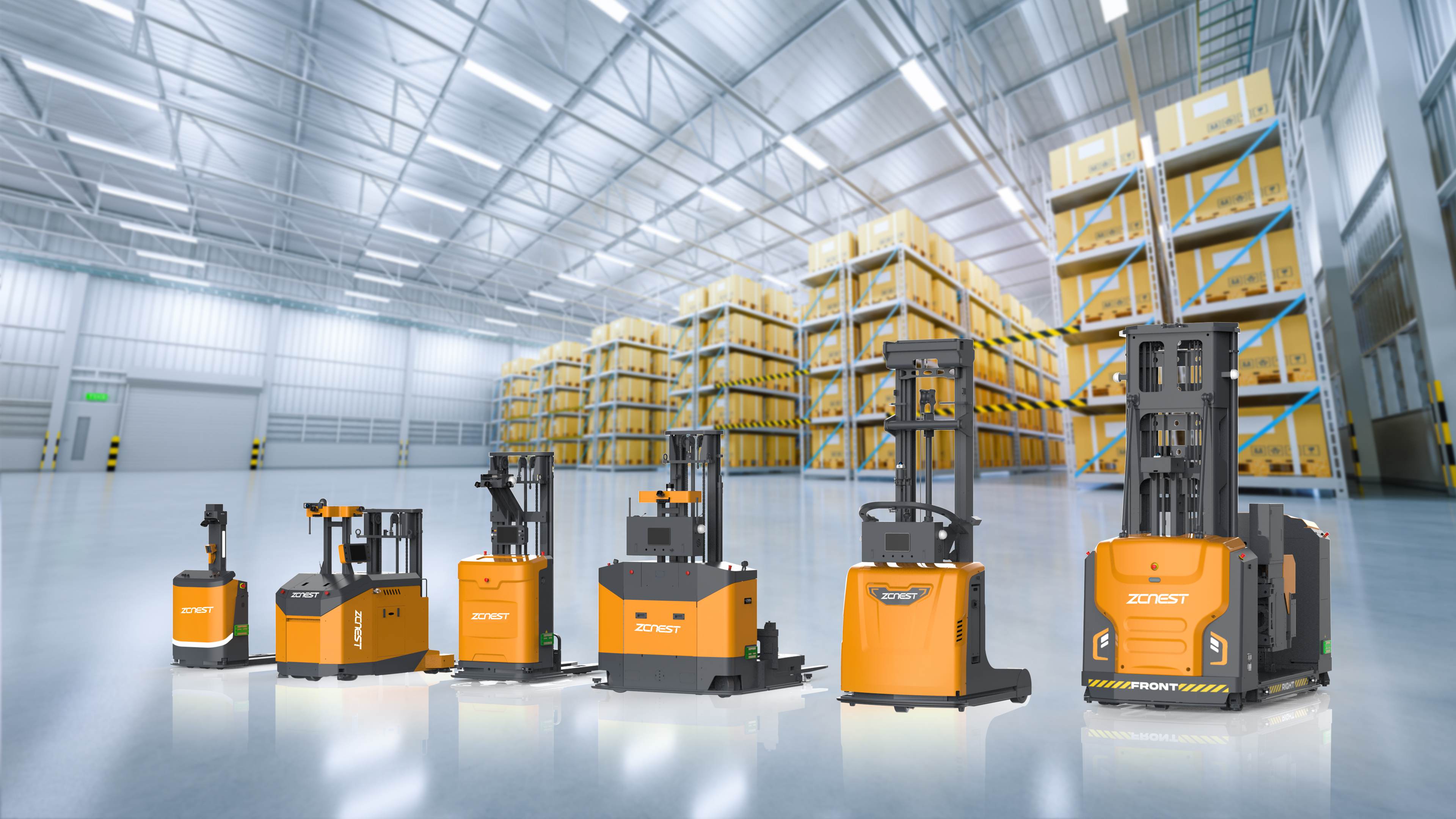
Leading Chinese AGV manufacturers can produce:
Explosion-proof AGVs (Ex-rated forklifts)
ATEX-compatible AMRs (limited vendors)
IECEx-certified industrial robots (select exporters)
These are custom engineering projects, not off-the-shelf machines.
✔ Chemical storage warehouses
✔ Paint and coating plants
✔ Petrochemical logistics zones
✔ Grain and flour silos
✔ Pharmaceutical solvent handling
✔ Lithium battery production lines
ATEX classification:
| Zone | Risk Level | Requirement |
|---|---|---|
| Zone 2 | Occasional explosive atmosphere | Lower protection level |
| Zone 1 | Likely explosive atmosphere | High safety design |
| Zone 0 | Continuous explosive atmosphere | Extremely rare for AGVs |
Chinese manufacturers can usually provide:
✔ Anti-spark electrical design
✔ Sealed motors
✔ Explosion-proof wiring
✔ IP-rated enclosures
✔ Surface temperature control
Requires:
Certified Ex motors (Ex d / Ex e / Ex i)
Fully sealed drive systems
Certified Li-ion battery enclosure
Independent third-party testing (EU Notified Body)
⚠ Not all Chinese suppliers can truly meet this level.
Explosion-proof design is NOT just sealing components.
It includes a full system-level engineering approach:
✔ Intrinsically safe circuits (Ex i)
✔ Flameproof enclosures (Ex d)
✔ Energy limitation circuits
✔ Non-sparking materials (aluminum alloy, copper reduction)
✔ Static discharge grounding systems
✔ Anti-friction surface treatment
✔ Surface temperature must stay below ignition threshold
✔ Motor heat dissipation control
✔ Battery thermal containment
✔ Speed limitation in hazardous zones
✔ Automatic shutdown on abnormal temperature
✔ Restricted movement zones
Explosion-proof AGVs are significantly more expensive due to engineering and certification costs.
| Type | Cost Premium |
|---|---|
| Zone 2 Explosion-Proof | +30% to +80% |
| Zone 1 Certified AGV | +80% to +150% |
| Full IECEx / ATEX system | +100% to +200%+ |
Main cost drivers:
Certified Ex motors and components
Third-party EU certification (Notified Body)
Specialized battery enclosure systems
Low-volume custom manufacturing
Extensive safety testing and documentation
Deployment is possible IF:
✔ Correct ATEX zone classification is confirmed
✔ AGV is certified for that specific zone
✔ Environmental gas concentration is controlled
✔ Proper ventilation and monitoring systems exist
❌ Standard AGVs in solvent zones
❌ Non-certified AMRs in chemical storage
❌ “Modified” non-Ex equipment
❌ Battery systems without explosion containment
This is a critical compliance question.
Explosion-proof certification is not self-declared—it must be verified through:
Examples:
TÜV (Germany)
SGS
BV (Bureau Veritas)
Intertek
EU Notified Bodies (ATEX certification)
✔ Ex marking (e.g., Ex d IIB T4)
✔ Temperature class rating
✔ Gas group classification
✔ Equipment protection level (EPL)
✔ Test report number traceability
Manufacturers must conduct:
Spark generation testing
Thermal rise tests
Electrical fault simulation
Battery failure containment tests
Even certified systems face real-world constraints:
Energy density trade-offs
Heat management restrictions
Charging speed limitations
Explosion-proof motors are:
Heavier
Less efficient
More expensive to maintain
Some sensors may require:
Optical isolation
Special housing
Reduced transmission power
Special tools required
Certified repair personnel needed
Strict configuration control
Is ATEX or IECEx certification available?
Which exact zones are supported (Zone 1 / Zone 2)?
Who is the Notified Body?
Are motors Ex-certified or just “sealed”?
Are batteries explosion-proof rated?
What is the surface temperature limit?
Any chemical plant references?
Any oil & gas installations?
Actual uptime in hazardous environments?
Can local engineers service Ex components?
Are spare parts certified or standard replacements?
How is compliance maintained after maintenance?
Be extremely cautious if:
❌ Supplier says “normal AGV is explosion-proof after modification”
❌ No third-party ATEX certificate provided
❌ Only internal factory testing is shown
❌ No Notified Body involvement
❌ Vague labeling like “safe for chemical industry”
❌ No gas zone classification clarity
📥 "Planning to automate your warehouse? Send us a simple layout sketch or channel dimensions, and our engineers will design a FREE AGV Route Simulation for you."
Explosion-proof AGVs from China do exist and are viable, but they are:
✔ Highly engineered systems
✔ Certification-driven products
✔ Project-specific custom builds
Not standard warehouse automation equipment.
FREE ENGINEERING SUPPORT Stop Gambling on Generic Platforms. Get an AGV/AMR Tailored to Your Warehouse.Buying automated guided vehicles involves complex safety standards (CE/ANSI), navigation setups (Laser SLAM), and ERP system integration. Don't risk your factory safety with middle-men. ✓ 100% Direct Factory: Customized payload up to 5 Tons. ✓ Free CAD Simulation: Send us your layout, and our engineers will simulate the optimal AGV routes. ✓ Global Support: Overseas installation guidance & local maintenance partners. |





 Chinese
 English