


When importing AGV forklifts and AMR systems from China, most buyers focus on navigation accuracy, payload capacity, and automation software. However, long-term operational success is usually determined by a less visible factor: consumable and wear-and-tear parts management.
Without a properly planned spare parts strategy, even a high-end AGV fleet can suffer unexpected downtime.
Which parts wear out fastest? How long do drive wheels last? Which hydraulic and electrical components should always be kept in stock?
This guide breaks down the most critical wear parts in Chinese AGV forklifts and how to build a practical maintenance inventory for B2B warehouse operations.
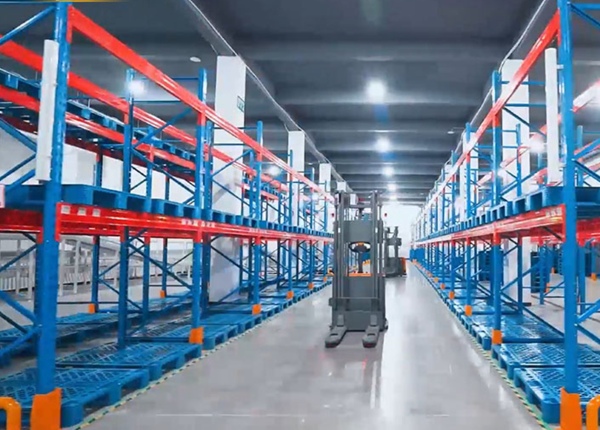
AGVs operate continuously in demanding warehouse environments, often 16–24 hours per day.
Unlike manual forklifts, even small component failures can immediately stop automated workflows.
Common consequences of poor spare parts planning include:
Sudden production line stoppages
Delayed order fulfillment
High emergency shipping costs
Increased dependency on factory support
Reduced fleet utilization rate
A well-structured spare parts inventory ensures stable uptime and predictable maintenance cycles.
For Chinese AGV forklifts and AMRs, the following components are considered high-frequency wear items:
Polyurethane drive wheels
Load-bearing caster wheels
Fork rollers and bearings
Hydraulic seals and gaskets
Hydraulic filters
Safety scanner covers
LiDAR protective lenses
Emergency stop buttons
Industrial relays
Fuses and circuit breakers
Charging contact pads
Battery connectors
The most critical downtime risk items are usually not the motors or controllers—but low-cost consumables like wheels, relays, and sensors.
Polyurethane drive wheels are one of the most frequently replaced components in AMR and AGV systems.
Typical lifespan depends on usage intensity:
Light duty warehouse: 8–12 months
Standard logistics operation: 6–10 months
Heavy 24/7 operation: 4–8 months
Factors affecting wheel lifespan include:
Floor roughness and abrasion level
Load weight distribution
Operating speed and acceleration
Turning frequency
Temperature and chemical exposure
High-intensity distribution centers may require scheduled wheel replacement every 6 months to maintain optimal performance.
One of the most common mistakes in AGV maintenance is using incorrect wheel hardness (Shore hardness rating).
Chinese AGV manufacturers typically specify wheel hardness based on:
Load capacity
Floor material (epoxy, concrete, polished floors)
Noise reduction requirements
Traction needs
Typical polyurethane hardness ranges:
85A–90A: Soft, noise reduction, smooth floors
90A–95A: Standard industrial use
95A–98A: Heavy-duty, high load environments
Buyers should always request original wheel specification sheets (including hardness, diameter, and load rating) from the manufacturer before ordering replacements locally.
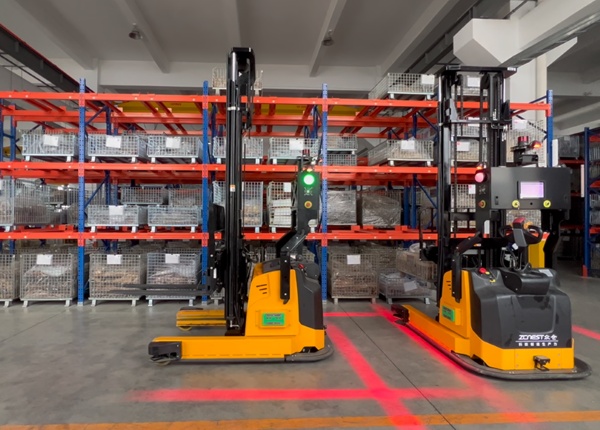
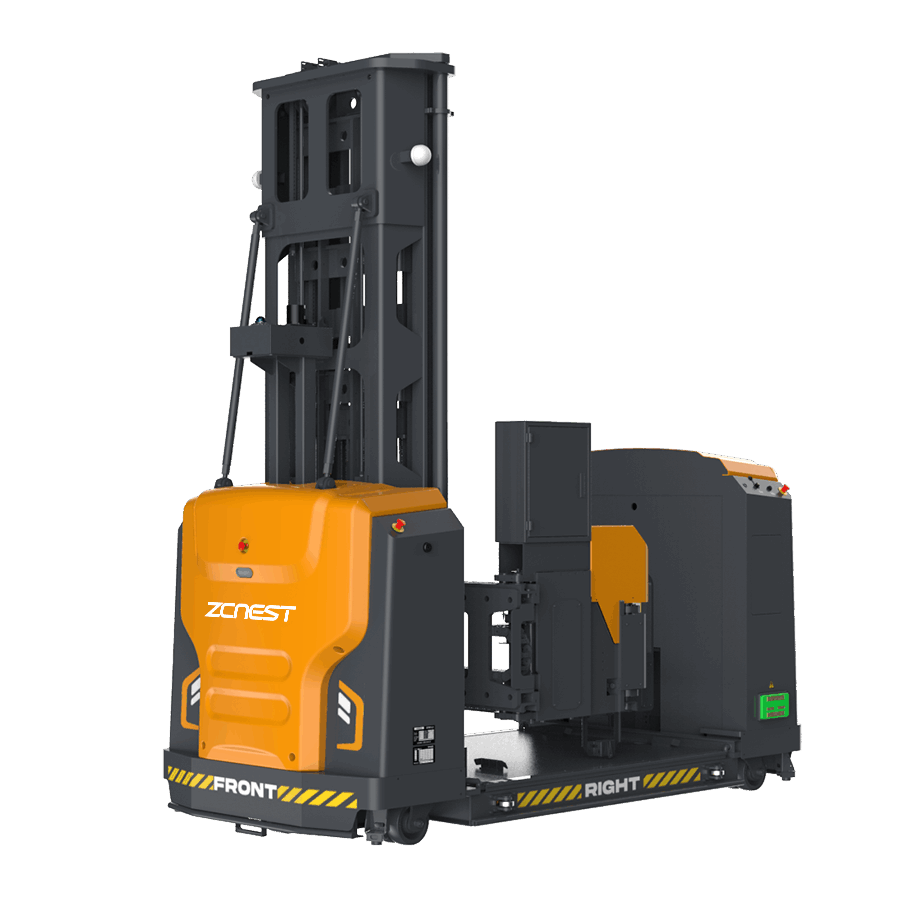
Some Chinese AGV forklifts (especially reach trucks and stacker-type AGVs) use hydraulic lifting systems.
Proper hydraulic maintenance includes checking fluid levels and contamination regularly.
Safe maintenance steps include:
Power off AGV and engage safety lock
Locate hydraulic reservoir inspection window
Check fluid level against marked indicators
Inspect for discoloration or contamination
Use manufacturer-recommended hydraulic oil grade
Flushing intervals depend on operating conditions, but typically occur every 12–24 months in industrial environments.
Electrical components are another major category of consumable parts in warehouse robots.
The most commonly replaced items include:
Industrial relays
Miniature circuit breakers (MCBs)
Fuses
Power contactors
Emergency stop switches
Power distribution modules
Failures are usually caused by:
Voltage fluctuations
Continuous switching cycles
Dust and humidity exposure
High-frequency operation loads
In high-usage AGV fleets, relays and fuses are typically treated as scheduled replacement items rather than failure-based replacements.
A balanced spare parts strategy typically includes:
Fast-moving consumables: wheels, fuses, relays, sensors
Medium-risk parts: hydraulic seals, connectors, brake pads
Critical downtime parts: LiDAR, controllers, drive modules
For most AGV deployments, maintaining 3–6 months of critical consumables locally is recommended.
What are the recommended wear-and-tear parts for this model?
What is the expected lifespan of drive wheels?
Can wheel hardness specifications be provided?
Which hydraulic fluids are approved?
What electrical components fail most frequently?
Are spare parts available locally or only from factory?
What is the recommended inventory level for uptime assurance?
Does the supplier provide a preventive maintenance schedule?
Successful AGV operations are not only about advanced automation technology but also about disciplined maintenance planning. Wear-and-tear parts such as wheels, relays, hydraulic seals, and sensors play a critical role in maintaining continuous warehouse uptime.
By establishing a structured spare parts strategy and working closely with the Chinese manufacturer for specification clarity, companies can significantly reduce downtime risk and improve long-term operational stability.
Before importing AGV forklifts from China, build a clear wear-parts strategy including wheel lifecycle, electrical consumables, hydraulic maintenance, and sensor protection. This is the foundation of reliable 24/7 automation.
FREE ENGINEERING SUPPORT Stop Gambling on Generic Platforms. Get an AGV/AMR Tailored to Your Warehouse.Buying automated guided vehicles involves complex safety standards (CE/ANSI), navigation setups (Laser SLAM), and ERP system integration. Don't risk your factory safety with middle-men. ✓ 100% Direct Factory: Customized payload up to 5 Tons. ✓ Free CAD Simulation: Send us your layout, and our engineers will simulate the optimal AGV routes. ✓ Global Support: Overseas installation guidance & local maintenance partners. |





 Chinese
 English