


This leads to common modification requests such as adding brackets, adjusting fork length, or tuning motion parameters.
But what happens to warranty coverage if the chassis is modified, welded, or mechanically altered after delivery?
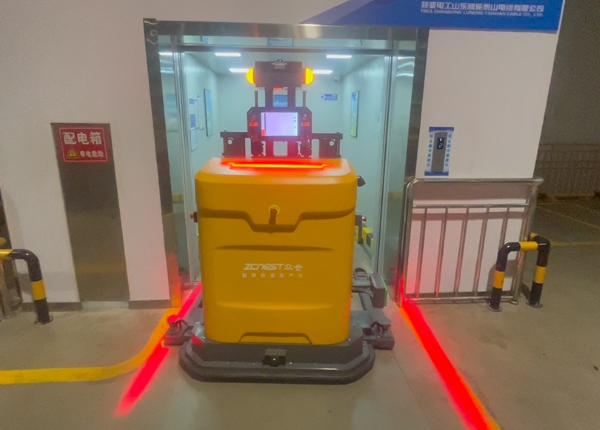
In most Chinese AGV manufacturer agreements, warranty coverage is directly linked to structural integrity and factory-approved configuration.
As a general rule:
Factory-approved modifications: warranty usually remains valid
Unapproved structural changes: warranty may be partially or fully voided
Safety-critical alterations: almost always void structural warranty
The chassis is considered a safety-certified load-bearing structure. Any modification can affect stress distribution, balance, and navigation calibration.
Yes, in most cases welding directly onto the AGV chassis without factory approval will void at least part of the warranty.
This is because welding can introduce:
Heat-induced metal deformation
Structural stress imbalance
Interference with sensor alignment reference points
Vibration pattern changes affecting navigation accuracy
Even small brackets can affect LiDAR alignment or safety zone calibration if mounted incorrectly.
Most suppliers prefer providing pre-designed mounting interfaces rather than post-delivery welding modifications.
Fork length is tightly integrated into AGV control logic, especially for pallet detection, lifting height calculation, and collision avoidance systems.
If fork length is modified without software recalibration, risks include:
Incorrect pallet pickup positioning
Docking misalignment
Load center imbalance
Reduced navigation precision
In most cases, fork modification requires:
Software parameter recalibration
Load center redefinition
Safety zone adjustment
Without these adjustments, system safety certification is no longer valid under OEM configuration.
Some Chinese AGV manufacturers allow limited parameter tuning through authorized service interfaces.
However, there is a clear distinction between:
Acceleration limits
Emergency braking curves
Load-dependent speed control
Safety zone deceleration profiles
Speed settings within safe limits
Task scheduling logic
Route optimization parameters
Unauthorized modification of safety-critical motion curves will almost always void warranty coverage.
Manufacturers typically require password-protected engineering access for deeper system tuning.
Once an AGV has been structurally or mechanically modified outside factory specifications, responsibility for safety certification shifts.
Possible certification responsibilities include:
Manufacturer: only for original configuration systems
Local integrator: for customized deployment modifications
Third-party safety authority: for re-certification of modified equipment
In many industrial environments, modified AGVs require re-validation of:
Load stability
Emergency braking performance
Sensor alignment accuracy
Navigation safety zones
After modification, the AGV is effectively treated as a new safety configuration rather than factory-standard equipment.
To avoid warranty disputes and operational risks, industrial buyers should follow a structured approach:
Request factory-approved customization options before purchase
Define all structural changes during engineering phase
Obtain written confirmation on warranty impact
Use modular mounting systems instead of welding
Require recalibration support for any geometry changes
The key principle is simple: design first, modify later only when approved.
Will chassis modification void warranty coverage?
Are welded brackets allowed by manufacturer?
Can fork length be customized at factory level?
Which software parameters are locked vs editable?
Is recalibration required after mechanical changes?
Who is responsible for safety certification after modification?
Can modified AGVs still receive firmware updates?
Are modular mounting options available instead of welding?
Mechanical or software modifications to AGV forklifts can significantly improve operational flexibility—but they also introduce warranty and safety complexities.
In most cases, Chinese AGV manufacturers support customization when it is defined before production. However, post-delivery structural changes such as welding, fork modification, or acceleration tuning without approval typically shift responsibility away from the manufacturer.
Before modifying any AGV forklift from China, ensure all changes are approved, documented, and recalibrated. In industrial automation, safety certification and warranty protection depend on configuration discipline.
FREE ENGINEERING SUPPORT Stop Gambling on Generic Platforms. Get an AGV/AMR Tailored to Your Warehouse.Buying automated guided vehicles involves complex safety standards (CE/ANSI), navigation setups (Laser SLAM), and ERP system integration. Don't risk your factory safety with middle-men. ✓ 100% Direct Factory: Customized payload up to 5 Tons. ✓ Free CAD Simulation: Send us your layout, and our engineers will simulate the optimal AGV routes. ✓ Global Support: Overseas installation guidance & local maintenance partners. |




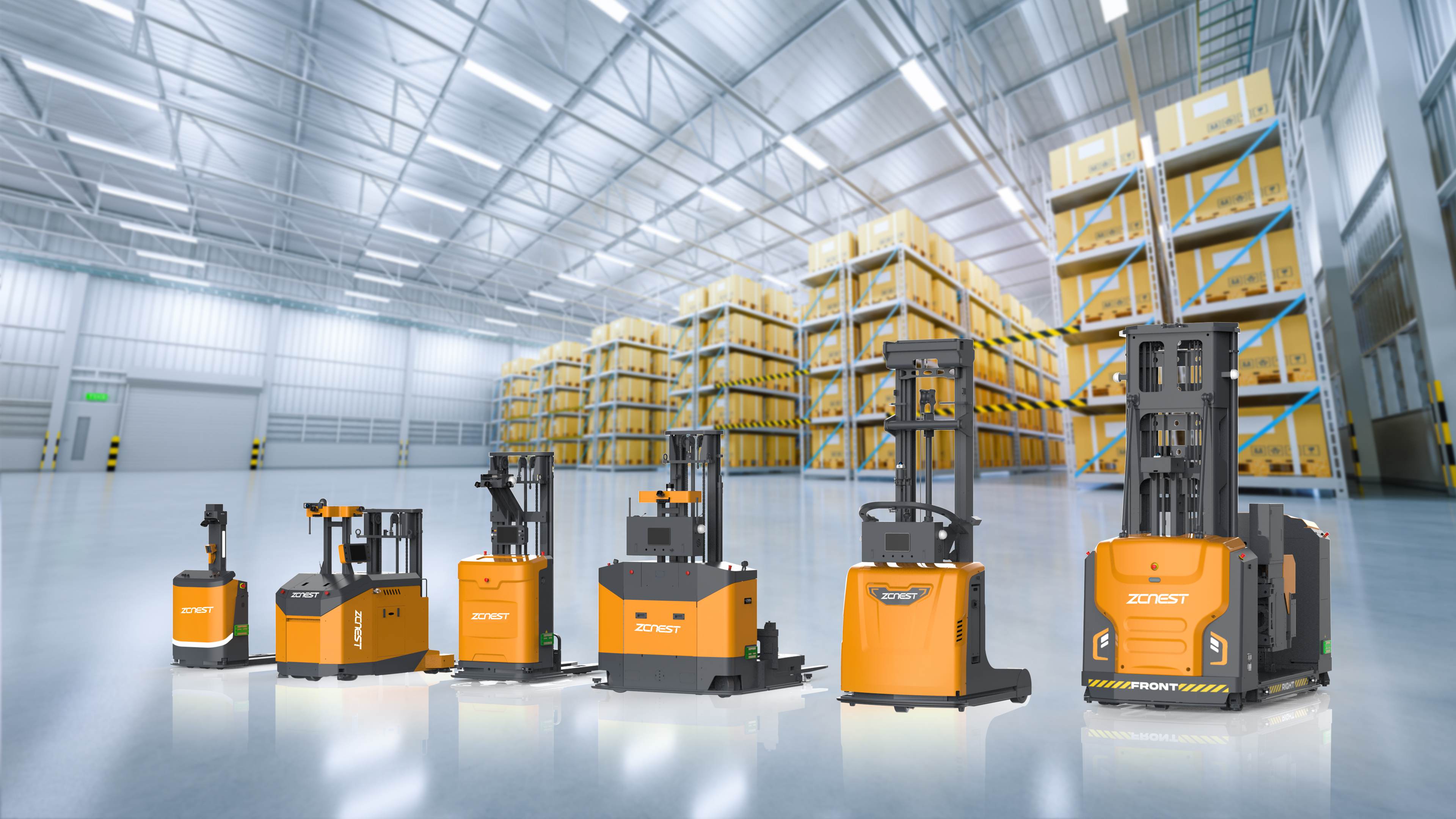
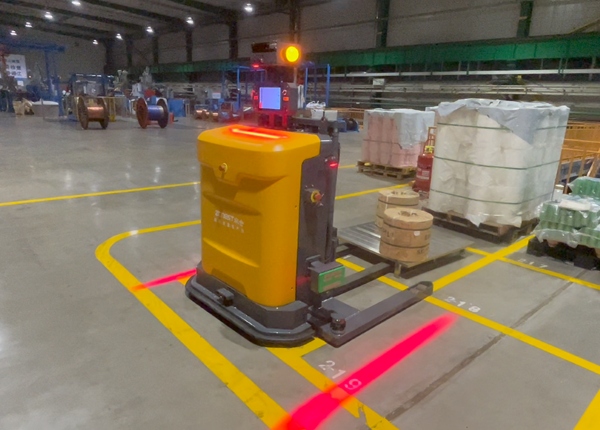
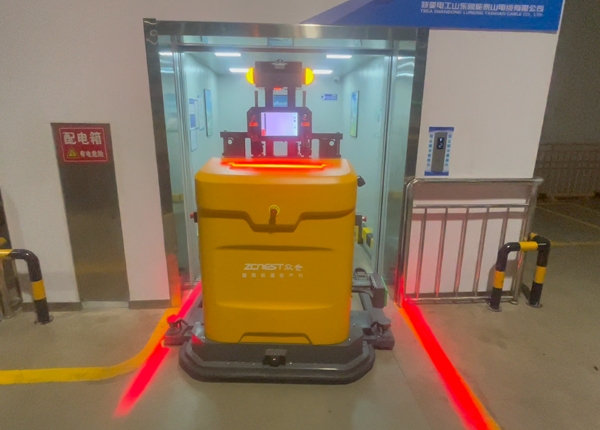







 Chinese
 English




