


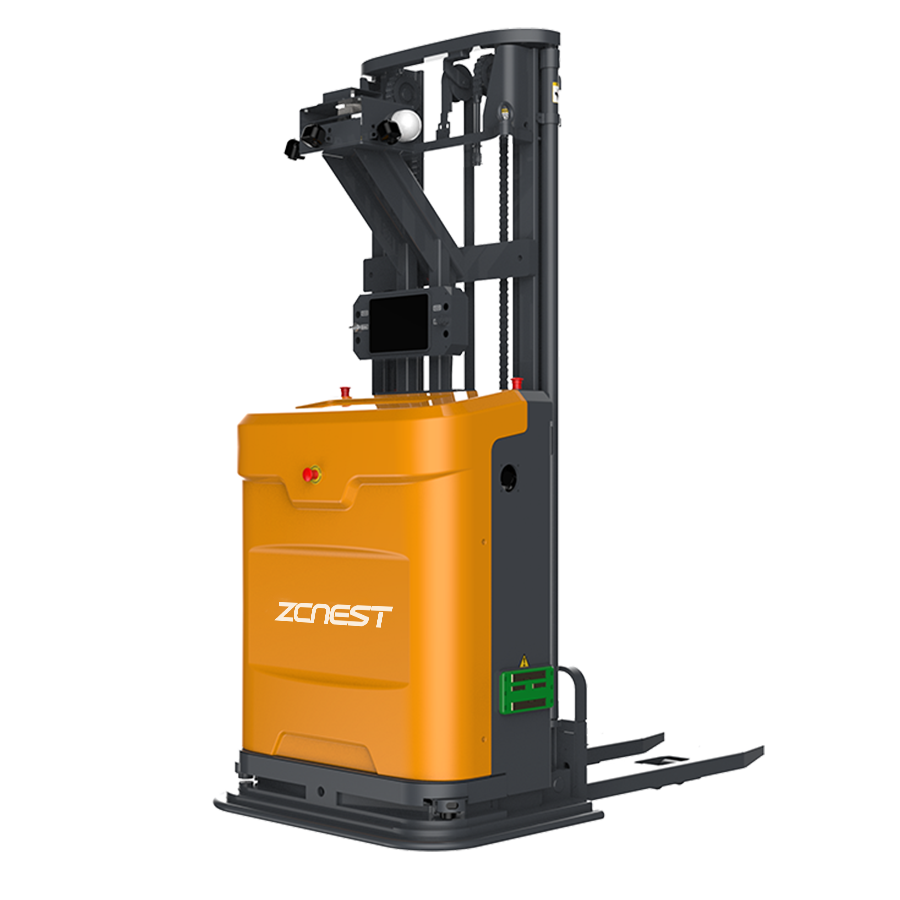
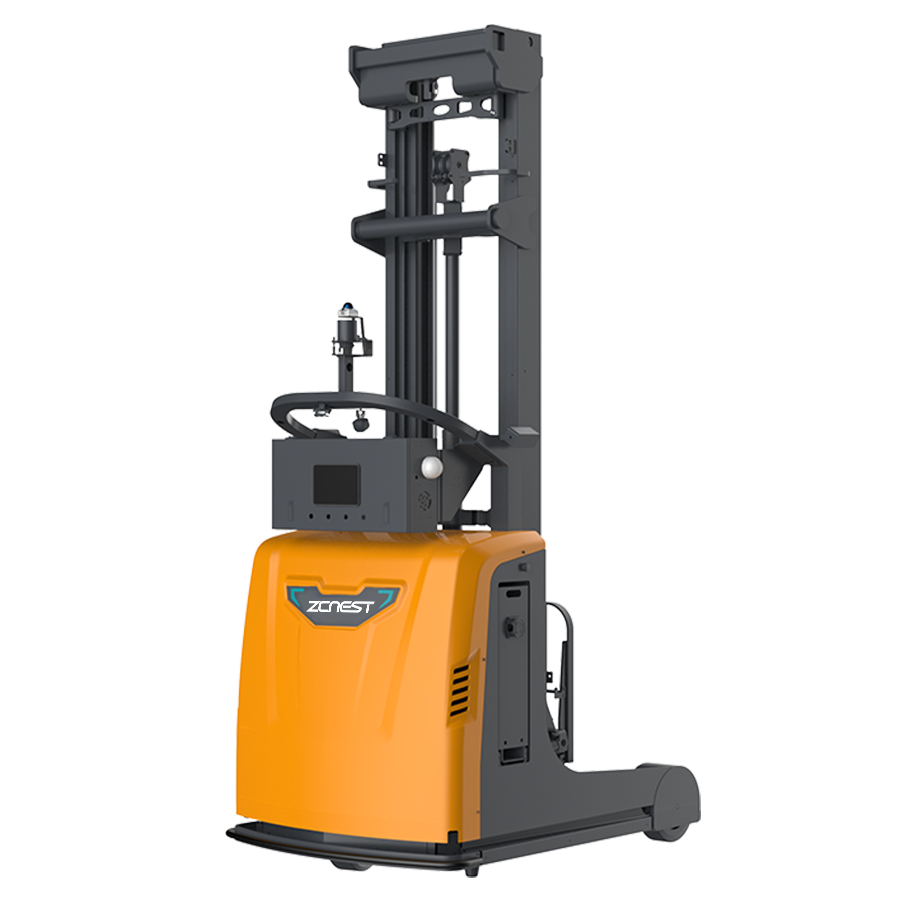
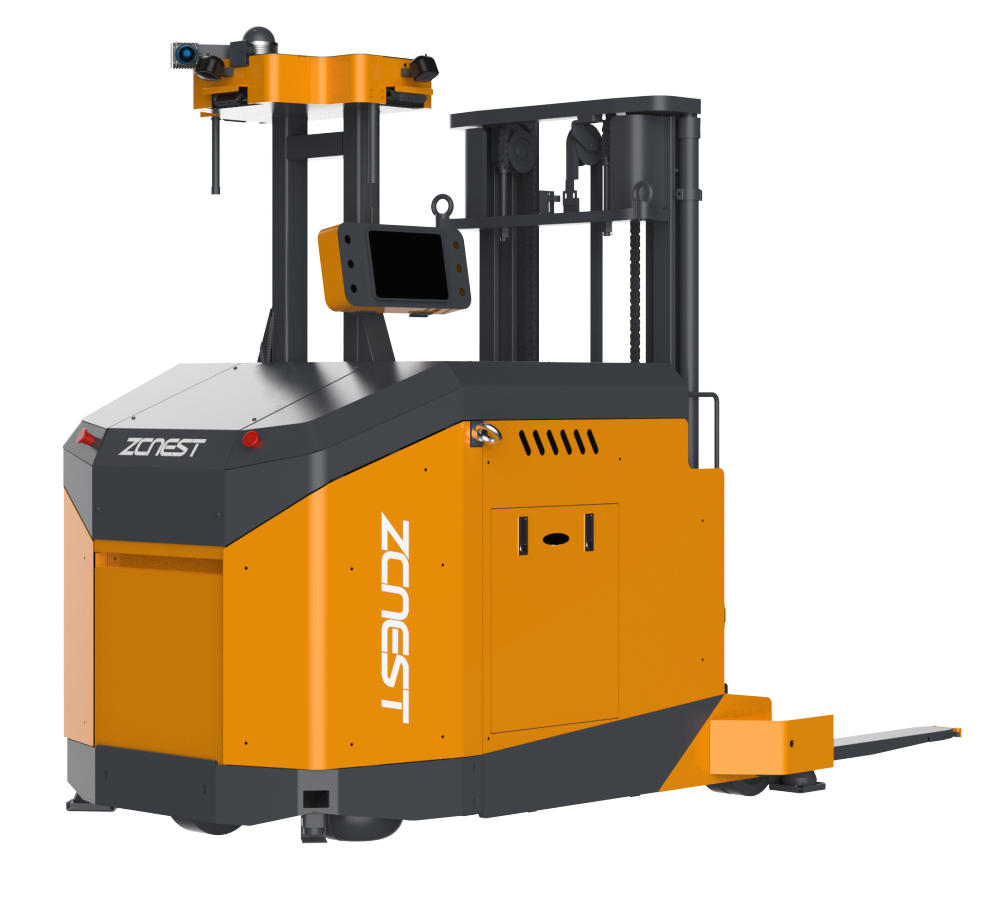
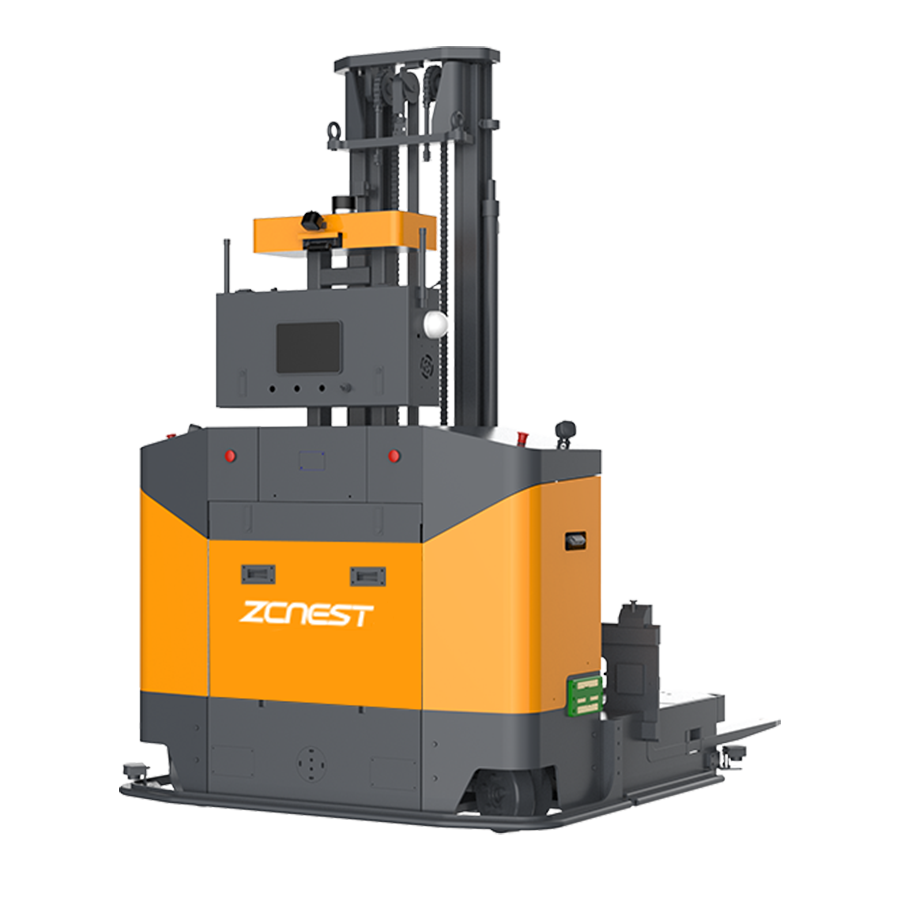
The global logistics landscape is undergoing a fundamental shift. For decades, manual forklifts have been the backbone of warehouse logistics. However, modern supply chains in 2026 demand higher levels of efficiency, traceability, and scalability. Autonomous Mobile Robot (AMR) forklifts are emerging as a viable replacement for conventional forklift fleets.
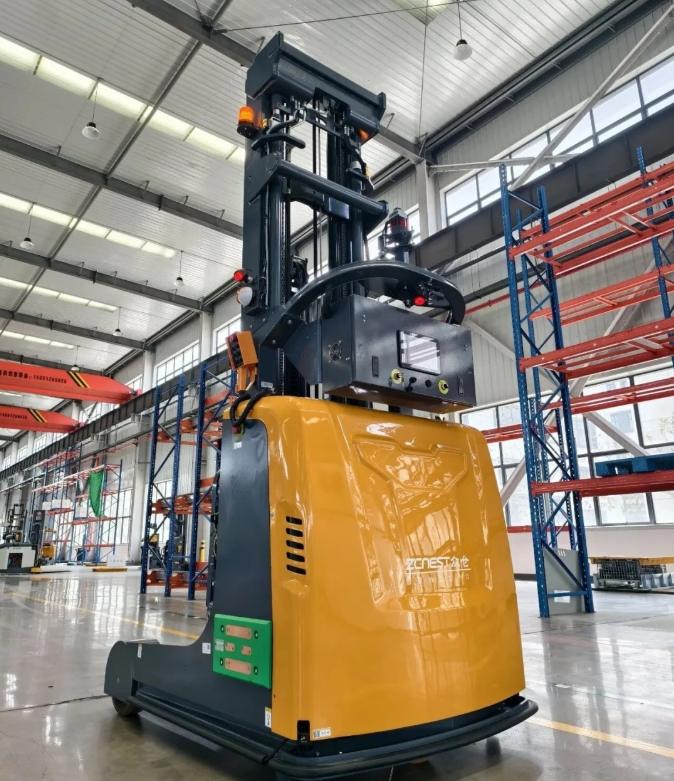
Manual forklifts rely heavily on human operators, which introduces several operational constraints that become more pronounced as warehouse throughput increases:
Inconsistent Productivity: Human performance fluctuates based on fatigue and shifts.
Safety Risks: Manual operation remains the primary cause of warehouse accidents.
High Training Costs: Constant recruitment and training due to high labor turnover.
Labor Scheduling Challenges: Difficulty in scaling workforce during peak demand.
AMR forklift systems address these limitations through intelligent automation and infrastructure-free navigation:
| Solution Feature | Operational Benefit |
|---|---|
| Autonomous Navigation | Robots navigate independently using digital maps, bypassing obstacles dynamically. |
| Centralized Fleet Control | Multiple robots coordinate tasks through a single management system for maximum flow. |
| Real-Time Data Tracking | Every pallet movement is logged automatically, providing 100% inventory traceability. |
While the initial investment may appear significant, long-term savings are often substantial. Areas of cost reduction include:
Labor expenses and accident-related damages.
Operational downtime and training costs.
Several industries are driving this adoption, including E-commerce fulfillment, Automotive manufacturing, Consumer goods, and Pharmaceutical warehouses. Each sector benefits from improved material flow and predictable ROI.
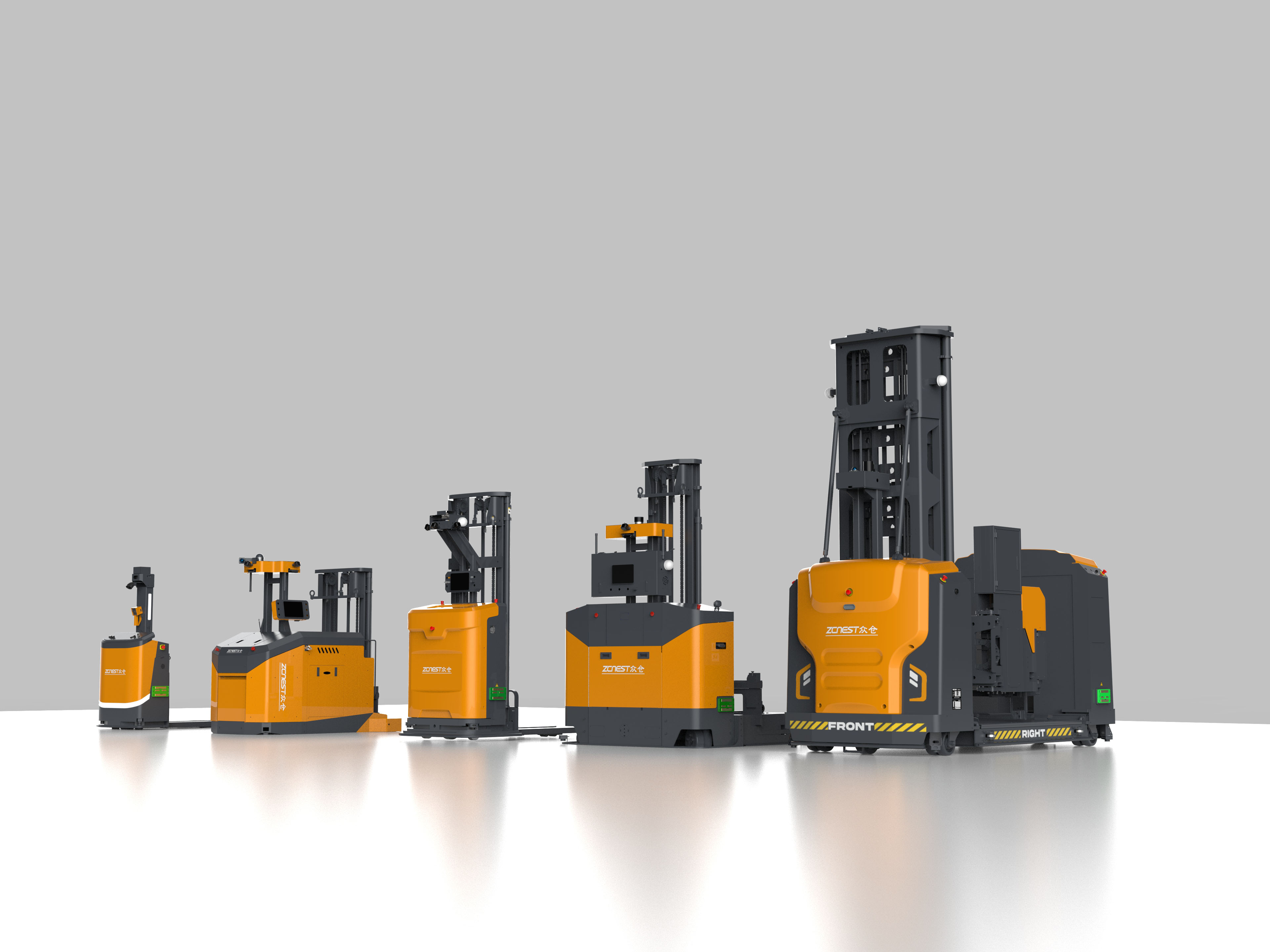
The shift from manual forklifts to AMR forklift robots represents a broader trend toward autonomous logistics systems. As warehouse automation becomes essential for competitive supply chains, robotic forklifts will continue to replace traditional material handling equipment to ensure a more resilient digital workforce.





 Chinese
 English