


The rise of AMR robots marks a transition from rigid, fixed automation to adaptive, intelligent logistics. ZCNEST analyzes how this technology redefines operational flexibility for the modern warehouse.
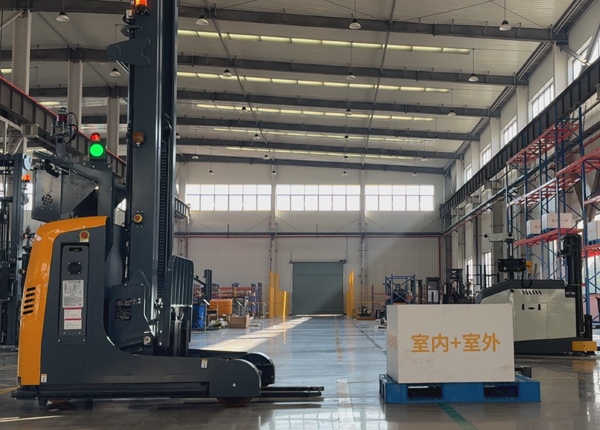
Definition
An AMR (Autonomous Mobile Robot) is a robotic system that navigates independently using onboard sensors and software, requiring no fixed physical infrastructure like magnetic tape or tracks.
Dynamic Path Planning
Real-time Obstacle Avoidance
Autonomous Mapping & Rerouting
Traditional: Rigid, Infrastructure-heavy, Difficult to modify.
AMR-based: Flexible, Highly scalable, Rapid deployment.
Adaptability
Responds instantly to changing warehouse layouts.
Scalability
Expand fleets incrementally as demand fluctuations occur.
Optimization
Reduces system rigidity through continuous data feedback.
"The real value of AMR technology is not just automation—it is the creation of self-optimizing logistics systems."
Q: Are AMRs better than AGVs?
It depends on the use case. AMRs offer higher flexibility for dynamic environments, while AGVs excel in extremely stable, repetitive flows.
Q: Do AMRs need infrastructure changes?
Infrastructure requirements are minimal compared to traditional systems, relying on digital mapping rather than physical guides.
📖 AGV Forklift Guide — Essential manual for selection and safety.
⚙️ How AGV Systems Work — A deep dive into navigation and logic.
⚖️ AGV vs. AMR Comparison — Choosing the right technology for your facility.
💰 AGV Cost and ROI — Evaluating investment and payback periods.





 Chinese
 English