


The debate between AMR and AGV is often oversimplified. The real strategic difference is not in how they move, but in how each system handles operational change. ZCNEST decodes which system fits your long-term growth.
| Feature | AMR | AGV |
|---|---|---|
| Navigation | Dynamic | Fixed |
| Flexibility | High | Low |
| Setup | Fast (Digital) | Infrastructure-heavy |
| Adaptability | Strong | Limited |
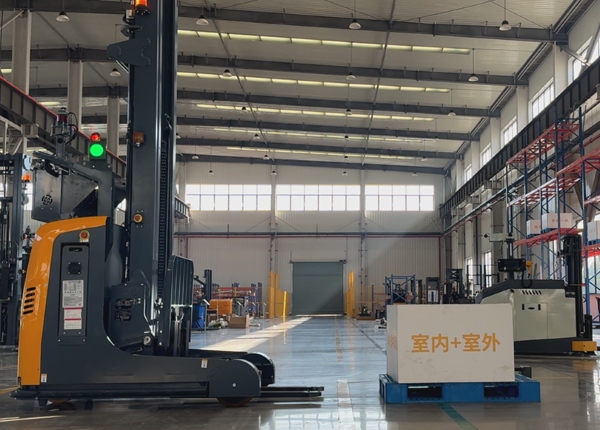
AGVs follow predefined paths (magnetic or optical), while ZCNEST AMR robots calculate optimal routes in real-time based on live environmental mapping.
When blocked, an AGV will stop and wait for clearance. An AMR identifies the obstruction and automatically reroutes to keep the material flow moving.
Your workflows are highly repetitive and the facility environment is expected to remain stable for 3-5 years.
You operate in a dynamic layout with frequent scalability needs and a requirement for rapid system deployment.
"AGV optimizes efficiency in stability.
AMR optimizes efficiency in change."
Q: Is AMR always better than AGV?
No. For extremely simple, fixed, and large-scale loops, AGVs can provide a more cost-effective solution.
Q: Which is cheaper?
AGVs typically have lower upfront vehicle costs, but AMRs often yield better long-term ROI in dynamic environments due to lower infrastructure maintenance.
📖 AGV Forklift Guide — Essential manual for selection and safety.
⚙️ How AGV Systems Work — A deep dive into navigation and logic.
⚖️ AGV vs. AMR Comparison — Choosing the right technology for your facility.
💰 AGV Cost and ROI — Evaluating investment and payback periods.





 Chinese
 English