


The terms AMR and AGV are often used interchangeably, yet their core navigation DNA is fundamentally different. ZCNEST clarifies the distinction to help you select the system that aligns with your facility's future.
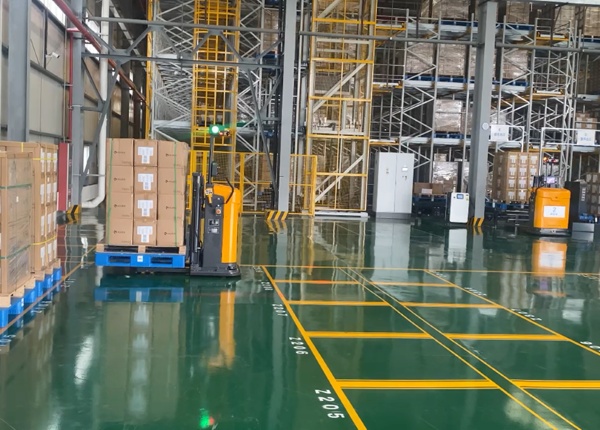
AGV (Guided)
◈ Fixed Routes: Magnetic tape or reflectors.
◈ Limited Adaptability: Stops for obstacles.
◈ Infrastructure Dependent: Requires floor prep.
AMR (Autonomous)
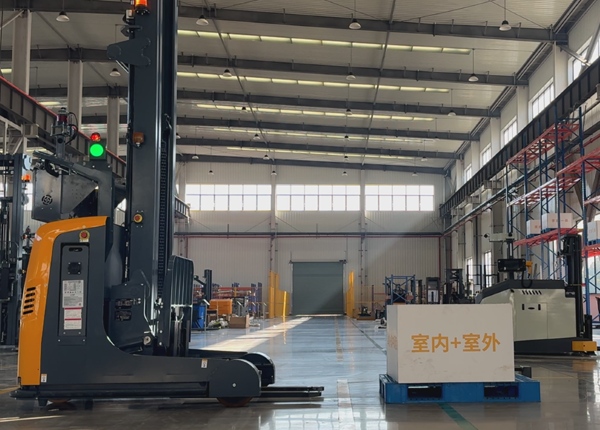
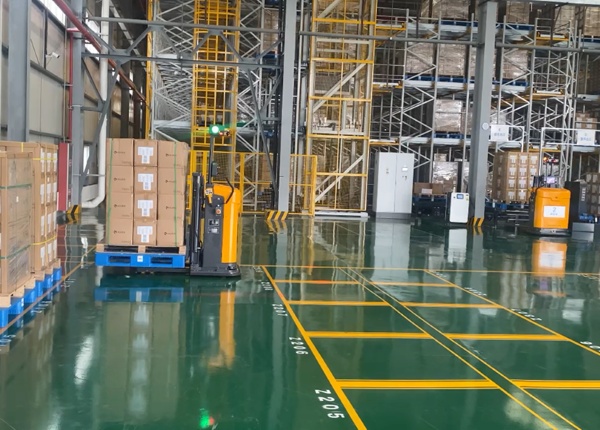
◈ Dynamic SLAM: Real-time path planning.
◈ High Adaptability: Navigates around obstacles.
◈ Mapping Only: Zero infrastructure impact.
Choosing between AMR or AGV solutions depends on the predictability of your workspace:
Mixed traffic, dynamic layouts, and frequently changing material workflows.
Stable, repetitive processes with fixed pick-and-drop points and low obstacle variance.
"The real decision is not about technology—it is about the Stability of Your Operations."
Which is more expensive?
AMR forklifts typically have higher upfront costs due to advanced sensors, but lower long-term modification costs.
Which is easier to maintain?
AGVs are mechanically simpler, but AMRs offer greater flexibility when reconfiguring workflows.
💡
📖 AGV Forklift Guide — Essential manual for selection and safety.
⚙️ How AGV Systems Work — A deep dive into navigation and logic.
⚖️ AGV vs. AMR Comparison — Choosing the right technology for your facility.
💰 AGV Cost and ROI — Evaluating investment and payback periods.





 Chinese
 English