


While most automation thrives in the controlled environment of a warehouse, real-world logistics often extend to yards and loading zones. ZCNEST analyzes the engineering required to transition unmanned forklifts from the aisle to the outdoors.
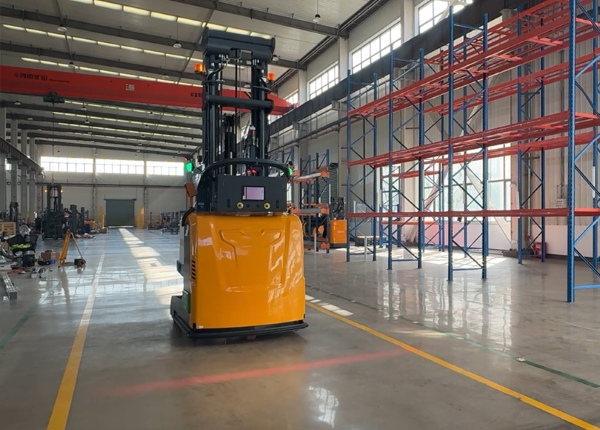
Dynamic Lighting
Solar glare and shifting shadows can blind standard vision systems without advanced HDR filtering.
Surface Instability
Uneven yard surfaces and slopes require superior suspension and high-torque traction control.
Weather Exposure
Rain, dust, and temperature extremes necessitate IP-rated sealing for all critical electronic components.
Multi-Modal Navigation
Fusion of LiDAR, 3D Vision, and differential GPS to maintain sub-centimeter accuracy where indoor landmarks are absent.
Environmental Hardening
Anti-corrosion coatings and internal thermal management systems to ensure 24/7 reliability in heat or frost.
Cross-Domain Integration
Seamless hand-off protocols as robots transition from high-density indoor racks to wide-open outdoor zones.
"Outdoor automation is less about technology maturity and more about Environmental Control."
Q: Are outdoor robots becoming common?
They are a high-growth sector. As yard management seeks the same efficiency as warehouses, outdoor-ready AMRs are becoming essential.
Q: What is the biggest operational limitation?
Variable safety perimeters. Unlike indoor zones, outdoor spaces often have less predictable human and vehicle traffic, requiring stricter safety logic.
📖 AGV Forklift Guide — Essential manual for selection and safety.
⚙️ How AGV Systems Work — A deep dive into navigation and logic.
⚖️ AGV vs. AMR Comparison — Choosing the right technology for your facility.
💰 AGV Cost and ROI — Evaluating investment and payback periods.





 Chinese
 English