


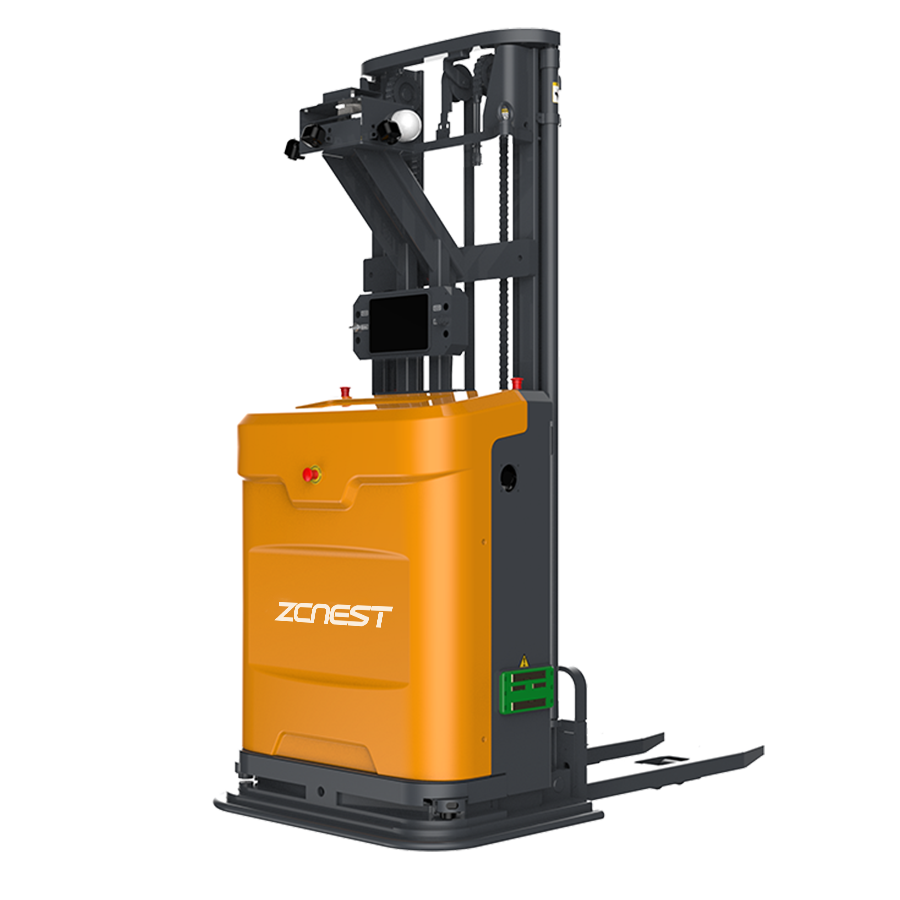
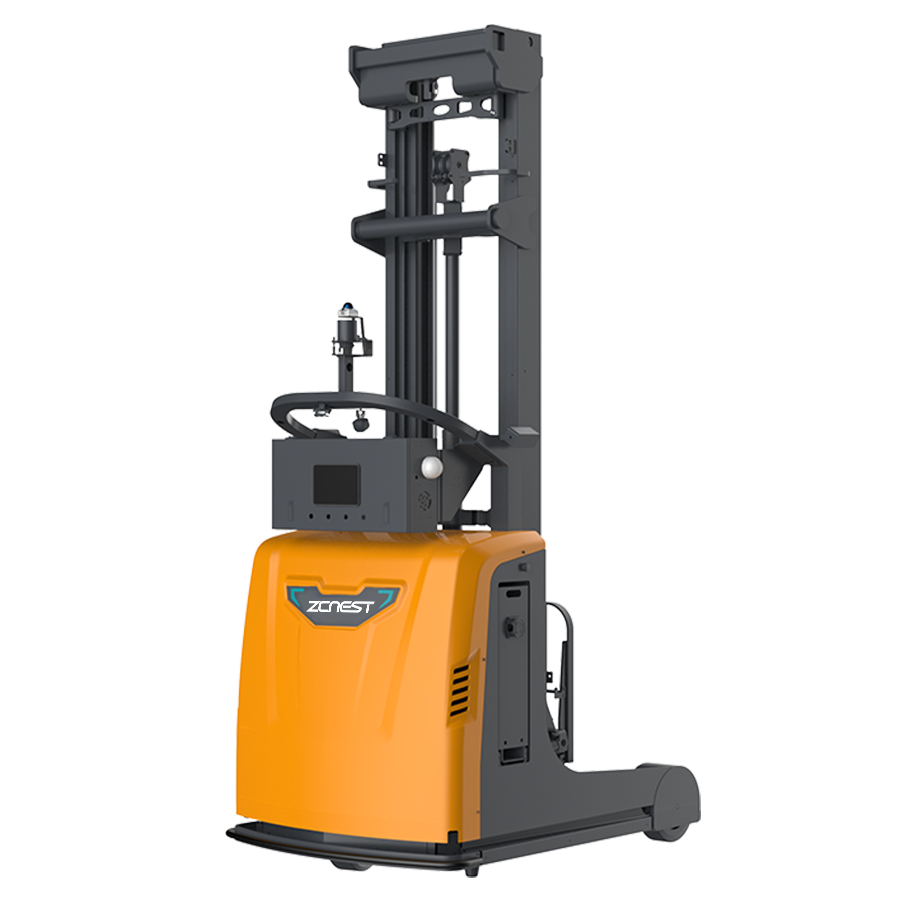
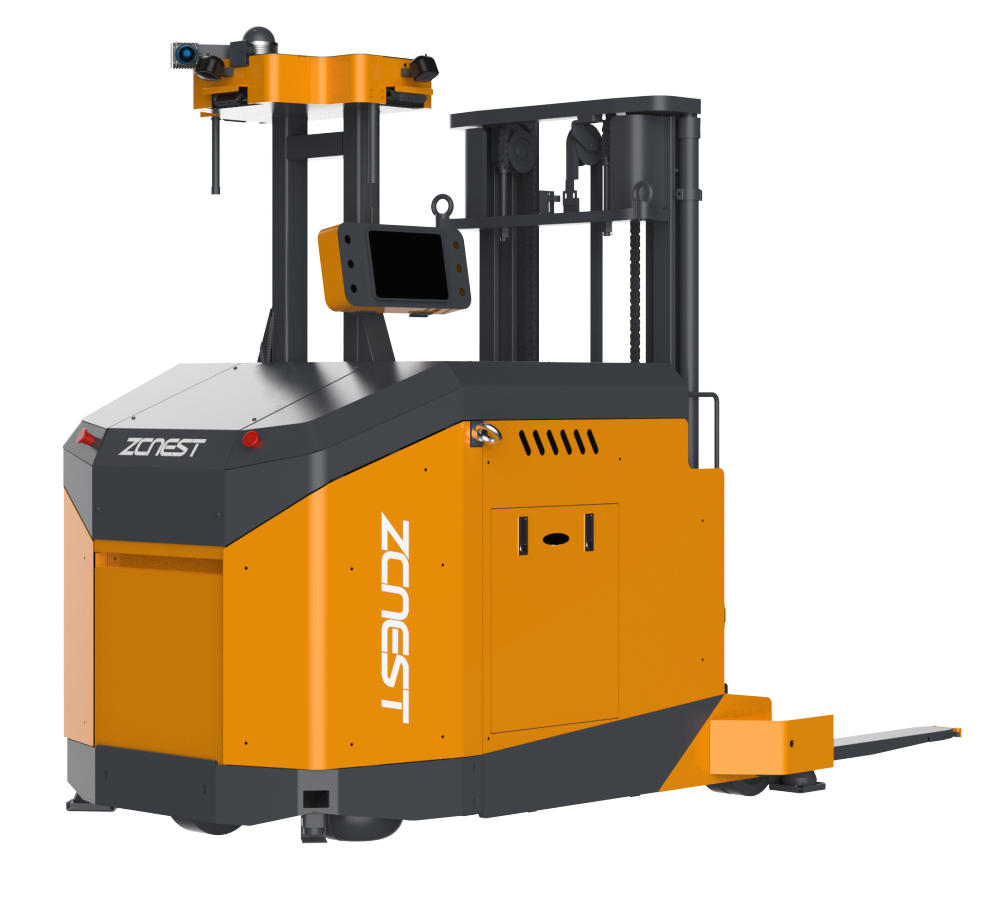
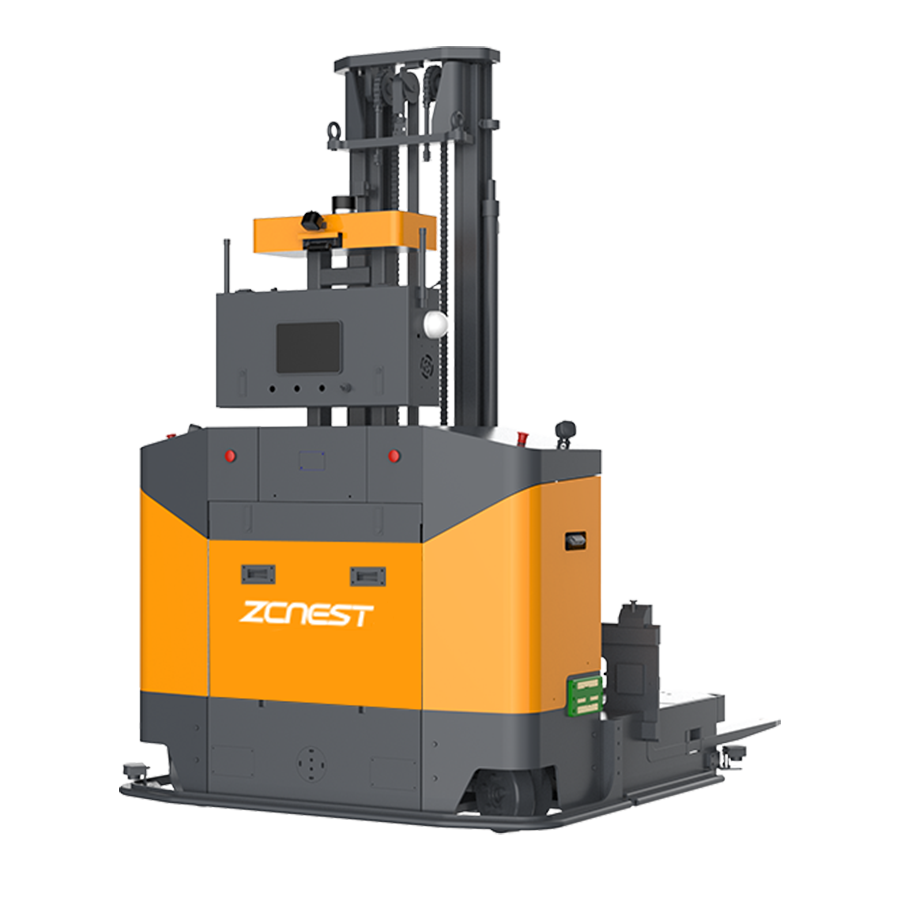
Investing in automation is often motivated by labor savings, yet the true economic impact is more nuanced than simple staff reduction. ZCNEST redefines how unmanned forklift technology reallocates human capital and eliminates operational waste.
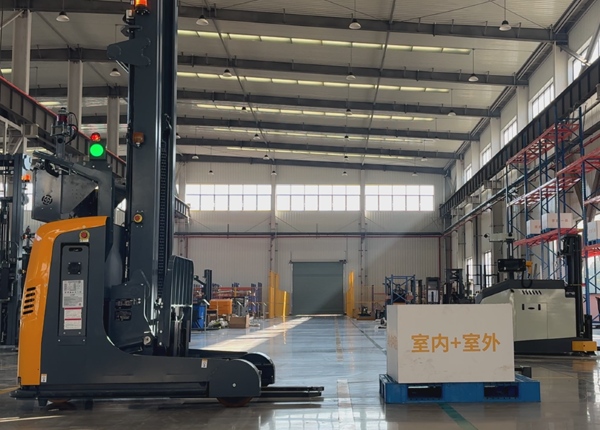
Direct Cost Reduction
✔ Fewer dedicated forklift operators
✔ Drastic reduction in overtime pay
✔ Minimized high-turnover training costs
Indirect Value Gains
✔ Lower insurance premiums (fewer accidents)
✔ Zero product damage during transport
✔ Enhanced system-wide flow efficiency
Automation targets the invisible "time-thieves" that manual operations often overlook:
Zero Idle Time No Coordination Delays Eliminated Human Error
"The biggest savings come not from replacing workers—but from Eliminating Process Inefficiencies."
Q: Do companies typically lay off workers?
Usually, no. High-performing facilities reassign workers to complex, value-added tasks that robots cannot perform, effectively increasing total output per head.
Q: What variable affects cost savings the most?
Task frequency and workflow density. High-repetition environments see the fastest ROI through optimized autonomous cycles.
📖 AGV Forklift Guide — Essential manual for selection and safety.
⚙️ How AGV Systems Work — A deep dive into navigation and logic.
⚖️ AGV vs. AMR Comparison — Choosing the right technology for your facility.
💰 AGV Cost and ROI — Evaluating investment and payback periods.





 Chinese
 English