


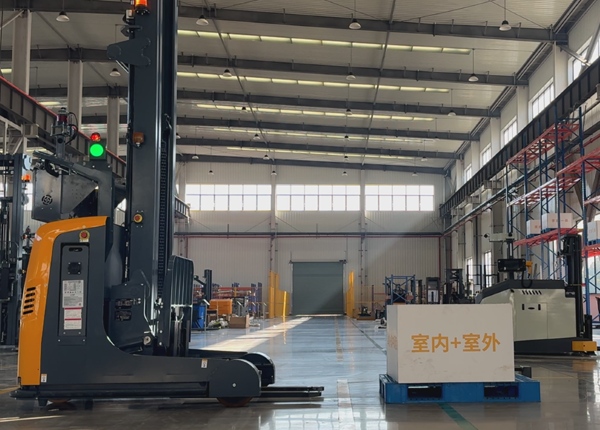
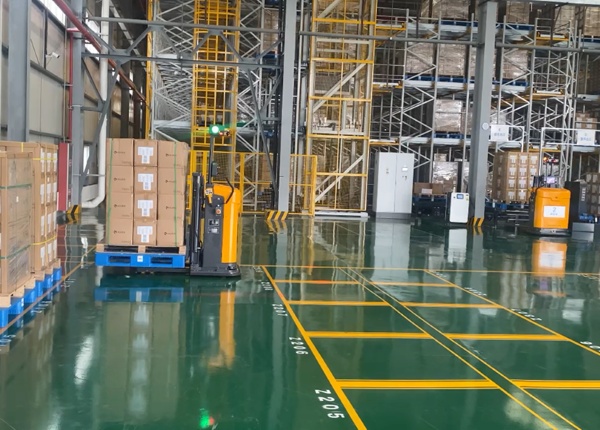
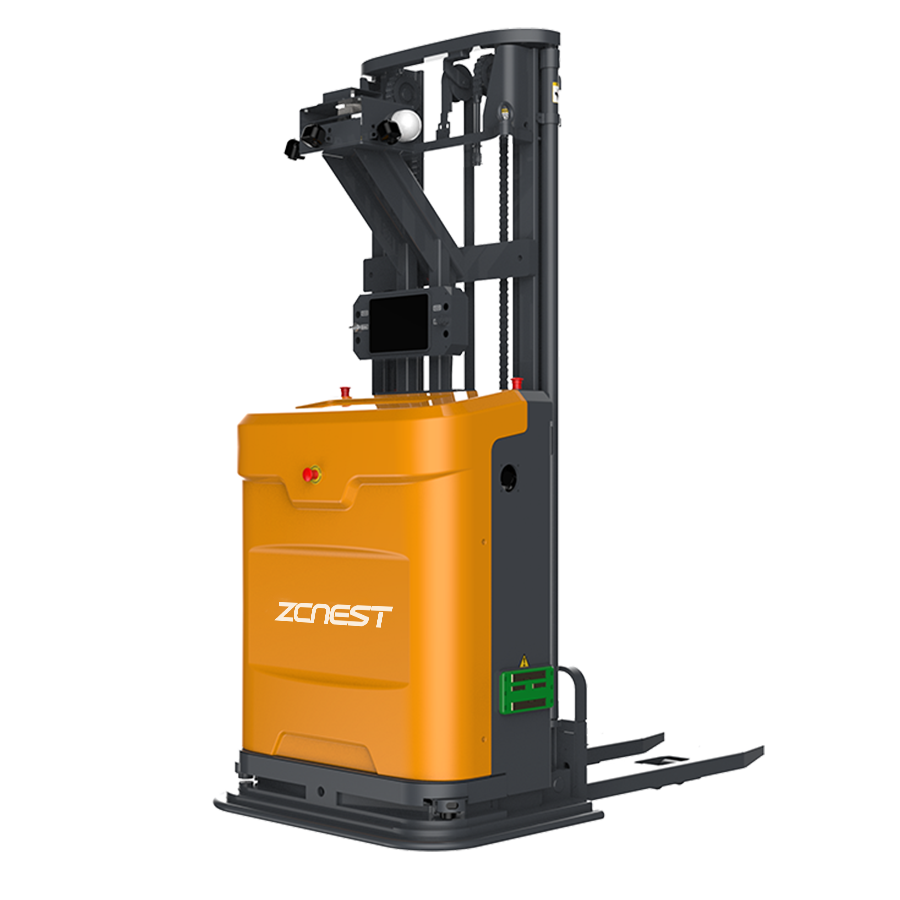
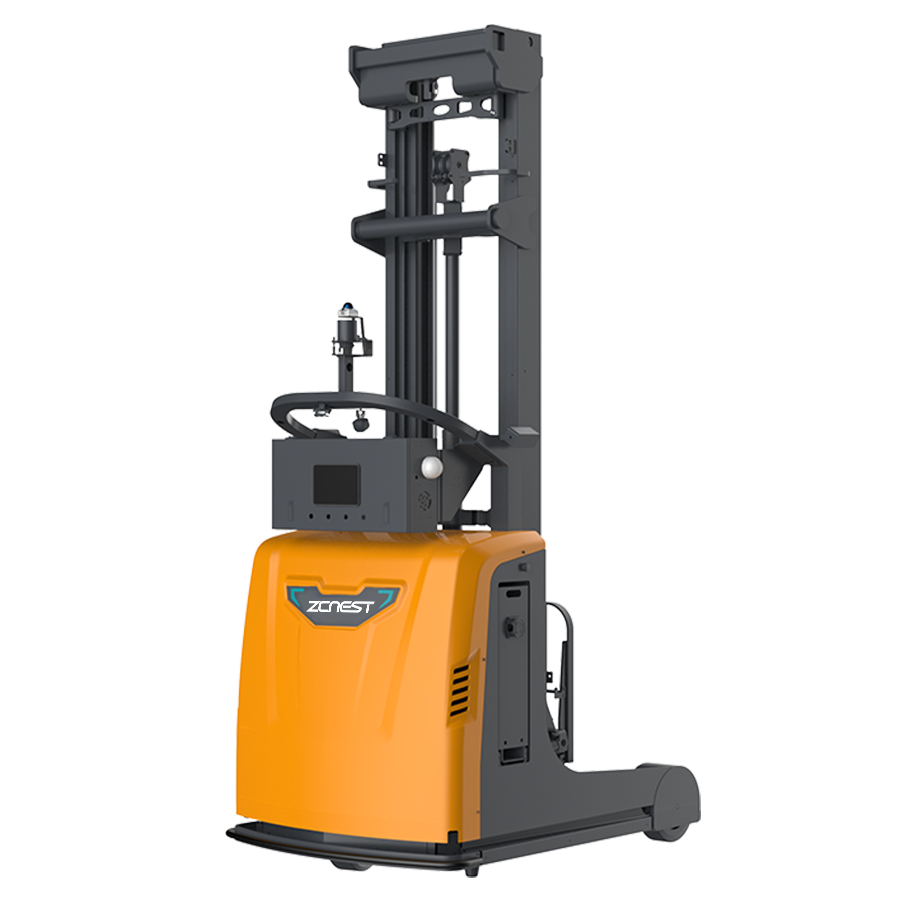
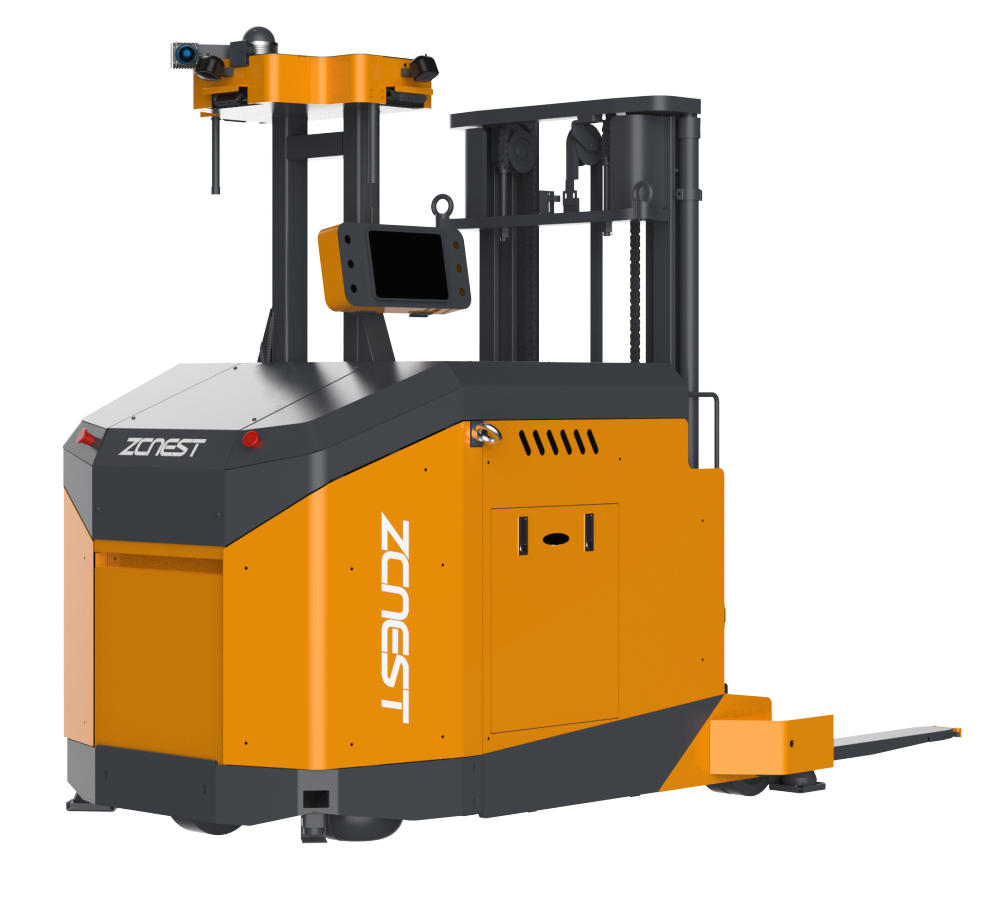
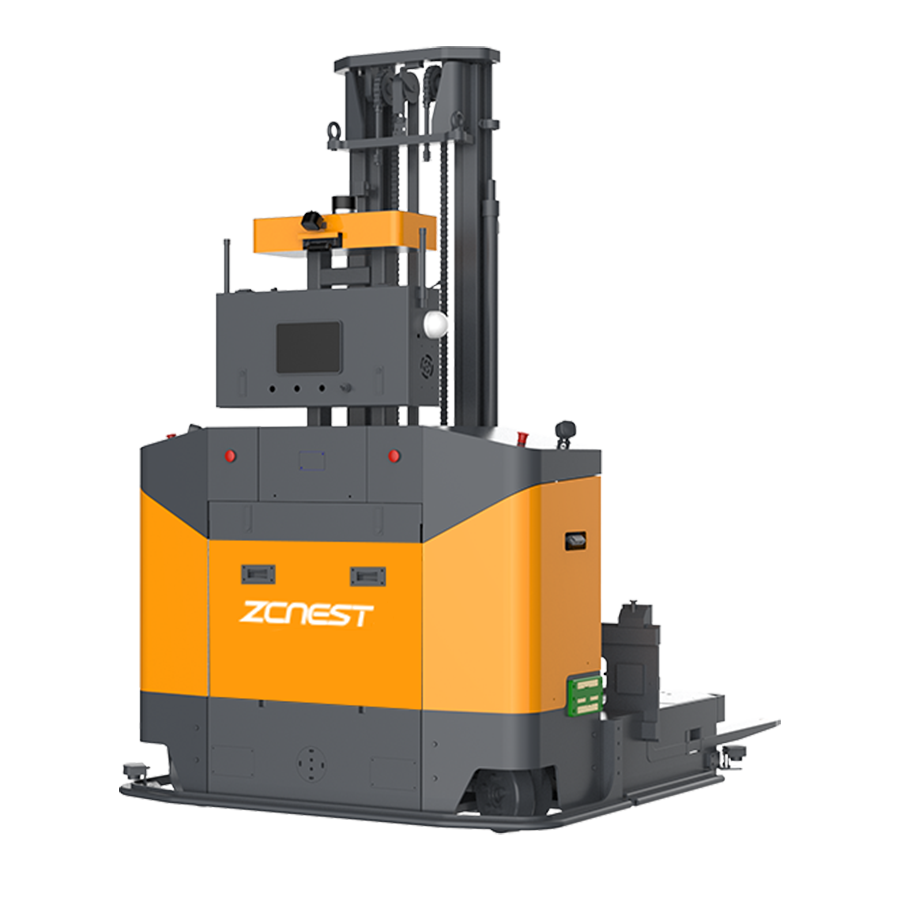
In a manual warehouse, high traffic equals high risk and compounding delays. ZCNEST analyzes how autonomous forklift swarms utilize real-time logic to navigate the chaos, turning congested aisles into streamlined flow-zones.
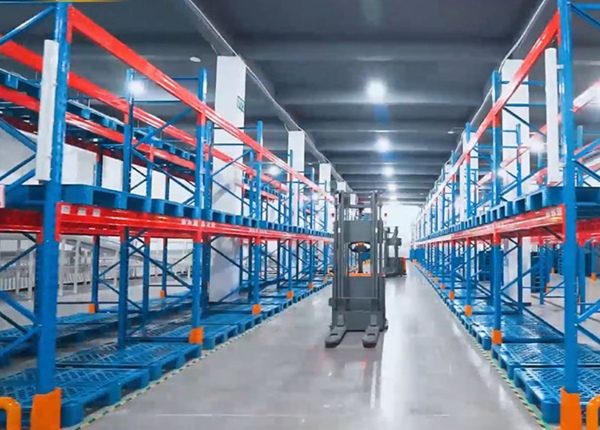
Path Blockages
Unforeseen obstructions that force traditional drivers into time-consuming back-and-forth maneuvers.
Human Variability
Unpredictable movement of personnel that requires instant safety deceleration and re-routing.
Competing Tasks
Simultaneous transport demands that create "gridlock" without centralized coordination.
1
Real-Time Obstacle Detection
Multi-sensor fusion (LiDAR + 3D Vision) monitors the environment in 360°, ensuring zero-collision interactions even in dense traffic.
2
Dynamic Path Recalculation
If an aisle is blocked, the robot instantly queries the map for the most efficient detour without human intervention.
3
Fleet Orchestration
Centralized Fleet Management Systems manage intersections and right-of-way, preventing robots from competing for the same space.
"Automation does not just eliminate congestion—it makes congestion Visible and Manageable."
Q: Do robots collide in high-traffic zones?
Technically, no. Unlike human drivers who may experience blind spots, robots have continuous spatial awareness and are hard-coded to stop if a safety perimeter is breached.
Q: Can robots really outperform human drivers in traffic?
In structured environments, yes. They communicate at light speed to coordinate passage, eliminating the "hesitation" and "negotiation" common between manual operators.
📖 AGV Forklift Guide — Essential manual for selection and safety.
⚙️ How AGV Systems Work — A deep dive into navigation and logic.
⚖️ AGV vs. AMR Comparison — Choosing the right technology for your facility.
💰 AGV Cost and ROI — Evaluating investment and payback periods.





 Chinese
 English