


Automation is not a replacement of people, but a promotion of human potential. ZCNEST examines how autonomous forklift implementation shifts the focus from manual operation to high-value system orchestration.
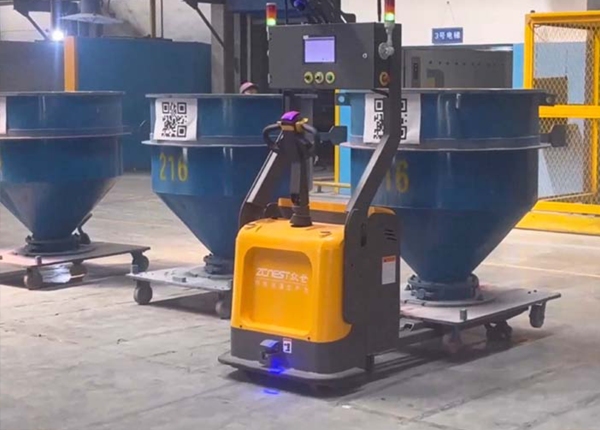
System Orchestration
Moving from driving a vehicle to monitoring a fleet. Operators learn to manage task queues and digital warehouse maps.
Exception Management
Developing critical thinking to resolve "stalls" where robots encounter unstandardized obstacles or data errors.
Technical Maintenance
Routine sensor calibration and basic troubleshooting, transforming drivers into entry-level automation technicians.
◈ Cultural Resistance: Addressing the fear of tech-driven displacement.
◈ Technical Curve: Bridging the gap for workers unfamiliar with digital interfaces.
◈ Cross-Functionality: Integrating maintenance knowledge with workflow logic.
"Technology provides the capability, but your workforce provides the continuity. A machine is only as efficient as the person managing its exceptions."
"Automation does not remove jobs—it Transforms Them into higher-skill roles."
Q: Do workers need previous technical backgrounds?
Generally, no. Modern fleet management interfaces are designed for usability. Basic computer literacy and a focused training program are typically sufficient.
Q: How long does the transition period take?
Hands-on training usually lasts a few days to two weeks. However, full operational proficiency develops over the first 30 days of live deployment.
📖 AGV Forklift Guide — Essential manual for selection and safety.
⚙️ How AGV Systems Work — A deep dive into navigation and logic.
⚖️ AGV vs. AMR Comparison — Choosing the right technology for your facility.
💰 AGV Cost and ROI — Evaluating investment and payback periods.











 Chinese
 English




