

In the world of automation, the "Sticker Price" is just the tip of the iceberg. To build a sustainable ROI, you must look at the Total Cost of Ownership (TCO). ZCNEST breaks down where your capital actually goes.
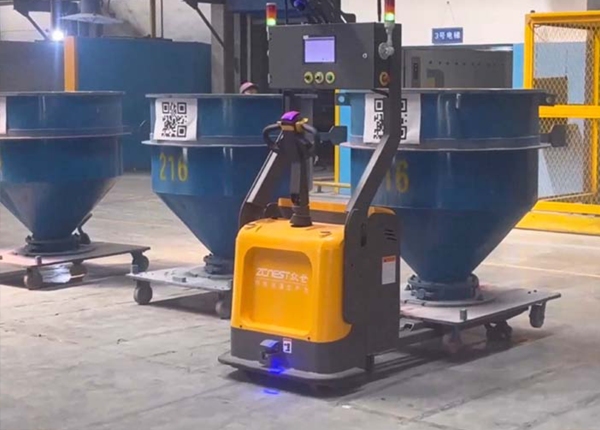
Direct Capital (The Visible)
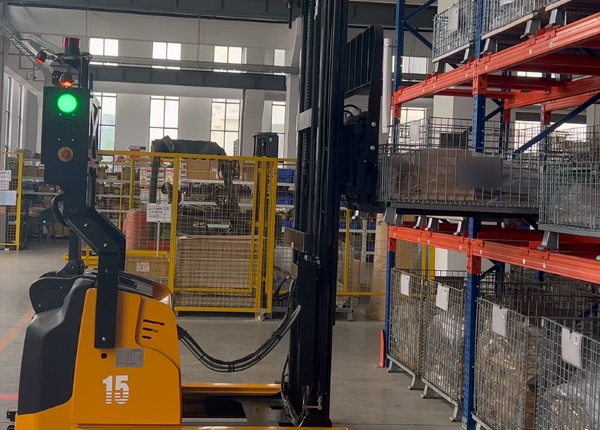
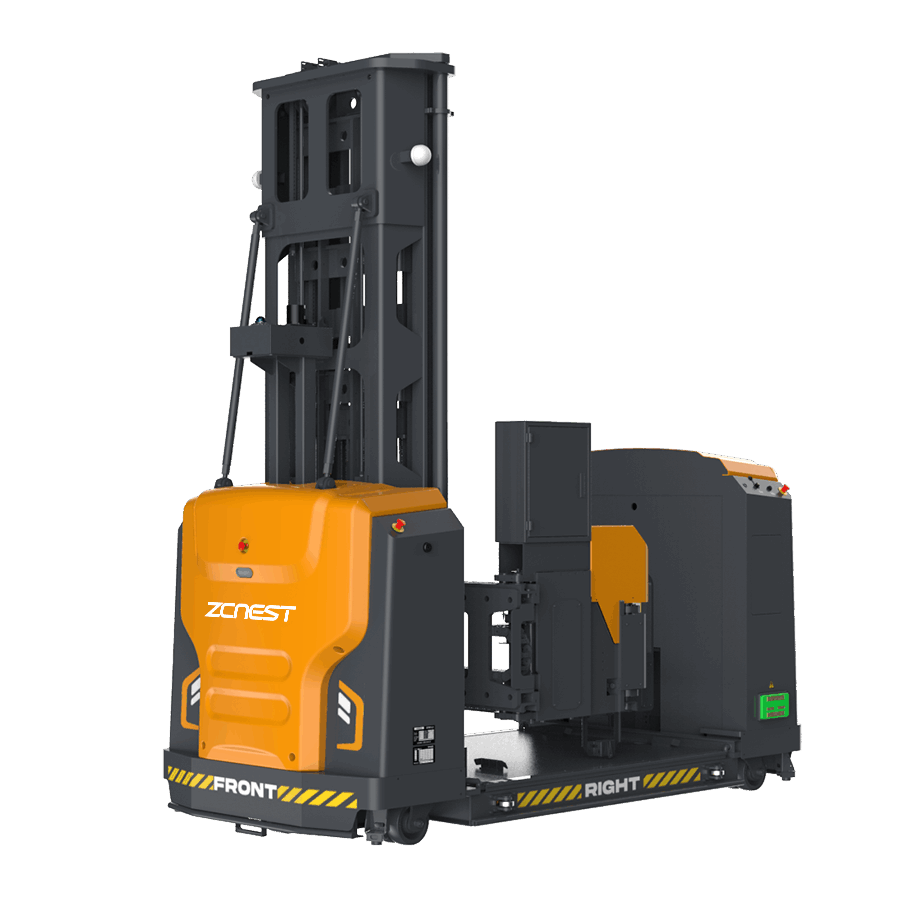
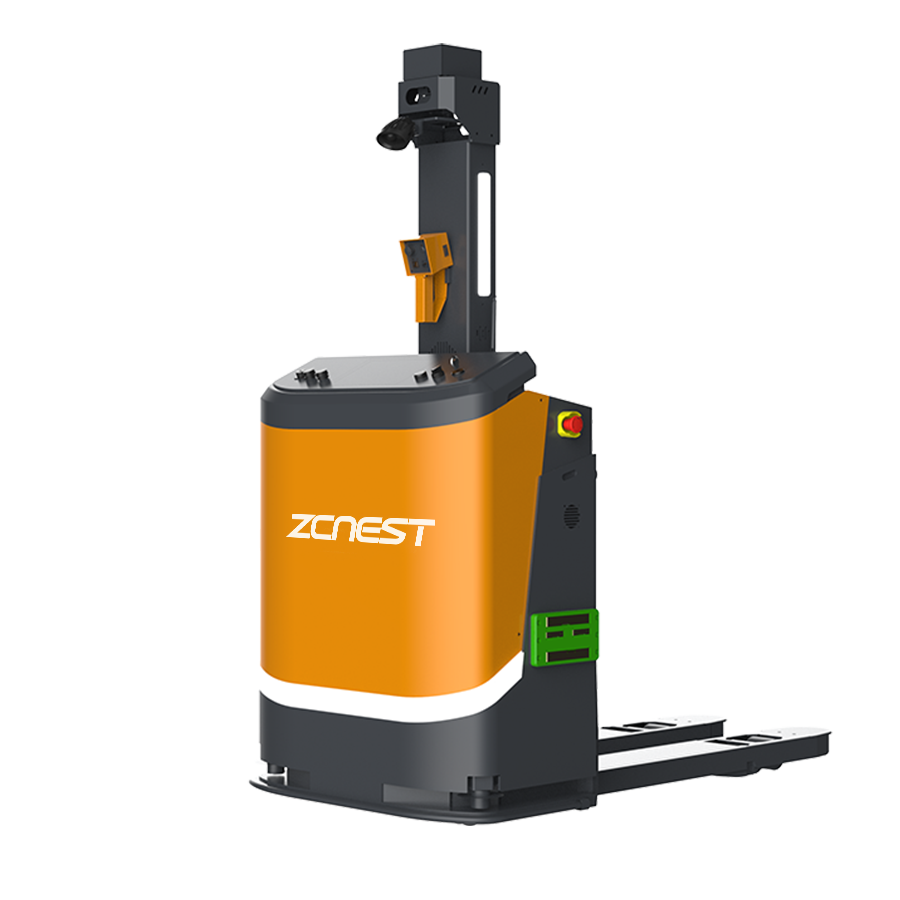
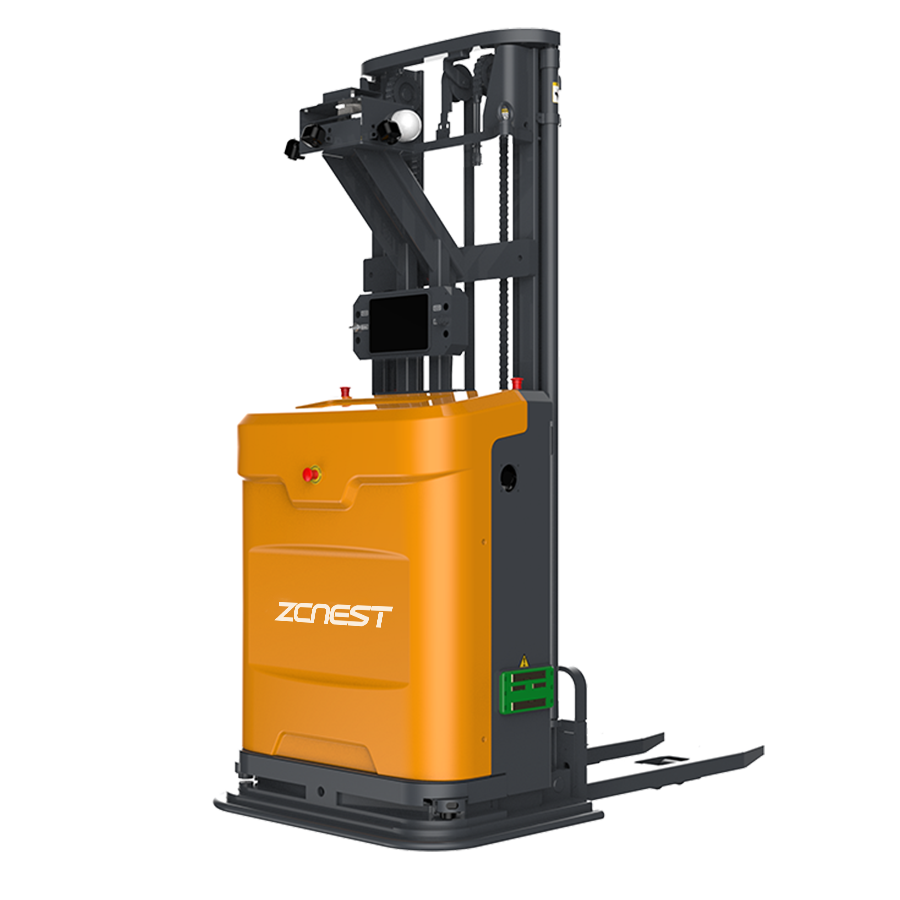
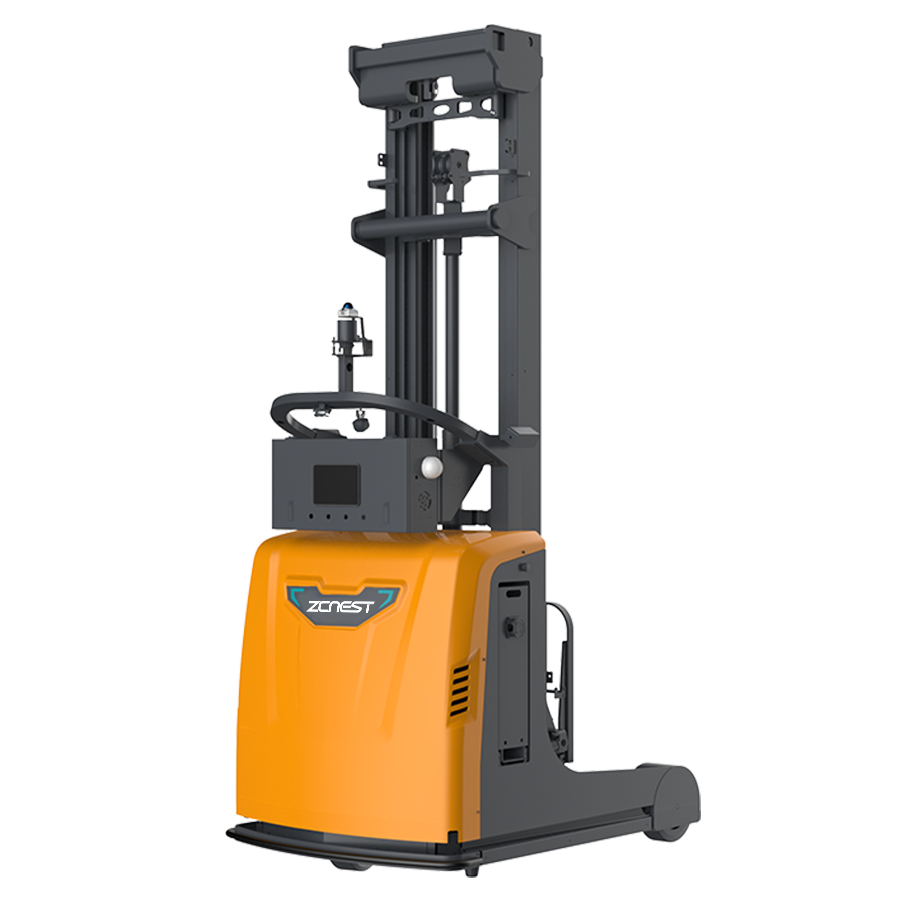
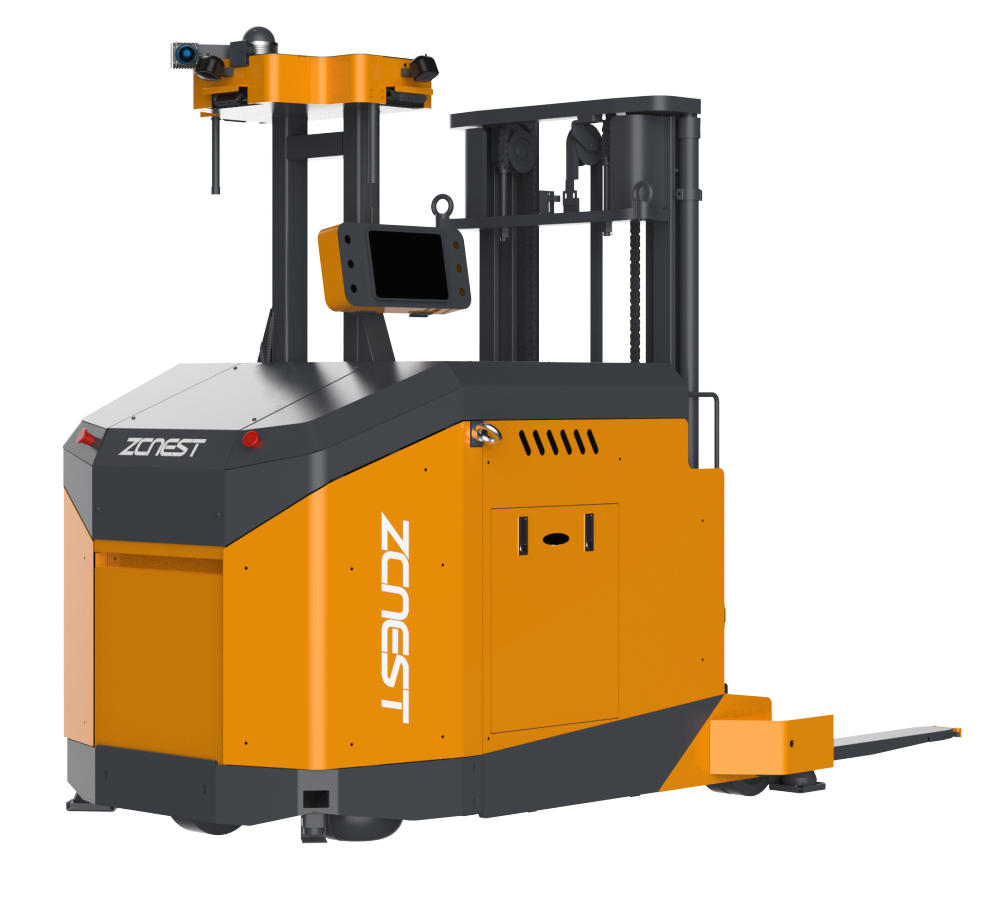
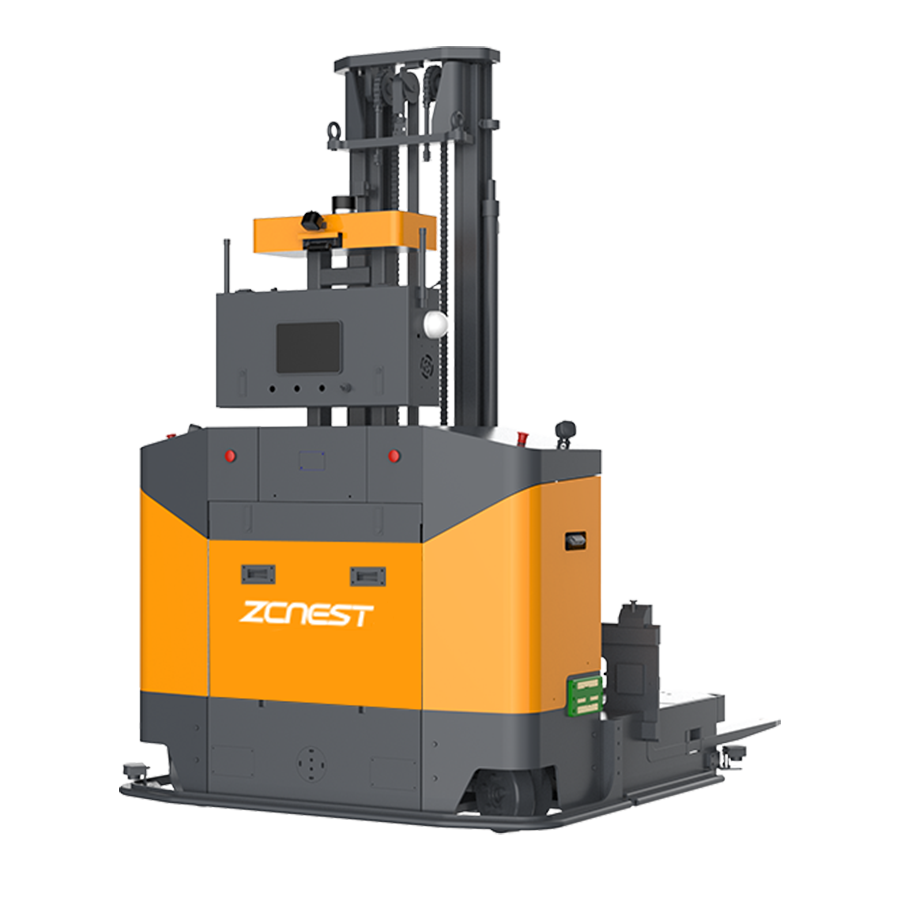
• Hardware: The AGV forklift unit itself.
• Power: Charging stations and battery cycles.
• Licensing: Core fleet management software.
Indirect Costs (The Hidden)
• Integration: IT bridge to your WMS/ERP.
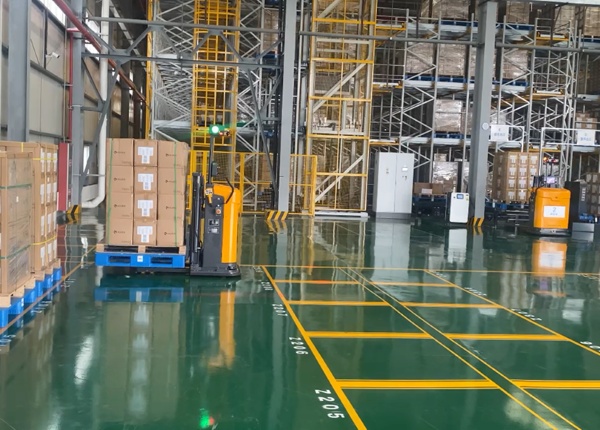
• Infrastructure: Floor leveling or QR markers.
• Training: Upskilling staff for system oversight.
Automation doesn't just reduce costs; it transforms them from variable to fixed:
From Labor Variables: Salary, overtime, recruitment, and insurance.
To Tech Dependencies: Maintenance contracts, remote support, and software updates.
Typical Payback Window:
12 – 24 Months
Performance peaks in high-volume regions, while smaller operations should focus on long-term safety and error-reduction value.
Phase Your Investment
Start with a "Pilot Fleet" to minimize upfront risk.
Scale Gradually
Expand based on data, not just intuition or vendor pressure.
"If you only compare prices, you’ll miss the ROI. Compare Total Cost vs. Long-Term Value."
📖 AGV Forklift Guide — Essential manual for selection and safety.
⚙️ How AGV Systems Work — A deep dive into navigation and logic.
⚖️ AGV vs. AMR Comparison — Choosing the right technology for your facility.
💰 AGV Cost and ROI — Evaluating investment and payback periods.





 Chinese
 English