


The "Size Myth" often keeps small warehouse owners from exploring automation. But in 2026, feasibility isn't measured in square meters—it's measured in Operational Density. ZCNEST analyzes when a small facility should make the leap.
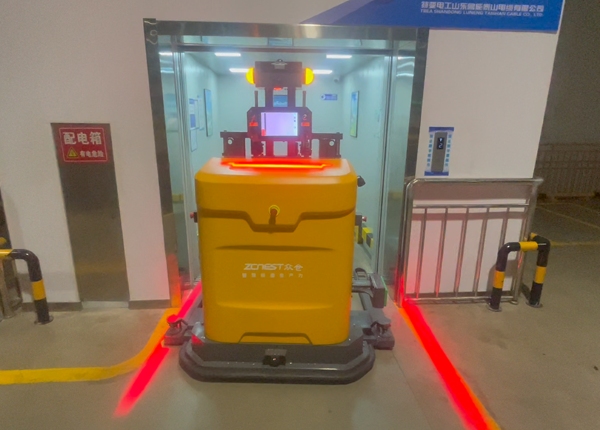
Size is a variable; Repetition is the constant. An AGV makes sense for<5,000
High Pallet Velocity
Even in small spaces, if you move 150+ pallets per shift across fixed routes, the labor-to-automation swap is profitable.
Labor Cost Index
In regions like Singapore or Europe, the high cost of skilled operators often pays back a single AGV in less than 18 months.
24/7 Operations
If your small facility runs multi-shift operations, one AGV can replace 2-3 human shifts, exponentially speeding up ROI.
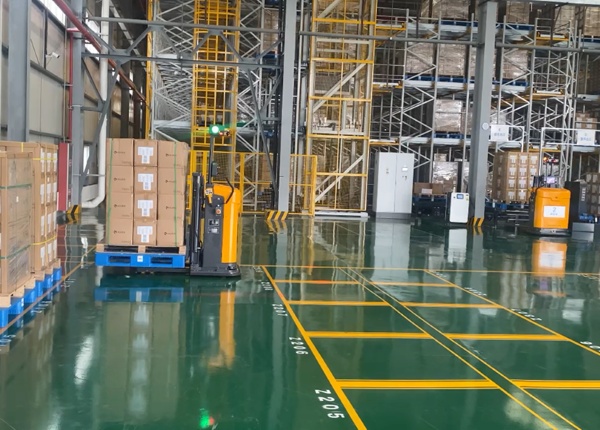
◈ Standardized Load Carriers
◈ Fixed Production-to-Storage Routes
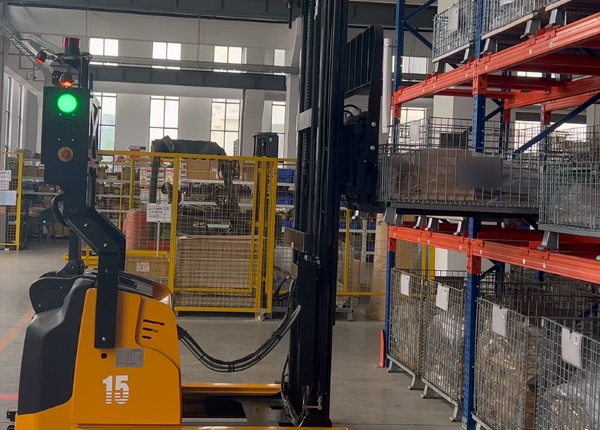
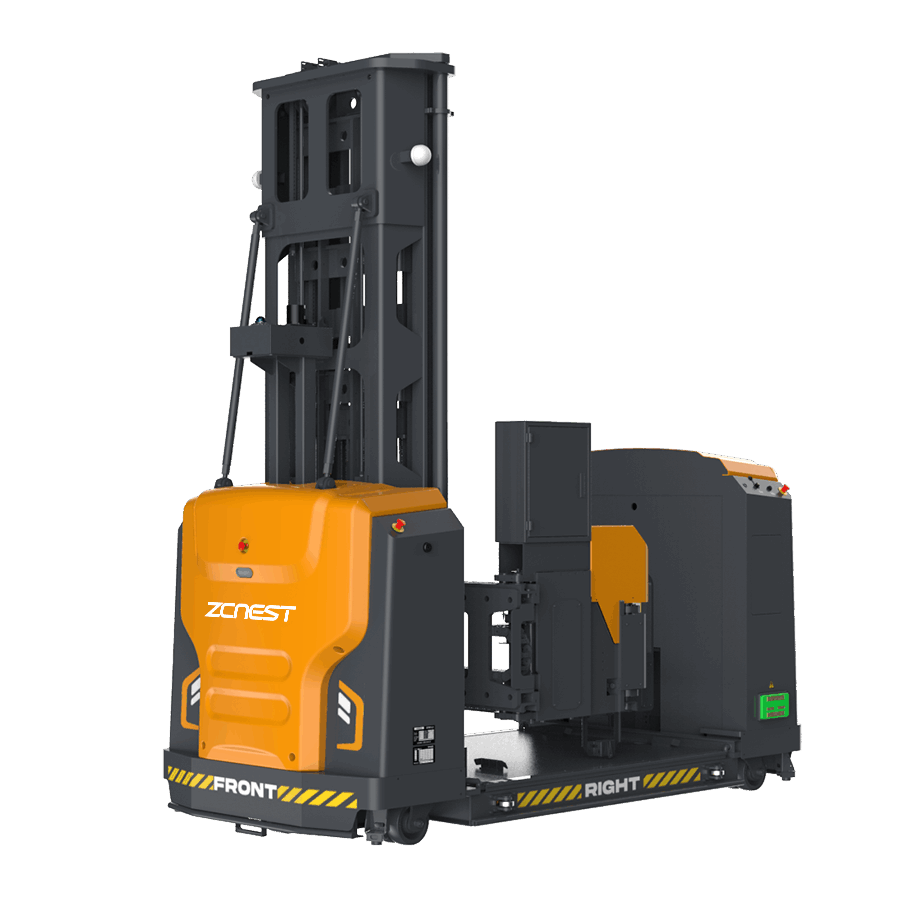
◈ High-Density Storage (VNA/Racking)
◈ Non-Standardized Packaging
◈ Highly Dynamic/Chaotic Layouts
◈ Extreme Low-Volume Throughput
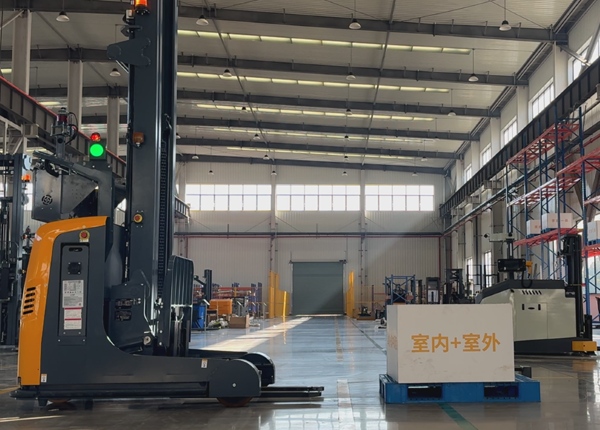
Small warehouses don't need a total overhaul. The most successful approach is the Hybrid Model:
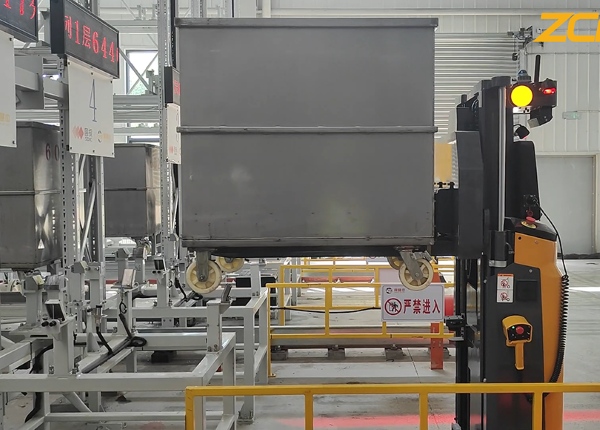
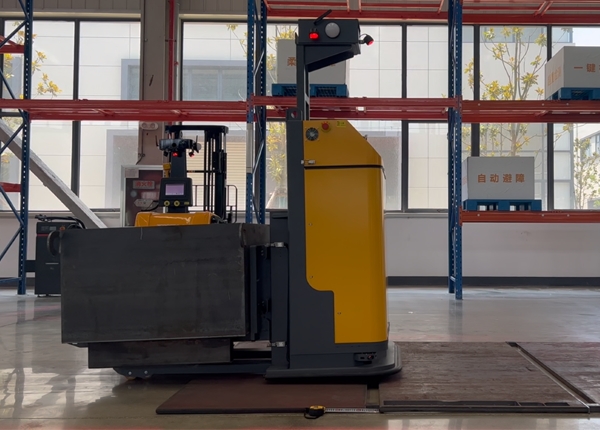
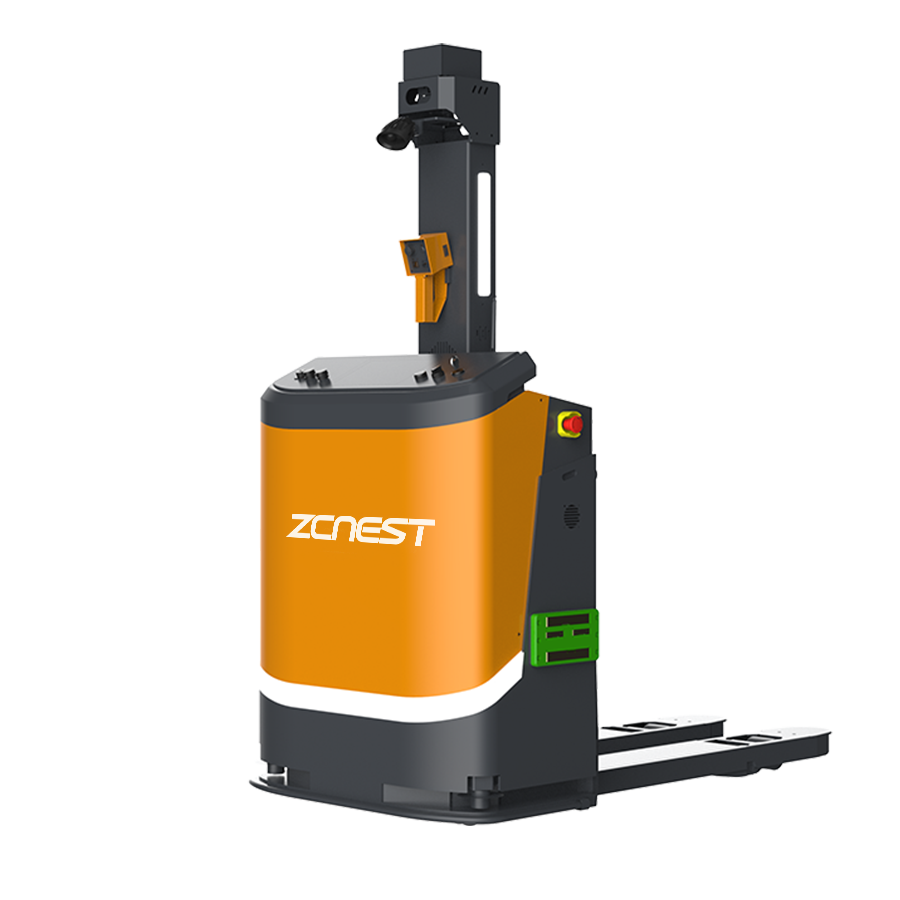
• Selective Automation: Use 1–2 AGVs for the most boring, repetitive long-distance hauls.
• Human Oversight: Keep manual forklifts for complex, irregular tasks like container unloading.
• Data Mining: Use the AGV’s software to track bottlenecks in your small layout.
"Small warehouses don't need 'Full Automation'—they need Targeted Automation."
📖 AGV Forklift Guide — Essential manual for selection and safety.
⚙️ How AGV Systems Work — A deep dive into navigation and logic.
⚖️ AGV vs. AMR Comparison — Choosing the right technology for your facility.
💰 AGV Cost and ROI — Evaluating investment and payback periods.





 Chinese
 English