


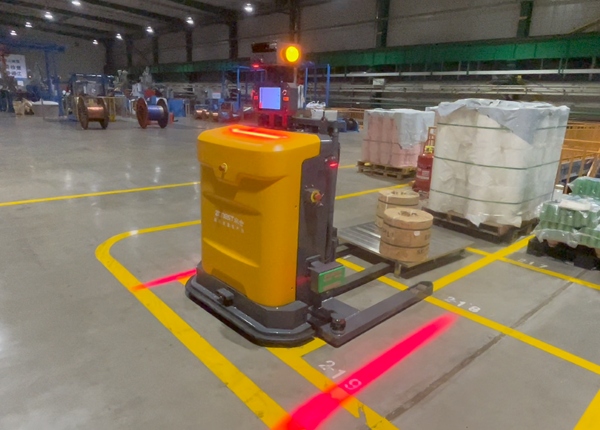
For most B2B buyers, this phase determines whether the system runs smoothly—or becomes a long-term integration challenge.
How much does commissioning cost? Who pays for travel? Can deployment be done remotely? And how long does full system validation actually take?
On-site commissioning is a structured engineering phase where Chinese AGV technicians configure and validate the system in real operating conditions.
Typical scope includes:
System installation verification
Navigation map building and calibration
Sensor alignment (LiDAR, cameras, safety scanners)
Fleet communication setup
Charging station integration
Load testing and pallet accuracy validation
Operator training and handover
This is not just setup—it is final system tuning for real warehouse conditions.
Commissioning fees vary based on project size, complexity, and duration.
Some suppliers include free commissioning for large-volume orders, but charge separately for travel and accommodation.
For overseas deployments, Chinese AGV engineers are typically billed on a daily basis.
Rates depend on expertise level and project complexity (e.g., SLAM mapping, multi-fleet coordination, WMS integration).
In most international AGV projects, travel-related expenses are handled separately from engineering service fees.
Standard cost responsibility:
International flights: paid by buyer (common industry practice)
Visa application fees: usually paid by supplier or shared
Hotel accommodation: paid by buyer
Local transport & meals: typically paid by buyer
Large strategic accounts may negotiate bundled “all-inclusive deployment packages,” but this is not standard for small projects.
Modern Chinese AGV manufacturers increasingly support remote commissioning using cloud-based tools and diagnostic systems.
Remote capabilities include:
Map creation and SLAM optimization
Fleet task configuration
Software debugging and log analysis
Parameter tuning (speed, acceleration, routing)
Real-time monitoring via cloud dashboards
However, remote-only deployment has limitations.
Physical tasks such as sensor alignment, safety validation, and load testing still require on-site presence.
The duration of commissioning depends on system size and warehouse complexity.
Typical timelines:
Small AGV deployment (1–3 units): 3–7 working days
Medium fleet (5–10 units): 7–15 working days
Large automated warehouse: 2–6 weeks
Factors affecting duration include:
Warehouse layout complexity
Network and IT integration readiness
Sensor calibration conditions
Operator training requirements
A successful AGV deployment depends not only on hardware quality but also on preparation.
Best practices include:
Clear warehouse floor mapping before arrival
Stable Wi-Fi / network infrastructure
Pre-installed charging stations
Defined traffic rules for AGVs and humans
On-site technical liaison from customer side
What is included in commissioning service scope?
Is commissioning free or charged separately?
Who pays for travel and accommodation?
Can deployment be done partially or fully remote?
How many engineers are required?
How long will on-site tuning take?
What happens if commissioning is delayed?
Is post-deployment support included?
On-site commissioning is a critical phase in AGV forklift deployment from China. While remote tools can significantly reduce workload, full system validation still requires on-site engineering support for safety and performance tuning.
Understanding cost structure, travel responsibilities, and realistic timelines allows buyers to plan deployment budgets more accurately and avoid hidden operational delays.
Before importing AGV forklifts from China, budget not only for equipment—but also for commissioning, travel logistics, and system integration time. These factors determine real-world deployment success.
FREE ENGINEERING SUPPORT Stop Gambling on Generic Platforms. Get an AGV/AMR Tailored to Your Warehouse.Buying automated guided vehicles involves complex safety standards (CE/ANSI), navigation setups (Laser SLAM), and ERP system integration. Don't risk your factory safety with middle-men. ✓ 100% Direct Factory: Customized payload up to 5 Tons. ✓ Free CAD Simulation: Send us your layout, and our engineers will simulate the optimal AGV routes. ✓ Global Support: Overseas installation guidance & local maintenance partners. |




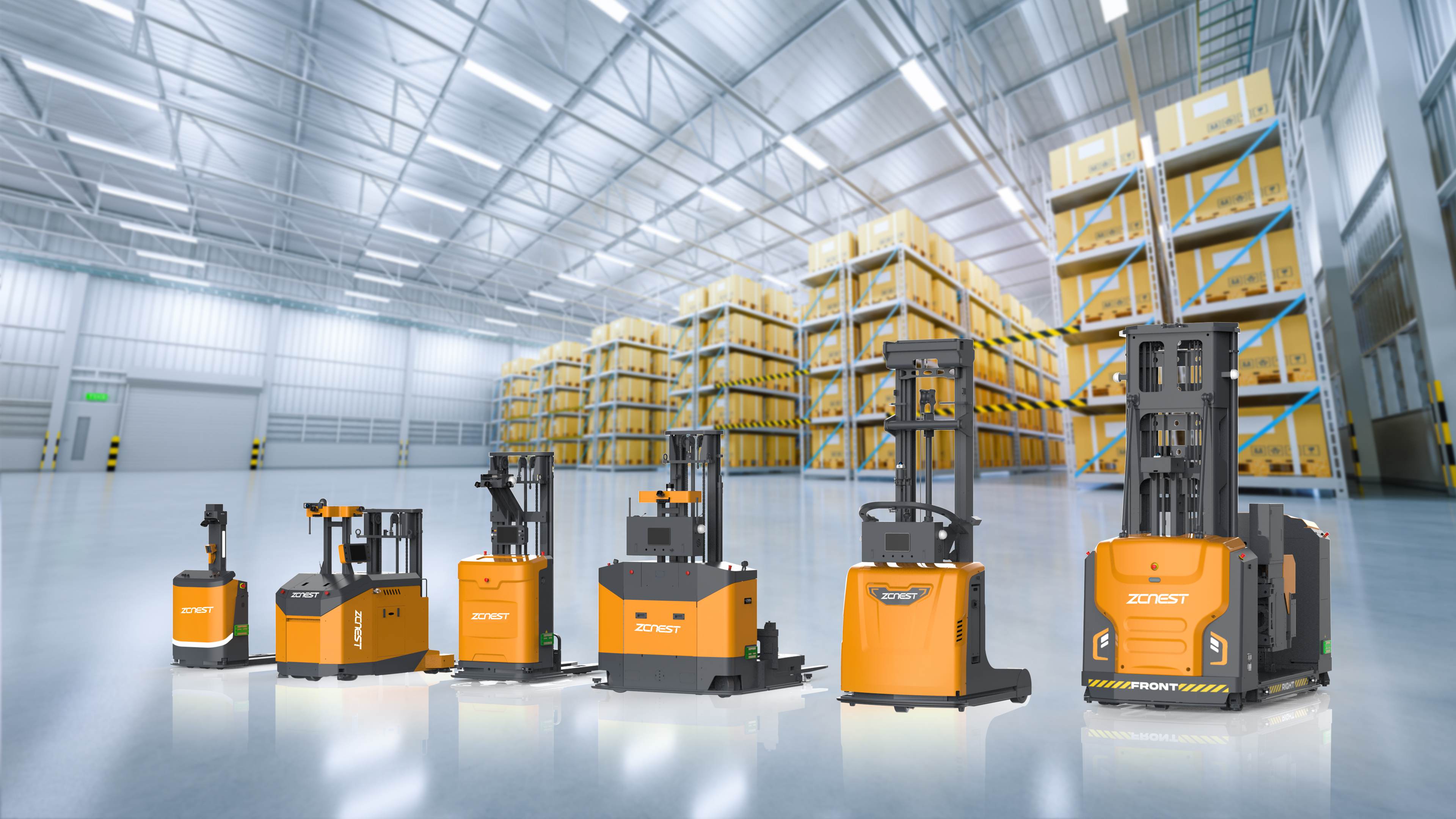
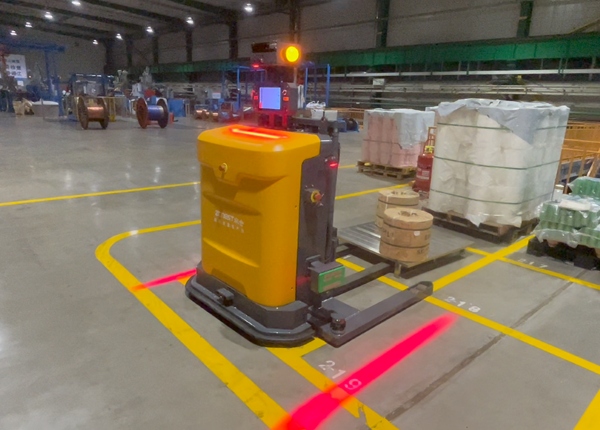
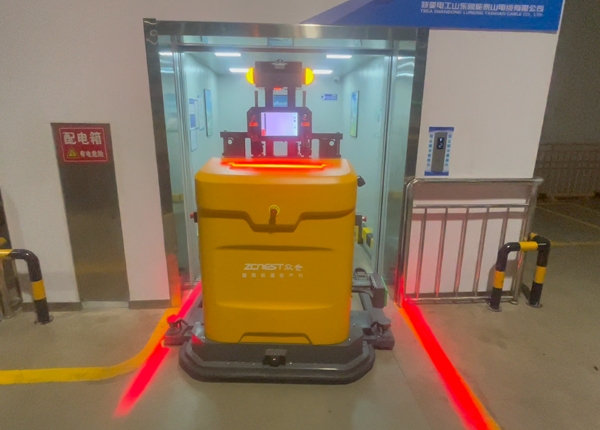

 Chinese
 English