


SUPPLIER EVALUATION AND MAINTAINABILITY
An AGV forklift project does not end when the vehicles arrive. Warehouse operators need usable technical documentation, software records and maintenance procedures to diagnose problems, manage changes and keep the system supportable throughout its service life.
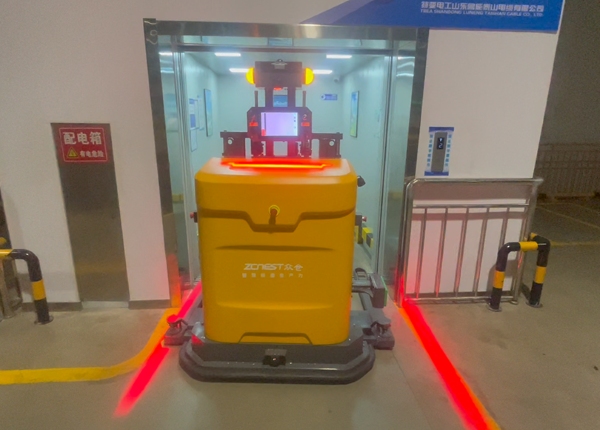
Two AGV forklift suppliers may offer vehicles with similar lifting capabilities and navigation functions, yet differ substantially in the documentation available to the customer. Missing drawings, unclear software versions or incomplete troubleshooting procedures can make later maintenance slower and more dependent on individual engineers.
For warehouse owners, documentation is part of the operational handover. It helps internal teams understand the installed system, provides a consistent basis for maintenance and reduces ambiguity when equipment or software must be changed.
The objective is not to request every document that a manufacturer could produce. It is to identify the records needed to operate, maintain, troubleshoot and manage the specific system being purchased.
The delivered system may differ from the initial proposal after engineering reviews, site checks and commissioning changes. The final documentation should describe what was actually installed.
Request the final vehicle configuration, relevant equipment list, system architecture, installed accessories and the interfaces between the AGV fleet controller, warehouse software and any connected equipment.
For a warehouse using several vehicle types, ensure that the records identify which configuration applies to each model or unit. If certain vehicles have different forks, sensors, battery arrangements or other options, those differences should be traceable.
Ask for the final site layout and the relevant station or interface drawings where these are included in the project scope. Mark any customer-owned equipment or third-party components so responsibility is clear.
Operating instructions should explain how authorized personnel use the system in normal conditions and how they respond to common abnormal states.
Vehicle startup, shutdown and approved operating procedures.
Dashboard indicators, alarms and status messages.
Safe procedures for isolating equipment before permitted maintenance.
Approved recovery steps for a vehicle that cannot continue a task.
Instructions for manual modes or recovery controls, where applicable.
Battery charging and handling requirements specific to the delivered configuration.
Confirm that the documents match the delivered software and hardware versions. Generic manuals can be useful background, but they should not replace the instructions required for the actual installed equipment.
Emergency recovery and safety procedures must follow the manufacturer's instructions and the site's approved safety process. Staff should not improvise recovery methods from incomplete documentation.
Maintenance planning requires more than a list of recommended service intervals. The warehouse team needs to know which components require inspection, what consumables are used and which parts are appropriate for the installed configuration.
Request the preventive maintenance schedule, inspection points, replacement criteria and relevant service instructions. Clarify which tasks may be performed by trained customer personnel and which require qualified supplier support.
For spare parts, request identifiable part numbers, descriptions and the applicable vehicle models or revisions. Ask the supplier to distinguish routine consumables from components whose replacement may require calibration, configuration or additional testing.
Where lead time affects operational continuity, identify the components that may warrant local stock or an agreed replenishment arrangement. Any recommended stock level should reflect actual usage, service conditions and the supplier's support commitments.
AGV forklift systems typically contain several software elements, including vehicle control, fleet scheduling, navigation and interfaces to warehouse systems. The customer should be able to identify the versions installed at handover.
Request a version record for the relevant components, together with a description of the configuration settings that are part of the delivered system. The exact level of detail depends on the supplier's architecture and the agreed project scope.
Define how updates are proposed, tested, approved and recorded. Clarify whether an update changes vehicle behavior, interface messages, route configuration or other operational functions.
Before a production update, establish whether rollback is supported, what backup is required and how the updated system will be verified. Do not assume that every update is automatically compatible with all installed vehicle models or connected software.
When the fleet controller exchanges information with a WMS, WCS, conveyor or other equipment, the handover package should identify the relevant interface responsibilities.
Depending on the agreed integration scope, useful records may include message definitions, task status meanings, error codes, connection requirements and the expected response when messages are delayed or rejected.
Clarify which party is responsible for diagnosing a failure that crosses system boundaries. For example, a transport request may be created successfully in the warehouse system but fail before it becomes an executable fleet task. Troubleshooting requires enough information to identify where the transaction stopped.
Ask how logs can be collected and which information should be included in a support request. A useful support record may contain the task identifier, timestamp, vehicle identifier, error message and relevant system status. Access should follow the site's security and privacy requirements.
Documentation is only useful when the relevant people can apply it. Identify which staff need operational training, which require basic troubleshooting knowledge and which are authorized to carry out maintenance.
Request the training materials and a record of the topics covered. Clarify the supplier's responsibilities during the warranty period, the scope of remote support and the process for requesting on-site assistance when required.
Define the customer's responsibilities as well, including routine inspections, site access, network availability and the collection of troubleshooting information. Clear boundaries reduce delays when an issue involves both the vehicle and the surrounding warehouse process.
Do not wait until a problem occurs to discover that important records are missing. Include the required documents in the project handover plan and assign a responsible person to verify each item.
Final as-built configuration and installed equipment list.
Operating instructions and approved recovery procedures.
Preventive maintenance schedule and service instructions.
Spare-parts list with applicable models and part references.
Installed software versions and relevant configuration records.
Interface specifications and troubleshooting information within scope.
Training materials and support escalation contacts.
Document revision history and a defined update process.
Key checkpoint: A document package is complete when the warehouse team can identify the delivered configuration, perform approved routine tasks, gather useful troubleshooting evidence and understand when supplier assistance is required.
List the required documentation in the project deliverables rather than relying on an informal promise to provide it later. Specify the format, language, revision requirements and delivery milestone where these are important to your operation.
For software and integration documents, define the level of detail the supplier will provide and distinguish customer-specific configuration records from proprietary source code or confidential engineering information. Clarify what the customer can retain and use under the agreement.
When evaluating AGV forklift suppliers, consider documentation quality alongside equipment performance, integration capability and service arrangements. These factors influence how effectively your team can support the system after installation.
📖 AGV Forklift Guide — Essential manual for selection and safety.
⚙️ How AGV Systems Work — A deep dive into navigation and logic.
⚖️ AGV vs. AMR Comparison — Choosing the right technology for your facility.
💰 AGV Cost and ROI — Evaluating investment and payback periods.












 Chinese
 English





