

When overseas buyers evaluate Chinese AGV forklifts, discussions often focus on navigation technology, software platforms, batteries, and automation features. However, one of the most important long-term reliability factors is frequently overlooked—the vehicle chassis.
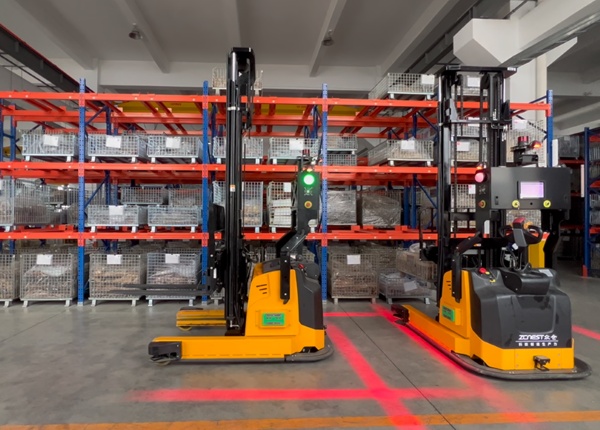
The chassis is the structural foundation of the entire AGV system. Every lift, turn, acceleration, emergency stop, and pallet transport cycle transfers force through the frame. A weak chassis can lead to vibration, premature wear, mast alignment issues, and expensive downtime regardless of how advanced the software may be.
For buyers planning a long-term automation investment, understanding how to evaluate chassis quality can help distinguish between suppliers focused on engineering excellence and those competing primarily on price.
What structural characteristics indicate a high-quality AGV chassis? Are welded steel frames better than cast structures? Where does the steel come from? And how do leading manufacturers validate durability before export?
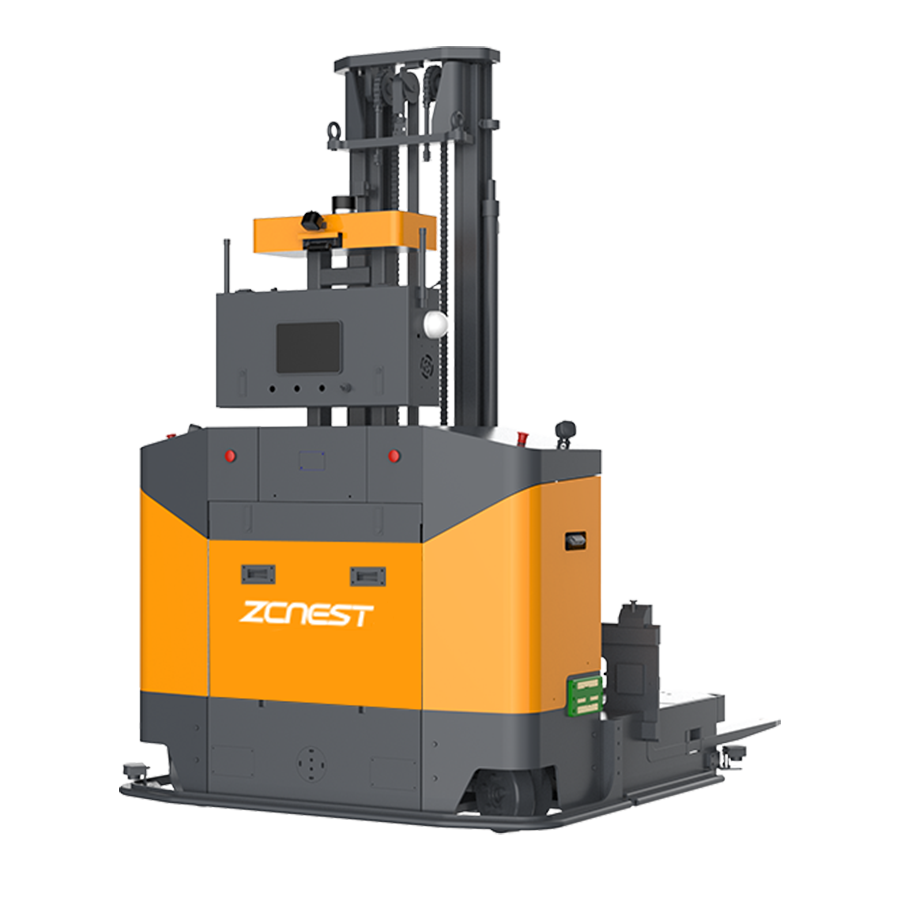
The chassis serves as the load-bearing backbone of an AGV forklift.
It supports:
Drive systems
Steering assemblies
Battery packs
Lifting masts
Fork structures
Navigation equipment
Safety systems
Every operational force generated during material handling passes through the chassis structure.
Poor chassis engineering can contribute to:
Premature structural fatigue
Mast misalignment
Increased vibration
Sensor calibration drift
Reduced load stability
Higher maintenance costs
A robust AGV chassis is often invisible during a sales presentation but highly visible after years of continuous warehouse operation.
Different manufacturers use different structural design philosophies depending on vehicle type and intended application.
Common approaches include:
Heavy cast structural components
Fabricated steel chassis assemblies
Bent and welded plate structures
Hybrid frame architectures
Each approach offers unique engineering advantages:
Structural rigidity
Manufacturing flexibility
Weight optimization
Repairability
Production efficiency
Rather than focusing solely on the manufacturing method, buyers should evaluate the overall engineering design, load calculations, and field performance history.
Well-designed fabricated structures can perform exceptionally well, while poorly engineered cast structures can still experience durability issues.
The lifting mast experiences some of the highest stresses within an AGV forklift.
Important evaluation considerations include:
Material traceability
Steel grade consistency
Manufacturing tolerances
Weld quality
Surface treatment processes
Corrosion protection measures
For multi-stage lifting systems, material quality directly influences:
Lifting stability
Deflection performance
Wear characteristics
Long-term structural reliability
Buyers should request documentation demonstrating how materials are sourced, inspected, and controlled throughout production.
Consistent material quality is often more important than simply specifying a higher-strength steel grade.
A manufacturer's structural warranty often reflects confidence in its engineering and manufacturing processes.
When reviewing warranty terms, buyers should clarify:
Coverage duration
Covered structural components
Exclusions and limitations
Inspection requirements
Repair responsibilities
Failure reporting procedures
Particular attention should be given to:
Chassis frame coverage
Mast assembly coverage
Weld integrity provisions
Structural fatigue exclusions
Warranty details should always be reviewed alongside expected operating conditions and usage intensity.
High-quality AGV manufacturers typically validate chassis designs through multiple testing stages before production release.
Common validation methods include:
Finite element structural analysis
Load simulation testing
Dynamic driving tests
Repeated lifting cycle evaluations
Emergency braking assessments
Obstacle impact testing
Fatigue durability analysis
The objective is to identify potential stress concentrations and structural weaknesses before equipment enters customer facilities.
Buyers should ask suppliers how engineering validation is performed rather than relying solely on marketing specifications.
Engineering validation data often provides more insight into chassis quality than photographs or product brochures.
During factory audits or supplier evaluations, buyers should look for evidence of strong engineering discipline.
Positive indicators include:
Documented design standards
Material traceability systems
Controlled welding procedures
Quality inspection records
Finite element analysis reports
Durability testing documentation
Structured design review processes
These indicators often reveal more about product quality than surface appearance alone.
Incomplete welding documentation
No material traceability records
Inconsistent fabrication quality
Limited testing evidence
No fatigue validation process
Unclear warranty coverage
Inability to explain structural design methodology
Visible manufacturing inconsistencies across units
These warning signs may indicate elevated long-term reliability risks.
How is the chassis designed and validated?
What materials are used in the frame and mast assemblies?
Can you provide material traceability documentation?
How are welding procedures controlled?
What durability testing has been completed?
What structural warranty is provided?
How many lifting cycles has the design been validated for?
Can engineering reports be reviewed during a factory audit?
How are production units inspected before shipment?
What structural improvements have been made in recent product generations?
The chassis is the foundation upon which every AGV forklift operates. While automation software and navigation technologies often attract the most attention, long-term durability ultimately depends on structural engineering quality, material control, manufacturing precision, and validation testing.
Buyers who carefully evaluate chassis design during supplier selection are better positioned to avoid costly maintenance issues and maximize the lifespan of their automation investment.
When importing AGV forklifts from China, don't judge structural quality by appearance alone. The most valuable engineering work is often hidden inside the frame, the steel selection process, and the testing procedures that prove durability before shipment.
FREE ENGINEERING SUPPORT Stop Gambling on Generic Platforms. Get an AGV/AMR Tailored to Your Warehouse.Buying automated guided vehicles involves complex safety standards (CE/ANSI), navigation setups (Laser SLAM), and ERP system integration. Don't risk your factory safety with middle-men. ✓ 100% Direct Factory: Customized payload up to 5 Tons. ✓ Free CAD Simulation: Send us your layout, and our engineers will simulate the optimal AGV routes. ✓ Global Support: Overseas installation guidance & local maintenance partners. |





 Chinese
 English