


Automotive factories do not need simple transport robots. They need intelligent logistics systems that can synchronize with production schedules, handle complex loads, and communicate with manufacturing software.
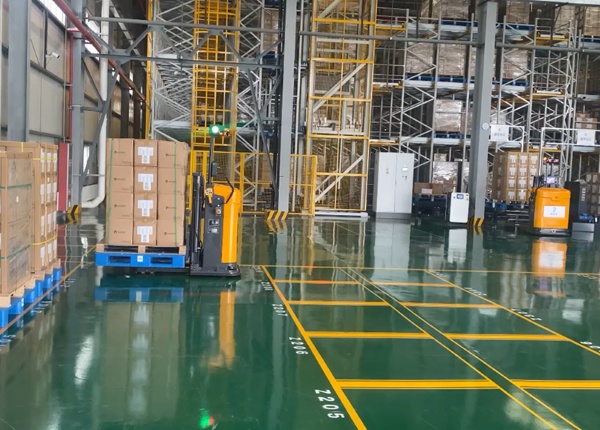
When automotive manufacturers search for AGV forklifts from China, they are usually not asking about the robot itself.
They are trying to answer a bigger production question:
In automotive plants, logistics is directly connected with production output. A small delay in material delivery can affect assembly efficiency, inventory levels, and even the entire production line.
Vehicles must deliver materials according to assembly line timing.
AGVs may transport dies, tooling, batteries, and large components.
Automation must communicate with existing manufacturing systems.
A common concern among automotive engineers is whether an AGV can keep pace with a moving assembly process.
The answer depends less on travel speed and more on the coordination between navigation, scheduling logic, and production information.
| System Function | Production Benefit |
|---|---|
| Fleet Scheduling | Assigns vehicles according to production demand |
| Traffic Management | Prevents congestion in busy factory areas |
| Task Prioritization | Ensures urgent materials arrive first |
Automotive manufacturing involves many loads that are different from standard warehouse pallets.
Examples include:
Stamping dies
Engine components
Battery modules
Large assembly fixtures
Production tooling
The real question is whether the AGV can transport the load safely while maintaining positioning accuracy, stability, and repeatable operation.
Different automotive applications require different navigation approaches.
Magnetic tape or defined pathways may be suitable for stable repetitive transport loops.
Laser SLAM and intelligent navigation can support changing production environments.
Modern automotive factories require automation systems that communicate with manufacturing execution systems.
The RCS (Robot Control System) acts as the bridge between AGVs and factory management software.
Production task assignment
Material delivery requests
Vehicle status monitoring
Production traceability
Automatic task scheduling
Has the supplier completed automotive factory projects?
Can the AGV synchronize with production takt time?
Can custom fixtures be designed for special loads?
Does the RCS support MES integration?
How does the system handle production changes?
What validation testing is completed before delivery?
Automotive AGV projects are not simply about moving materials from one location to another. They are about creating a reliable connection between logistics operations and manufacturing processes.
The right Chinese AGV supplier should demonstrate not only vehicle capability, but also experience in production synchronization, system integration, customized handling solutions, and automotive manufacturing requirements.
FREE ENGINEERING SUPPORT Stop Gambling on Generic Platforms. Get an AGV/AMR Tailored to Your Warehouse.Buying automated guided vehicles involves complex safety standards (CE/ANSI), navigation setups (Laser SLAM), and ERP system integration. Don't risk your factory safety with middle-men. ✓ 100% Direct Factory: Customized payload up to 5 Tons. ✓ Free CAD Simulation: Send us your layout, and our engineers will simulate the optimal AGV routes. ✓ Global Support: Overseas installation guidance & local maintenance partners. |




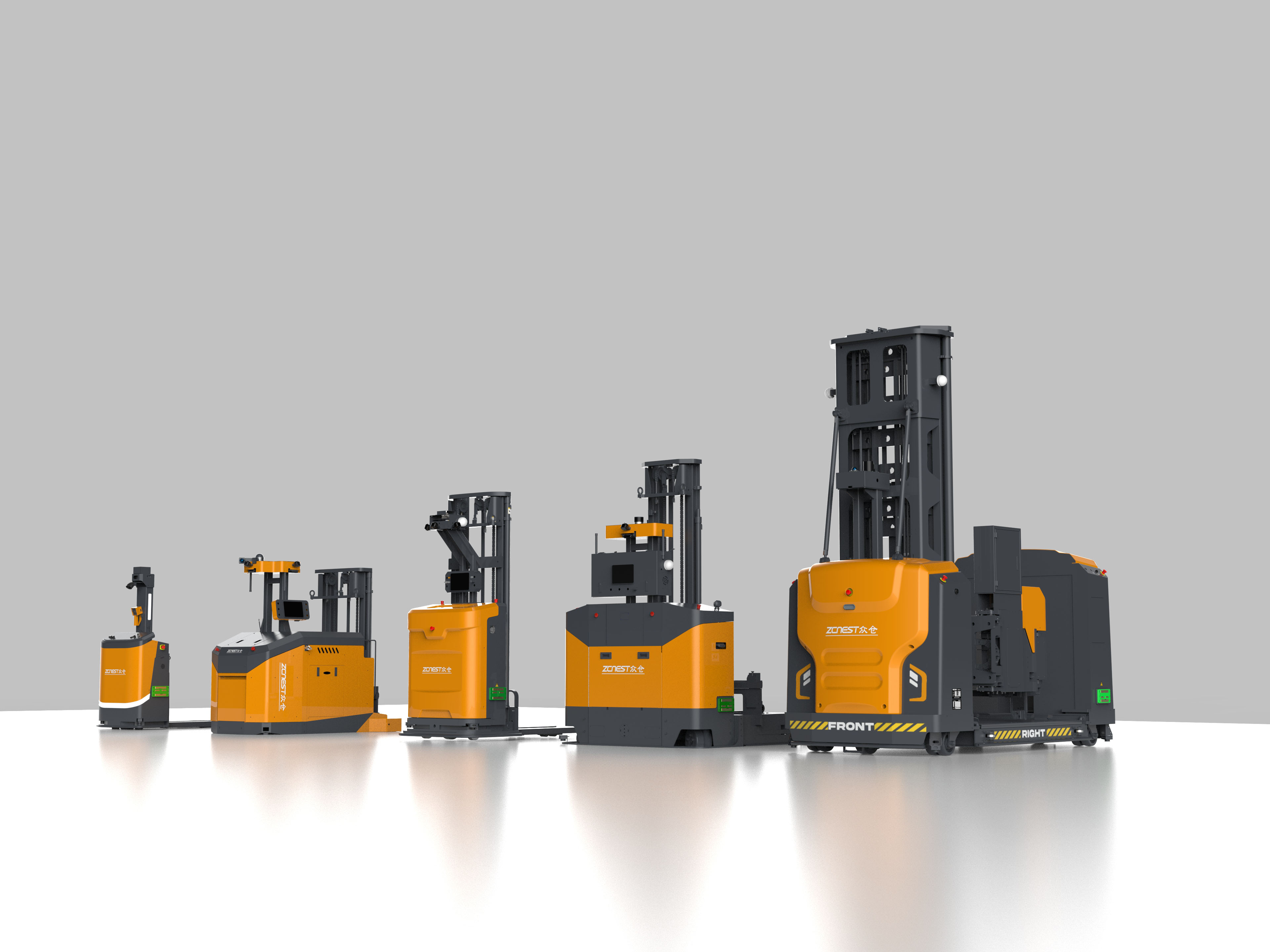
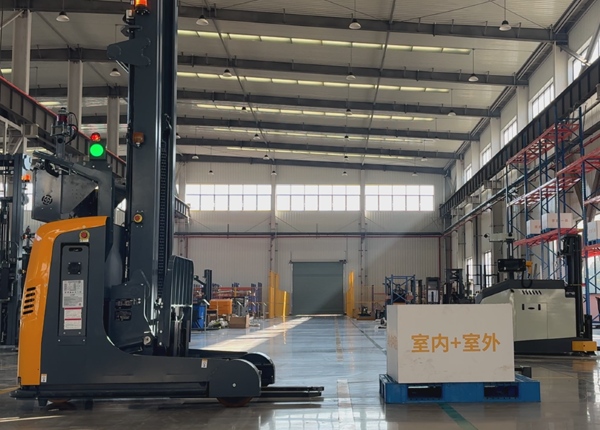
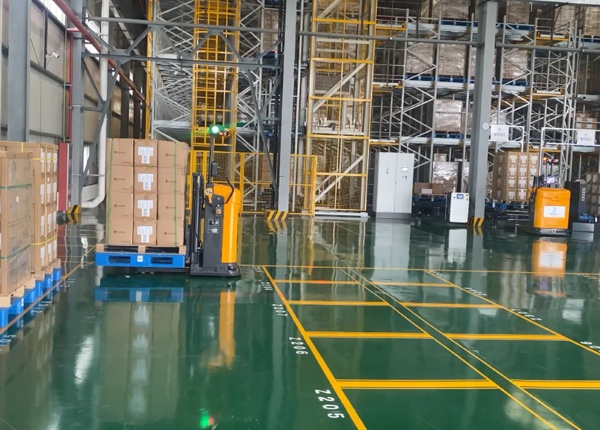







 Chinese
 English




