


AGV Fleet Expansion Planning Guide
Most warehouse automation projects begin with a small pilot fleet. The real challenge is ensuring today's investment can support tomorrow's expansion without rebuilding software, infrastructure, or warehouse workflows.
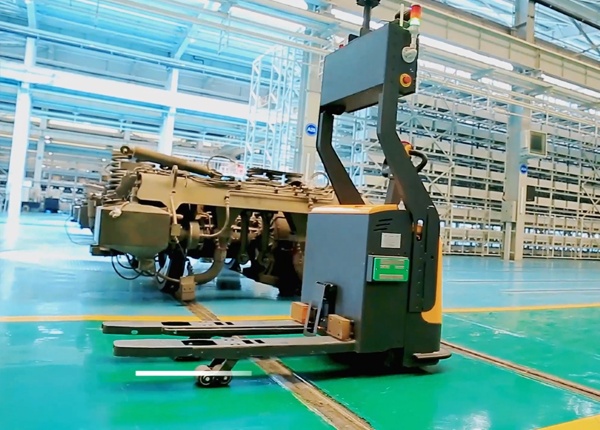
Very few companies purchase twenty AGVs on day one.
Most distribution centers begin with two or three vehicles to validate workflow improvements, train operators, and calculate ROI before expanding across the entire warehouse.
The real purchasing question is not "Can I buy two AGVs?"
It's "Can this system still work efficiently when I expand to twenty?"
Choosing the wrong automation platform can result in software replacement, network upgrades, and expensive engineering work during future expansion.
Additional AGVs increase traffic density, requiring smarter scheduling and collision avoidance.
Fleet management software must coordinate hundreds of transportation tasks simultaneously.
Wireless infrastructure should provide stable communication without creating bottlenecks.
Different vehicle types and warehouse zones require more intelligent dispatching strategies.
| Expansion Area | What Buyers Should Verify |
|---|---|
| Fleet Management Software | Can additional vehicles be added without replacing the entire platform? |
| Software Licensing | Understand whether licenses are expandable or require a completely new purchase. |
| Warehouse Digital Map | Determine how easily routes and layouts can be updated as operations expand. |
| Wireless Network | Confirm existing Wi-Fi coverage can support additional real-time communication. |
| Mixed Vehicle Scheduling | Verify whether pallet trucks, stackers, and reach trucks can share one RCS platform. |
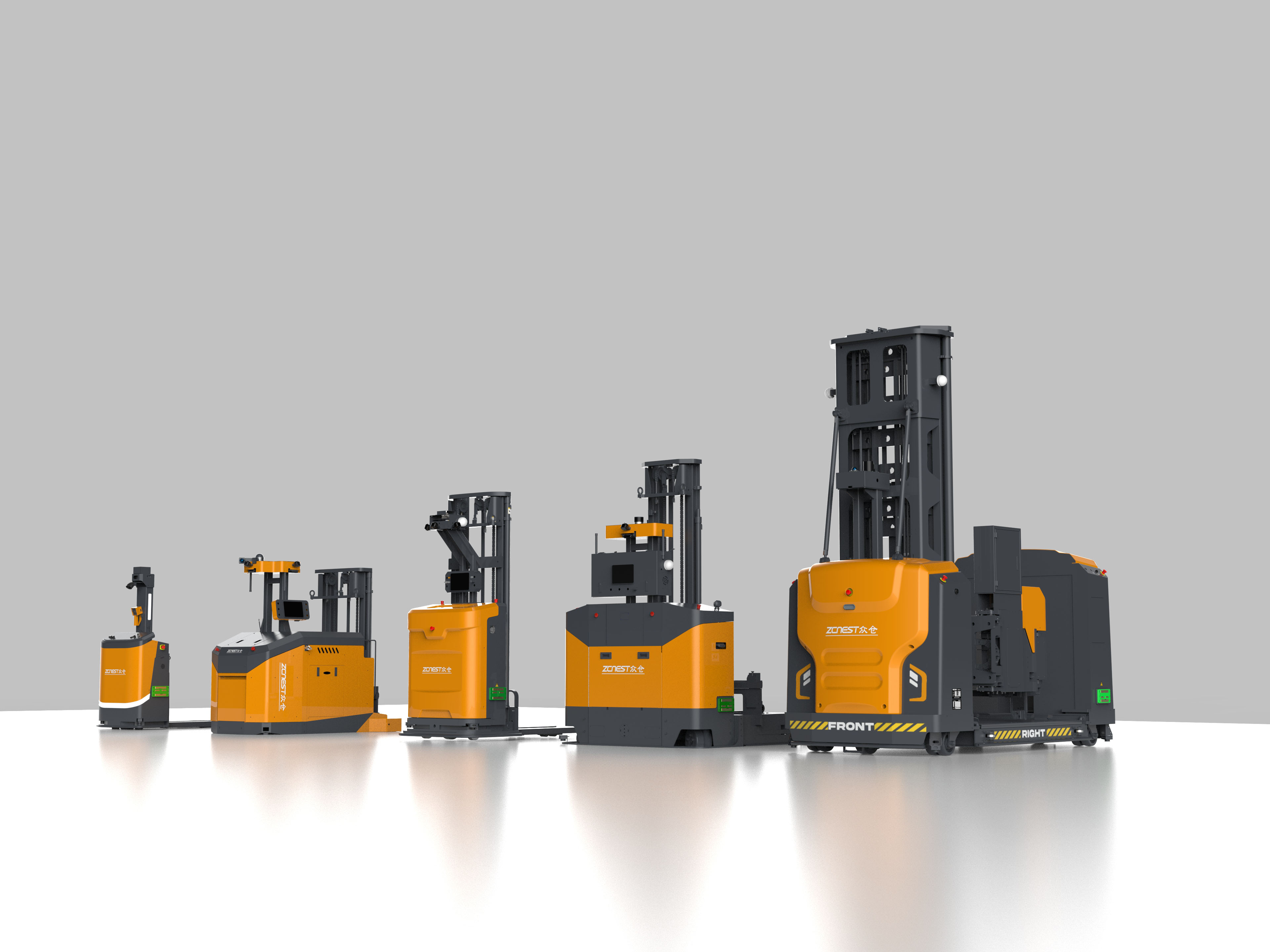
As warehouses grow, many companies introduce additional vehicle types instead of purchasing identical models.
A scalable Robot Control System (RCS) should coordinate multiple vehicle categories while balancing task priorities, warehouse traffic, and charging schedules.
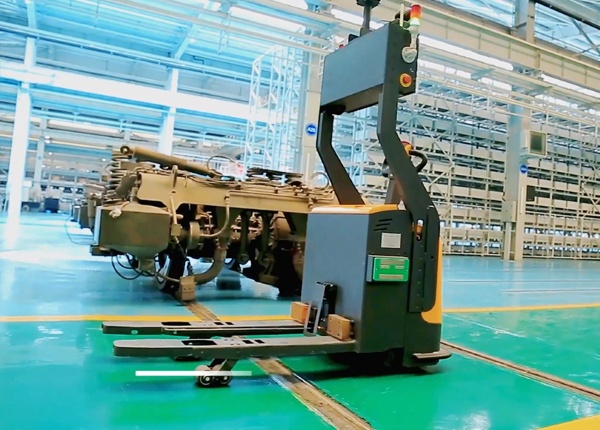
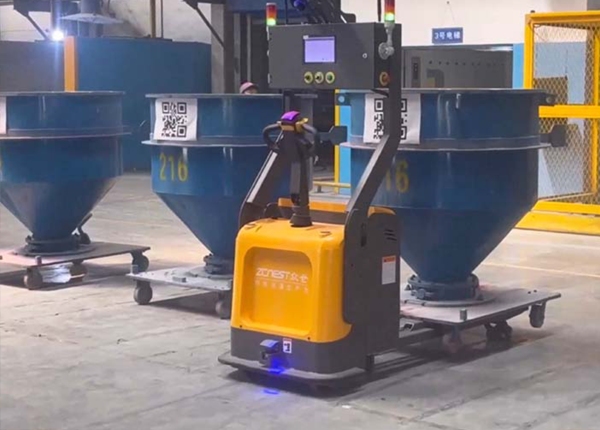
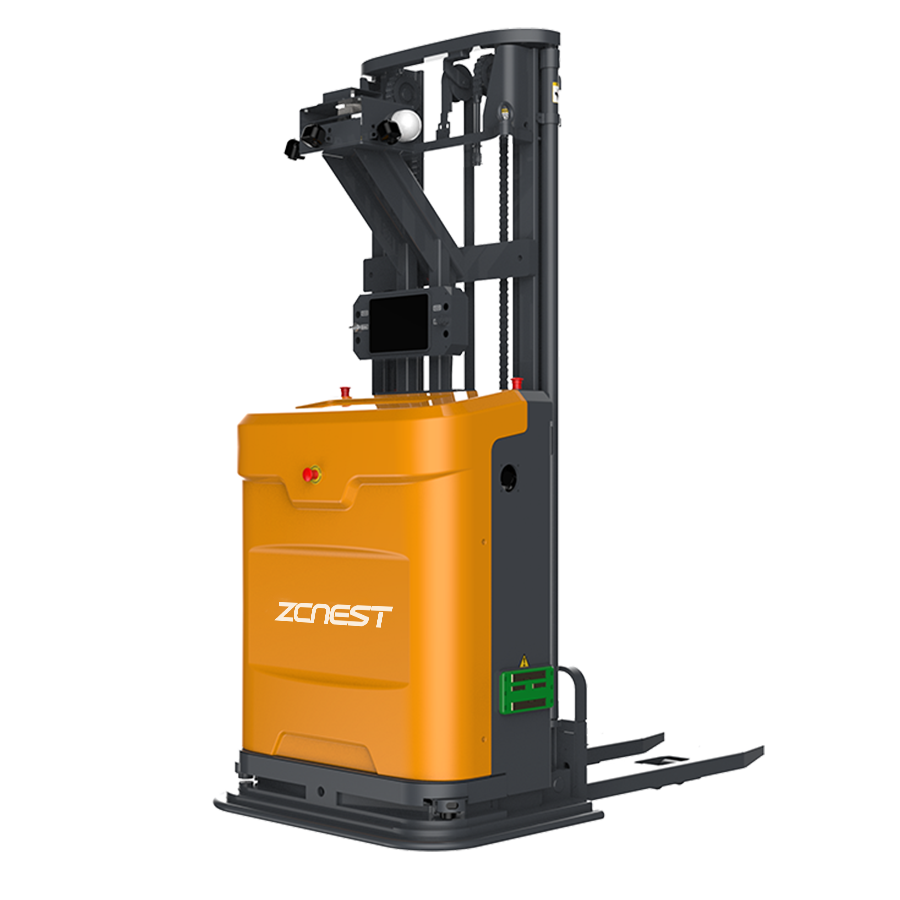
Fast horizontal transportation between receiving and storage.
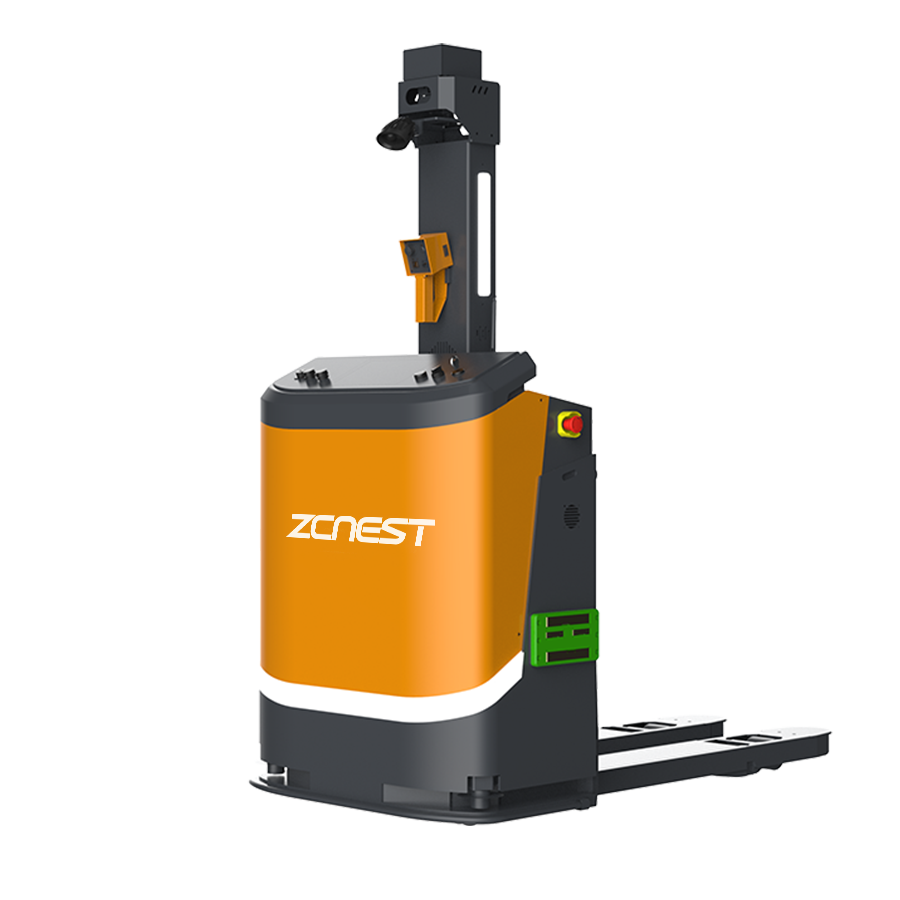
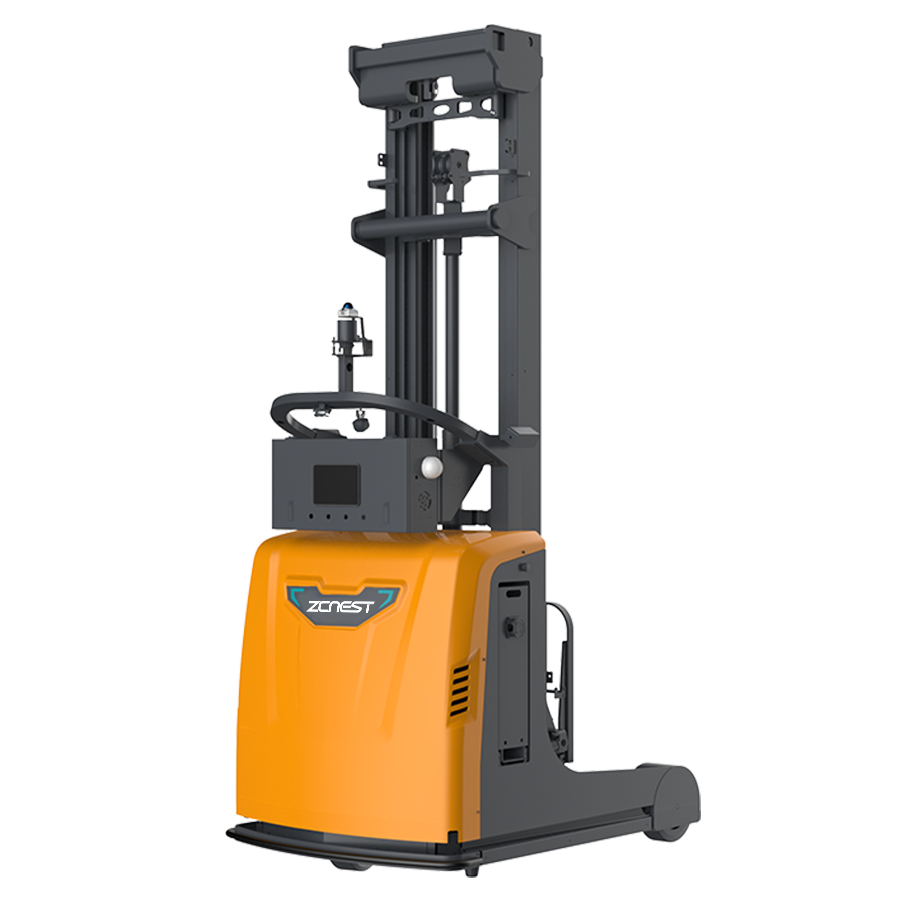
Medium-height pallet storage and replenishment tasks.
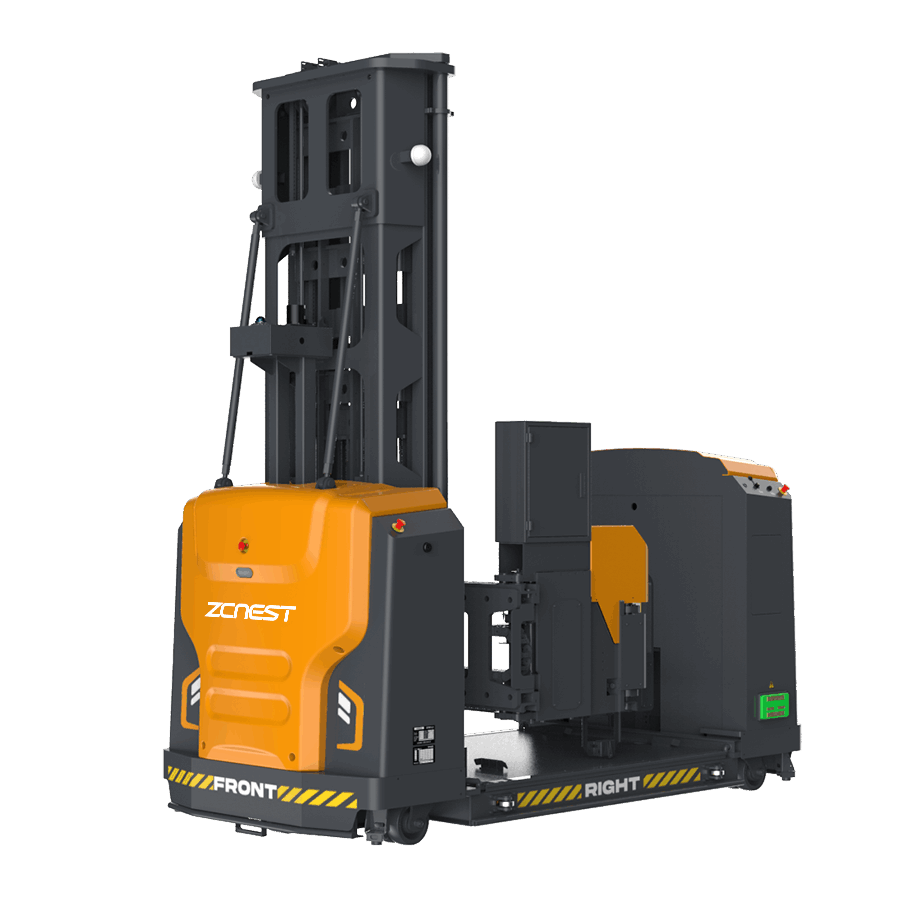
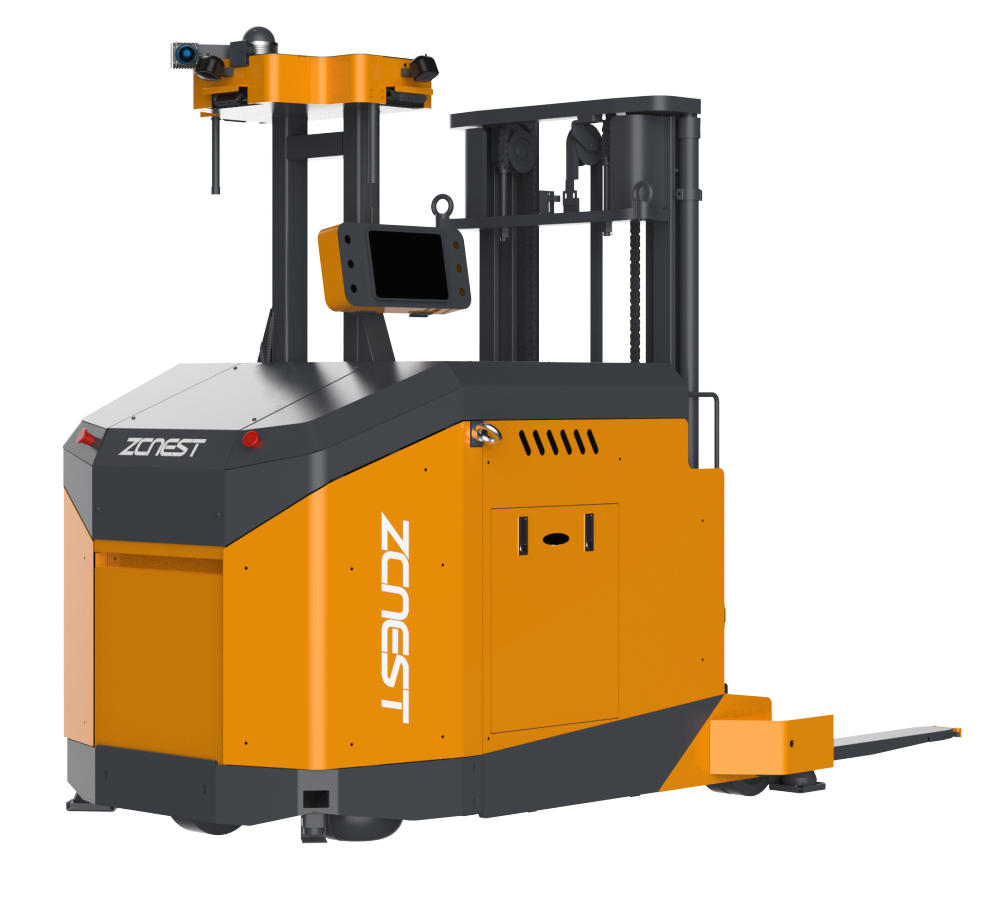
High-bay storage operations requiring precise pallet positioning.
Review Wi-Fi coverage throughout every warehouse aisle.
Evaluate server capacity for additional fleet management tasks.
Update warehouse digital maps when storage layouts change.
Verify charging stations can support increased vehicle numbers.
Confirm safety zones and traffic rules remain effective after expansion.
Can additional AGVs be added without replacing the software platform?
How is software licensing structured for future expansion?
Can different AGV models operate under one fleet management system?
How are warehouse maps updated after layout changes?
What network specifications are recommended for larger fleets?
Has the supplier completed similar large-scale deployment projects?
The success of an automation project is measured not only by the first two AGVs, but by how easily the entire system can grow over the next five to ten years. Selecting a scalable software platform, reliable wireless infrastructure, and an experienced AGV supplier helps protect your investment while supporting future warehouse expansion.
FREE ENGINEERING SUPPORT Stop Gambling on Generic Platforms. Get an AGV/AMR Tailored to Your Warehouse.Buying automated guided vehicles involves complex safety standards (CE/ANSI), navigation setups (Laser SLAM), and ERP system integration. Don't risk your factory safety with middle-men. ✓ 100% Direct Factory: Customized payload up to 5 Tons. ✓ Free CAD Simulation: Send us your layout, and our engineers will simulate the optimal AGV routes. ✓ Global Support: Overseas installation guidance & local maintenance partners. |





 Chinese
 English