


Many warehouse operators do not want to purchase their entire AGV fleet at the beginning of a project. They may start with several vehicles and expand the fleet as warehouse demand increases.
This approach can work well, but the buyer should confirm that the original fleet management architecture was designed to support future expansion.
Ask the supplier how many AGVs the proposed fleet management system can support under the intended operating conditions.
The practical capacity can depend on the number of vehicles, mission frequency, database activity, communication traffic, map complexity, and software architecture.
Do not assume that a system designed for a small fleet will automatically support a much larger fleet without changes.
Adding identical vehicles is generally easier than adding a different AGV model.
A new model may have different dimensions, payload characteristics, navigation sensors, fork geometry, battery configuration, or charging requirements.
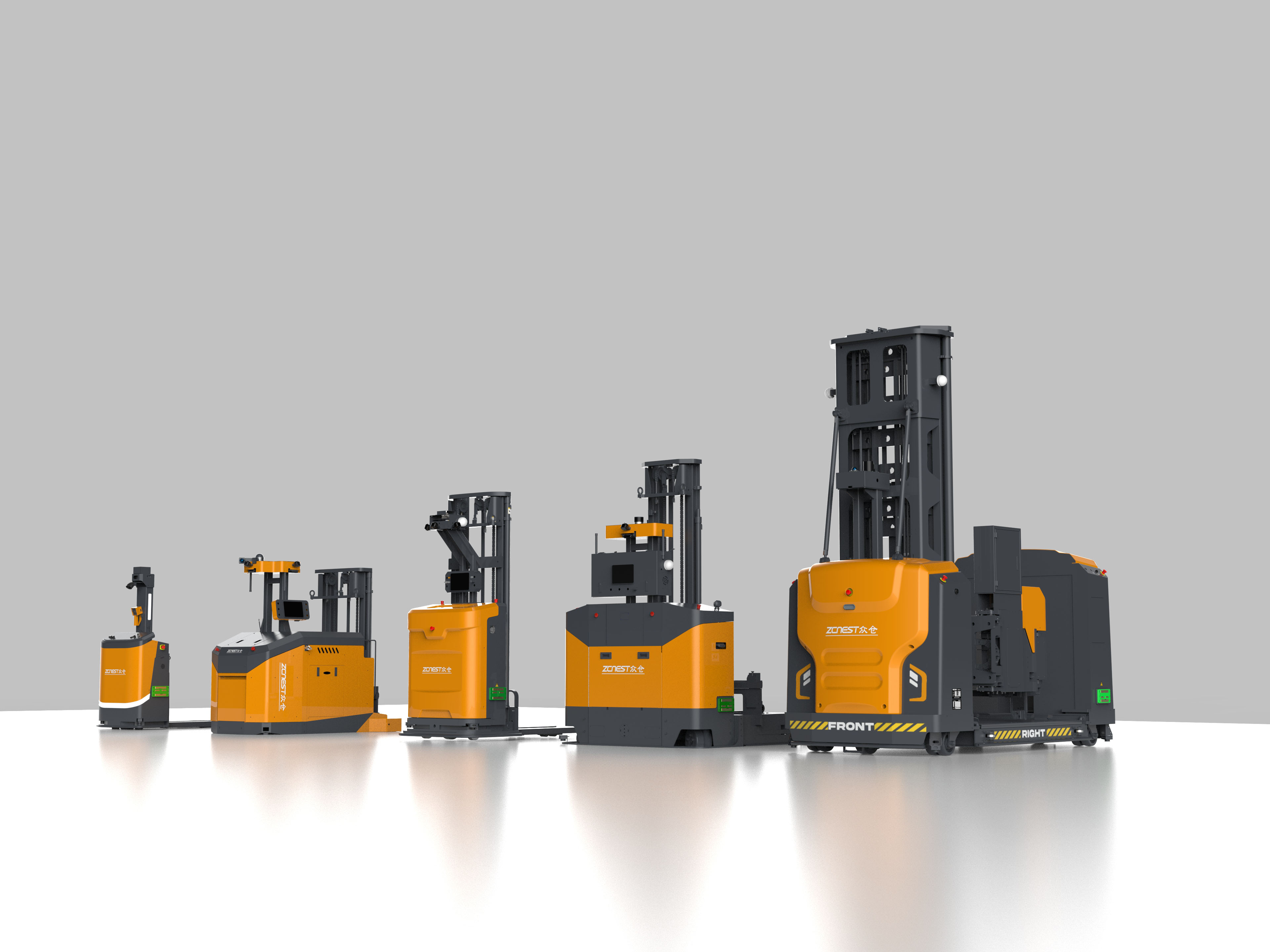
If future expansion could involve different models, confirm whether the fleet manager supports mixed vehicle types.
More vehicles can increase fleet-management and database workload.
Ask whether the current server is sized for the expected future fleet.
CPU capacity
Memory capacity
Database workload
Mission processing
Historical data storage
Communication traffic
It can be more efficient to plan the server architecture around the expected fleet growth rather than redesigning the system after expansion becomes necessary.
Additional AGVs also increase the number of wireless clients operating in the warehouse.
Review Wi-Fi coverage, roaming behavior, access-point capacity, and areas with high vehicle density.
A fleet manager may technically support additional vehicles while the wireless infrastructure becomes the actual operational bottleneck.
Fleet software is only one part of fleet expansion.
More AGVs also require sufficient charging capacity.
If the charging infrastructure is not expanded with the fleet, vehicles may have to wait for chargers during busy periods.
Charging capacity should therefore be considered as part of the long-term fleet architecture.
Adding more AGVs should ideally increase the available vehicle pool without requiring a completely new WMS integration.
The WMS can continue generating missions while the RCS or fleet manager distributes those missions among available vehicles, provided the architecture was designed for expansion.
Ask the supplier whether additional vehicles require changes to the WMS interface, task structure, or API configuration.
Technical scalability and commercial scalability are not the same thing.
Ask whether additional AGVs require additional software licenses, expansion fees, engineering charges, or new integration work.
Understanding these conditions before the first purchase makes future budgeting easier.
A new vehicle normally needs to be registered and configured before it joins the production fleet.
This may include:
Vehicle identification
Navigation configuration
Safety checks
Fleet communication testing
Charging configuration
Mission testing
Ask whether these activities can be performed remotely or require on-site engineering support.
If the long-term plan is to increase the fleet significantly, tell the supplier before purchasing the initial vehicles.
The first system can then be designed with future fleet size, server capacity, network architecture, charging requirements, software architecture, and vehicle compatibility in mind.
The right question is not simply whether more AGVs can be added later. The buyer should understand what technical and commercial conditions must remain in place for that expansion to happen smoothly.





 Chinese
 English