

Many companies starting warehouse automation face the same question: should they upgrade their existing manual forklifts with automation kits, or purchase factory-built AGV forklifts?
At first glance, forklift retrofitting appears attractive because it seems cheaper and allows companies to reuse existing equipment.
However, the lowest initial investment does not always create the lowest long-term operating cost. Reliability, safety, downtime, software integration, and future expansion must also be considered.
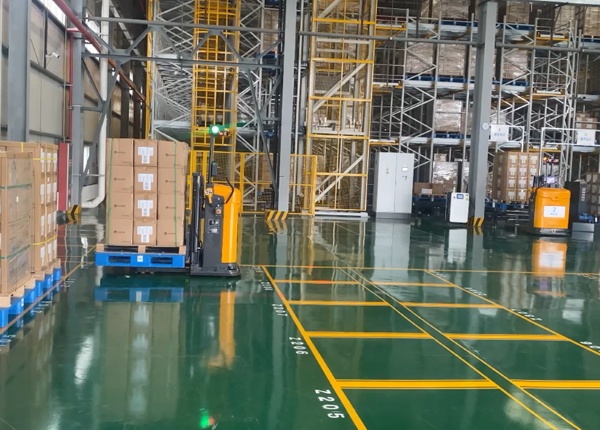
Most companies consider retrofit solutions because they already own a large forklift fleet.
The motivation usually includes:
Reducing the cost of replacing existing equipment
Extending the service life of current forklifts
Testing automation with a smaller investment
Reducing dependence on manual operators
Improving warehouse productivity
For companies with standardized operations, retrofit may appear to be a practical short-term solution.
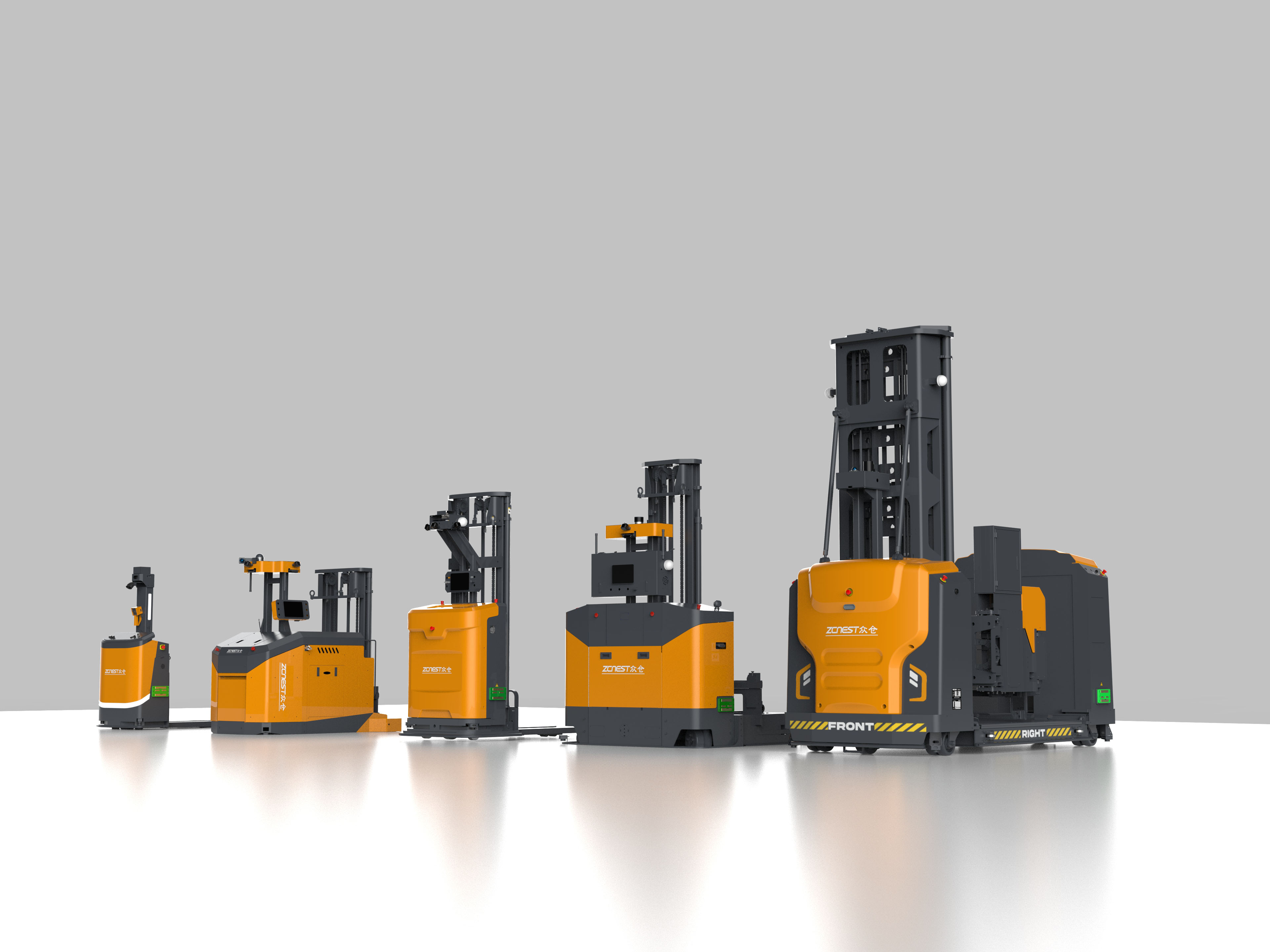
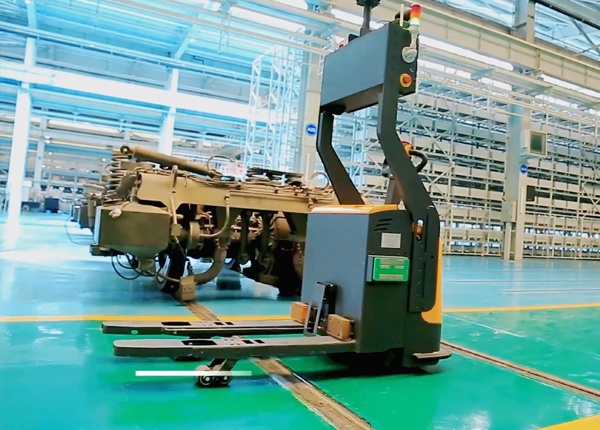
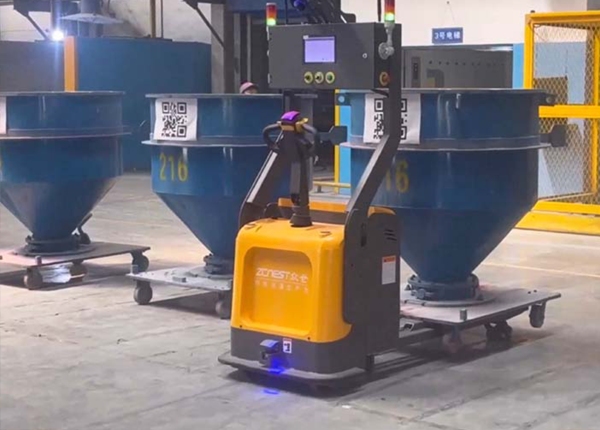
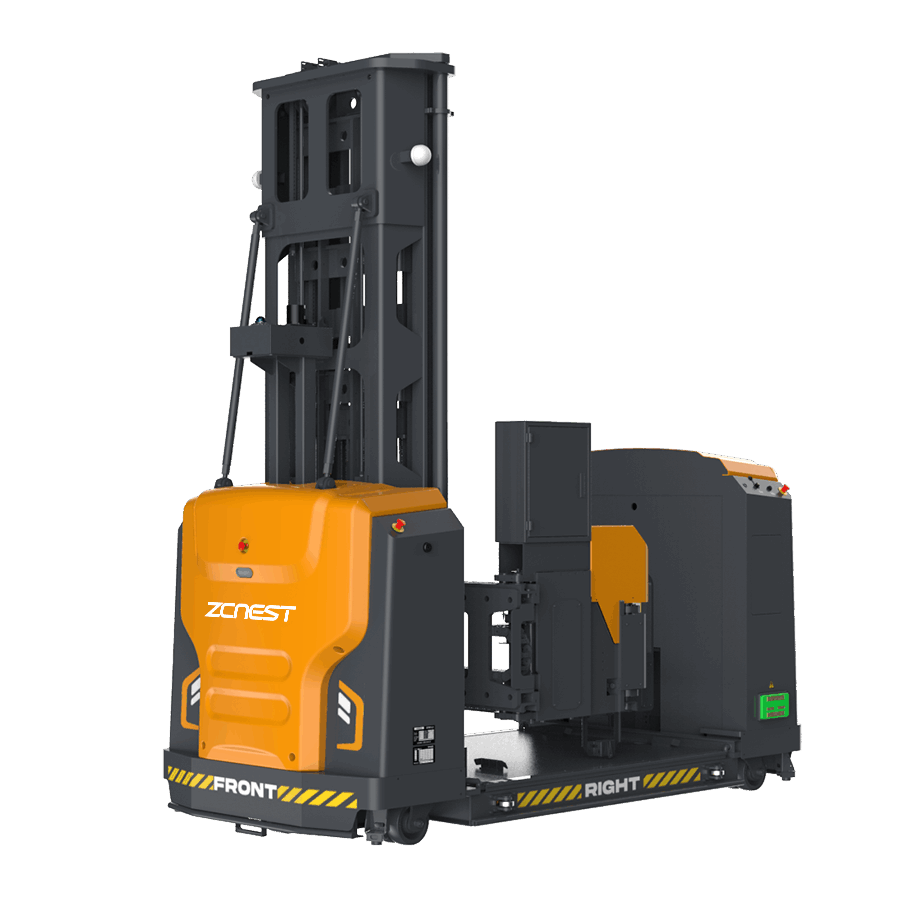
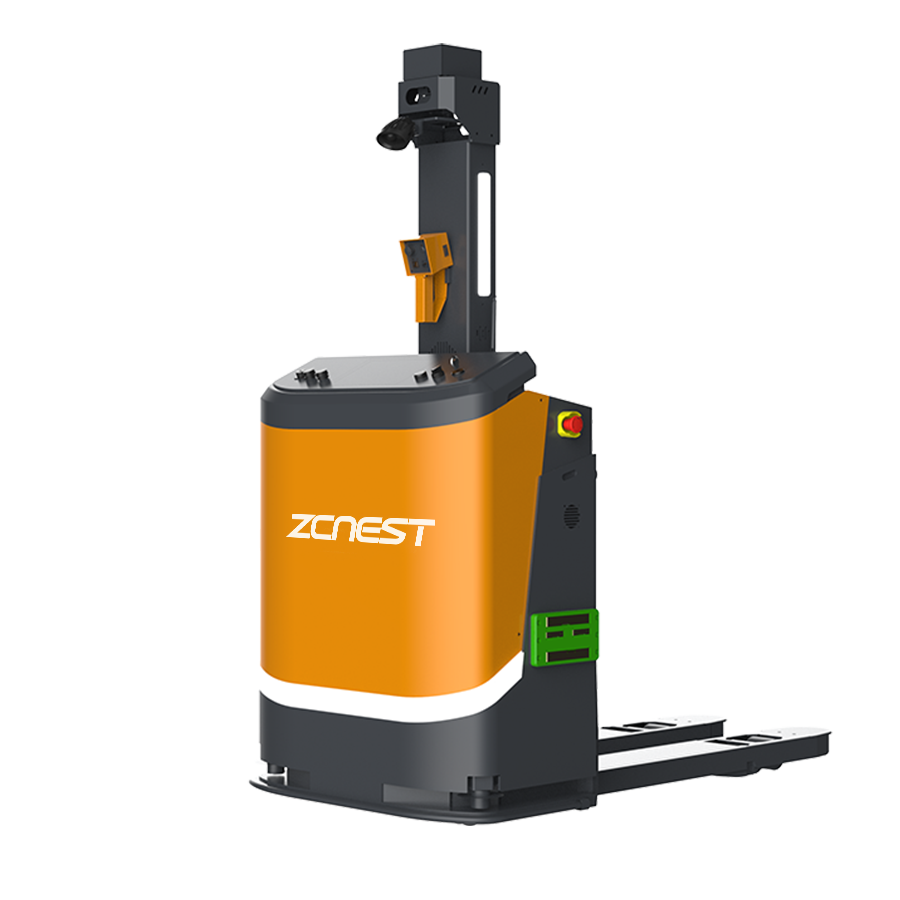
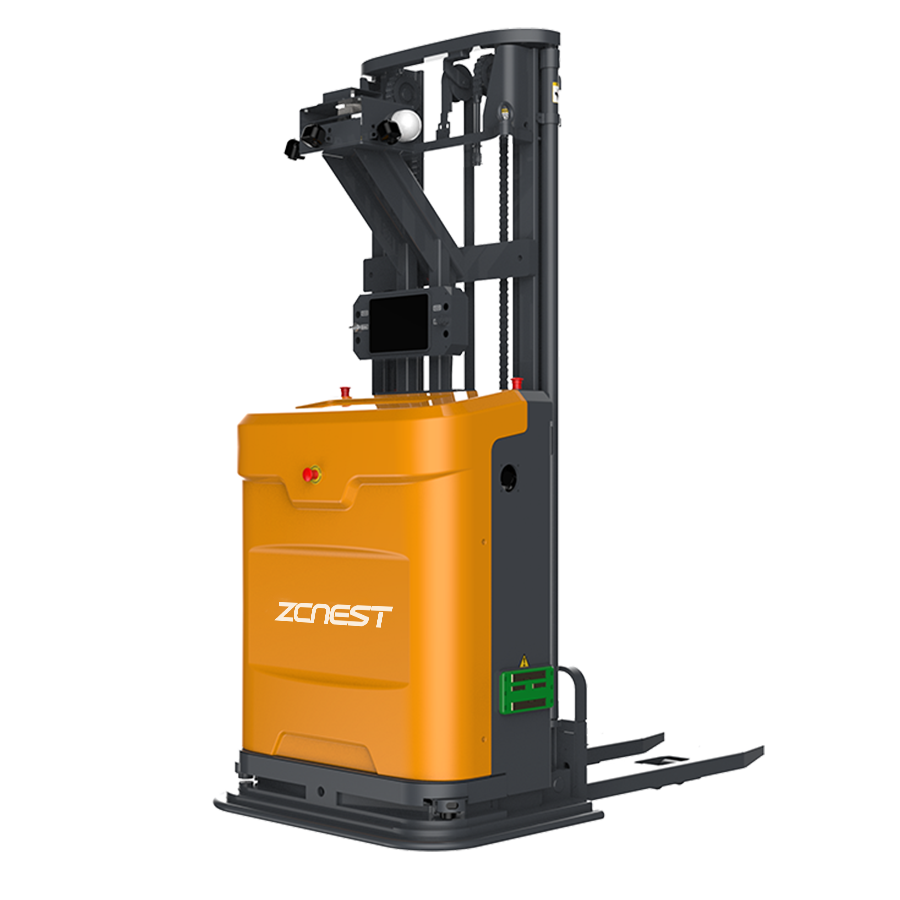
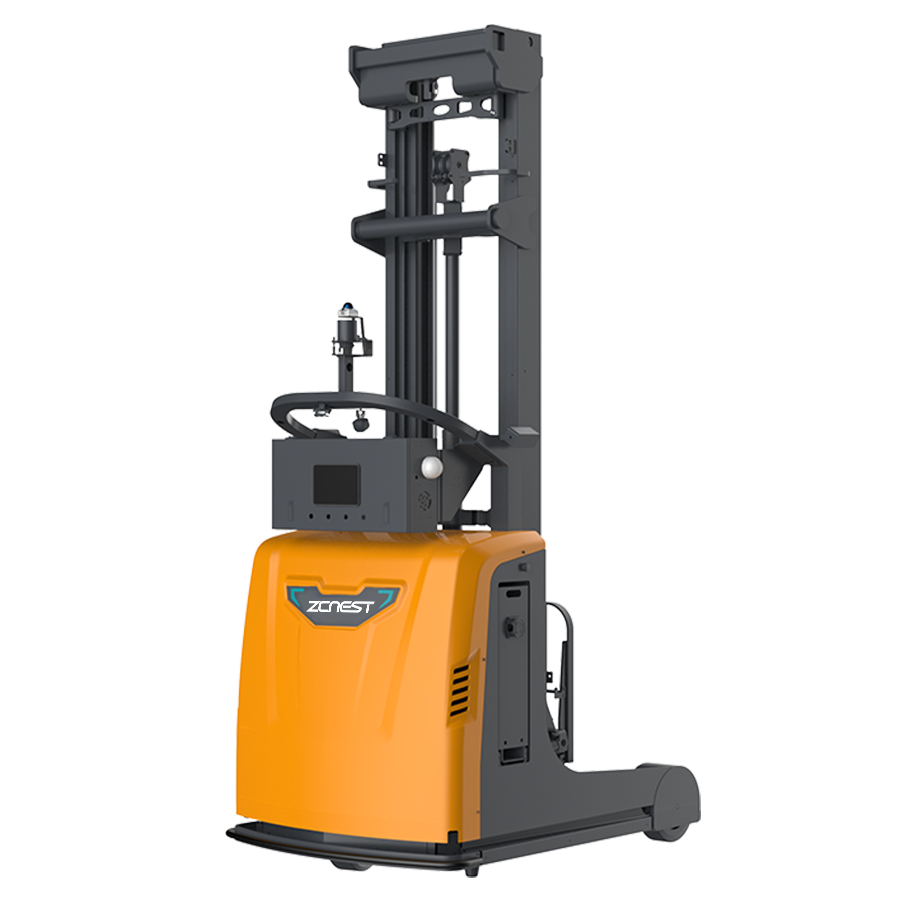
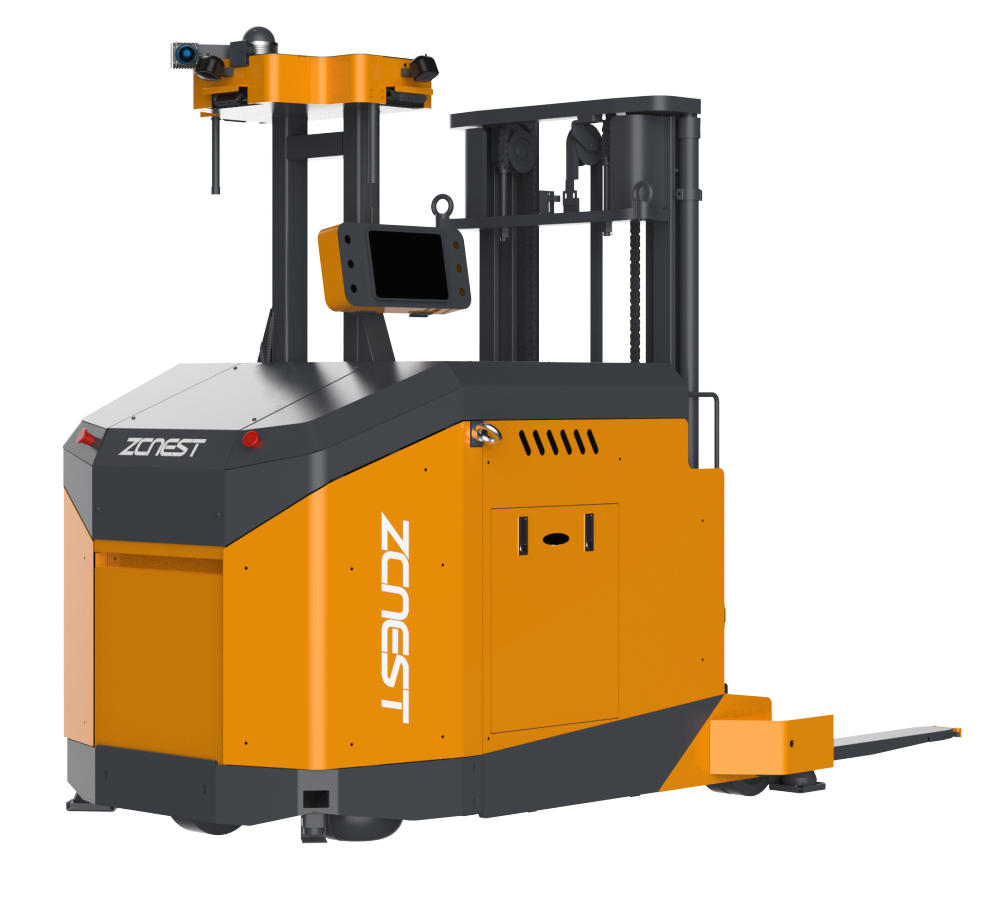
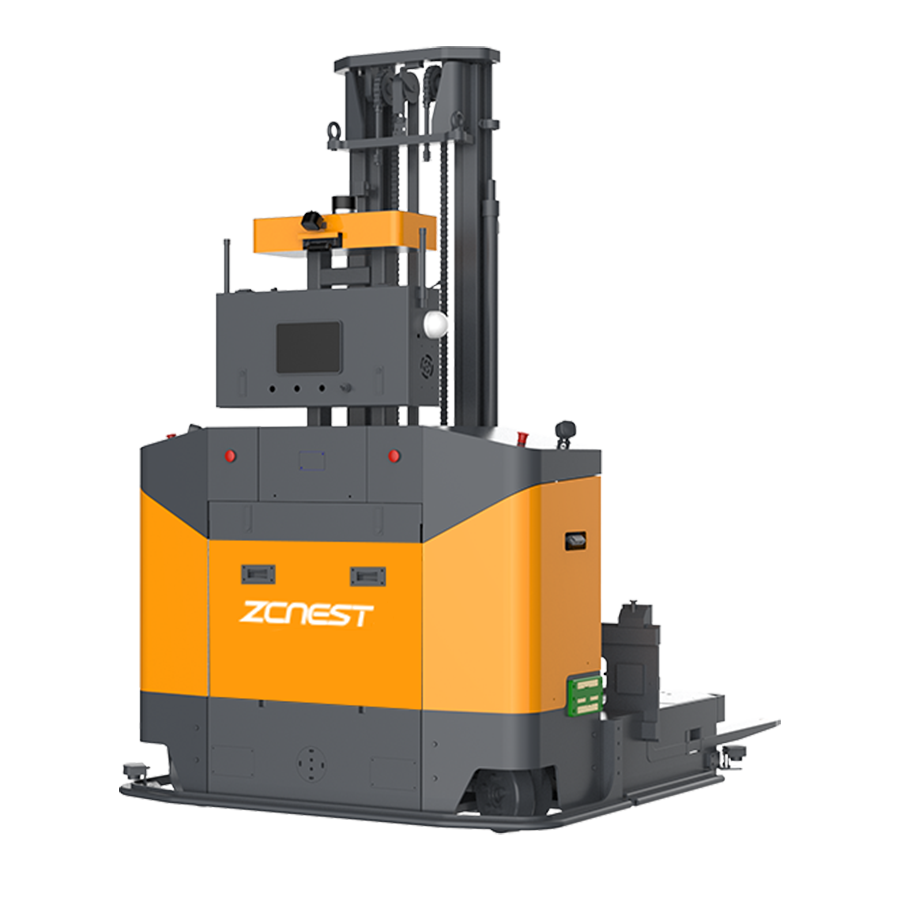
A factory-built AGV forklift is designed as an automated vehicle from the beginning.
This means the mechanical structure, control system, safety sensors, and software are developed as one integrated platform.
Key advantages include:
Integrated navigation system
Designed-for-automation mechanical structure
Factory-tested safety functions
Optimized battery and charging system
Native fleet management compatibility
Easier future expansion
For large-scale warehouse automation projects, system integration is often more important than the initial equipment price.
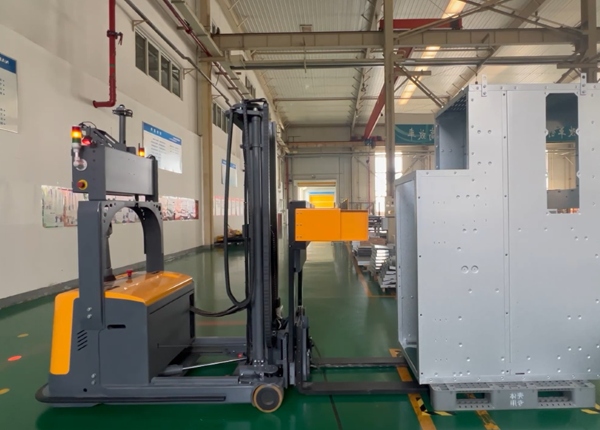
Reliability depends heavily on the quality of the retrofit design and the condition of the original forklift.
A retrofit project must integrate multiple additional systems, including:
Drive control interface
Steering automation
Safety sensors
Navigation hardware
Industrial computers
Communication modules
The challenge is that the original forklift was not originally engineered for autonomous operation.
Mechanical wear, controller compatibility, and software adaptation can create additional engineering challenges.
Safety certification is one of the most important differences between retrofitting and purchasing a dedicated AGV.
A complete AGV forklift normally goes through system-level safety evaluation covering:
Emergency stop functions
Obstacle detection
Speed control
Navigation safety
Load handling operation
Human-machine interaction
With retrofit solutions, certification responsibility may depend on how the automation system is integrated and who is responsible for the final machine safety assessment.
Companies should verify certification documents instead of assuming that an automation kit automatically provides the same safety level as a purpose-built AGV.
Production disruption is often overlooked when comparing retrofit costs.
A retrofit project may require:
Removing existing forklift components
Installing sensors and controllers
Software debugging
Navigation testing
Operator training
Warehouse validation
During this period, the forklift may not be available for normal operation.
A new AGV forklift usually follows a more standardized deployment process because the vehicle has already been engineered and tested before delivery.
The purchase price difference is only one part of the decision.
A complete comparison should include:
Initial equipment investment
Engineering customization cost
Installation time
Software integration cost
Maintenance requirements
Replacement parts
System expansion cost
Downtime risk
A retrofit solution may reduce initial spending but create additional engineering and maintenance costs over time.
One advantage of retrofit projects is that mechanical parts from popular forklift brands may already be available locally.
However, automated components create a second supply chain.
Navigation sensors
Industrial computers
Control modules
Communication equipment
Safety components
Companies should evaluate support availability for both the forklift hardware and automation system.
Retrofitting may be suitable when:
The existing forklifts are relatively new
The fleet is standardized
The operation process is simple
The company wants a limited automation test
Vehicle replacement is not practical
Purchasing new AGV forklifts is usually preferred when companies require:
High reliability
24/7 warehouse operation
Large fleet deployment
Complex warehouse traffic management
Future automation expansion
Integrated safety certification
What is the remaining service life of our current forklifts?
How much downtime will conversion create?
Who is responsible for final safety certification?
Can the system support future fleet expansion?
What spare parts will be required?
What is the five-year total ownership cost?
Which solution provides better operational reliability?
Forklift retrofit and new AGV purchase are not simply a low-cost versus high-cost decision.
The right choice depends on warehouse requirements, automation scale, safety expectations, and long-term operational goals.
For companies planning to import AGV forklifts from China, evaluating reliability, certification, deployment time, and five-year ownership cost provides a more accurate foundation for investment decisions.
FREE ENGINEERING SUPPORT Stop Gambling on Generic Platforms. Get an AGV/AMR Tailored to Your Warehouse.Buying automated guided vehicles involves complex safety standards (CE/ANSI), navigation setups (Laser SLAM), and ERP system integration. Don't risk your factory safety with middle-men. ✓ 100% Direct Factory: Customized payload up to 5 Tons. ✓ Free CAD Simulation: Send us your layout, and our engineers will simulate the optimal AGV routes. ✓ Global Support: Overseas installation guidance & local maintenance partners. |





 Chinese
 English