

For many international buyers, the most important question is what happens after the equipment is installed if an unexpected problem occurs.
Understanding the supplier's technical support process helps companies reduce operational risks, minimize downtime and prepare for long-term fleet management.
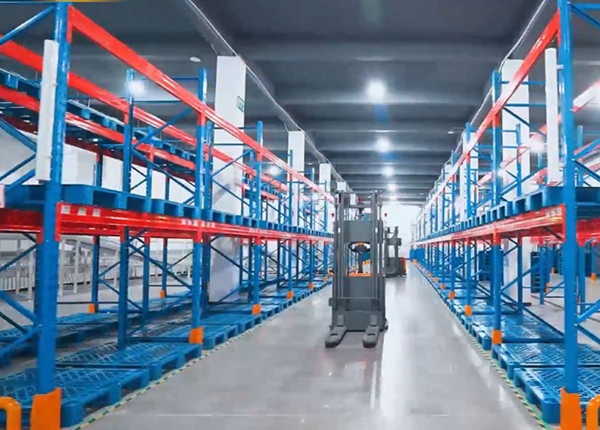
Warehouse automation depends on continuous operation. Even a short interruption can affect production schedules, order fulfillment and warehouse productivity.
Before selecting a supplier, companies should evaluate not only product quality but also the complete after-sales support process.
Incident reporting procedures
Remote diagnostics
Response times
Software recovery
Spare parts availability
Escalation procedures
A structured troubleshooting process helps restore operations more efficiently.
Typical support workflows include:
Report the incident through the agreed support channel.
Collect fault codes, logs and operating information.
Perform an initial remote diagnosis.
Determine whether the issue is software, hardware or network related.
Apply corrective actions or arrange replacement components if necessary.
Verify system performance before returning the AGV to service.
Understanding this process in advance allows warehouse teams to respond more confidently when issues arise.
Many software-related issues can be investigated remotely, provided that the customer's IT policies allow secure access.
Before deployment, companies should define:
Approved remote access methods
Authentication requirements
Access approval procedures
Activity logging
Customer IT supervision
A documented remote support policy helps balance troubleshooting efficiency with cybersecurity requirements.
Not every AGV issue requires an onsite visit.
Examples of issues that may be resolved remotely include:
Software configuration errors
Fleet management settings
Navigation parameter adjustments
System log analysis
Communication troubleshooting
Database or interface configuration
Physical damage or component replacement may require local maintenance support.
An effective maintenance strategy includes planning for critical spare parts before they are needed.
Companies should discuss:
Recommended spare parts inventory
Lead times for replacement components
Regional distribution options
Warranty replacement procedures
Component compatibility
Preparing a spare parts plan can reduce recovery time during unexpected equipment failures.
Enterprise customers often request clear service commitments before signing a contract.
An SLA may define:
Support hours
Initial response time
Issue escalation process
Software update procedures
Communication channels
Responsibilities of both parties
Clearly documented service expectations help avoid misunderstandings during long-term operation.
What is the standard technical support workflow?
What information is required when reporting a fault?
Can software issues be diagnosed remotely?
How are remote access permissions managed?
Which spare parts should be stocked locally?
Are software updates included during the support period?
Is an SLA available for international customers?
What emergency communication channels are provided?
| Evaluation Area | Questions to Review |
|---|---|
| Incident Response | How is a fault reported and tracked? |
| Remote Support | Can software issues be diagnosed securely online? |
| Spare Parts | How quickly can replacement components be obtained? |
| Service Commitment | What response times and support levels are documented? |
Reliable technical support is a key part of any AGV investment. Before choosing a supplier, companies should understand how incidents are handled, how remote diagnostics are performed, how spare parts are supplied and what service commitments are available.
Evaluating the complete support process—not just the equipment itself—helps reduce operational risk and supports long-term success for warehouse automation projects.
FREE ENGINEERING SUPPORT Stop Gambling on Generic Platforms. Get an AGV/AMR Tailored to Your Warehouse.Buying automated guided vehicles involves complex safety standards (CE/ANSI), navigation setups (Laser SLAM), and ERP system integration. Don't risk your factory safety with middle-men. ✓ 100% Direct Factory: Customized payload up to 5 Tons. ✓ Free CAD Simulation: Send us your layout, and our engineers will simulate the optimal AGV routes. ✓ Global Support: Overseas installation guidance & local maintenance partners. |





 Chinese
 English