


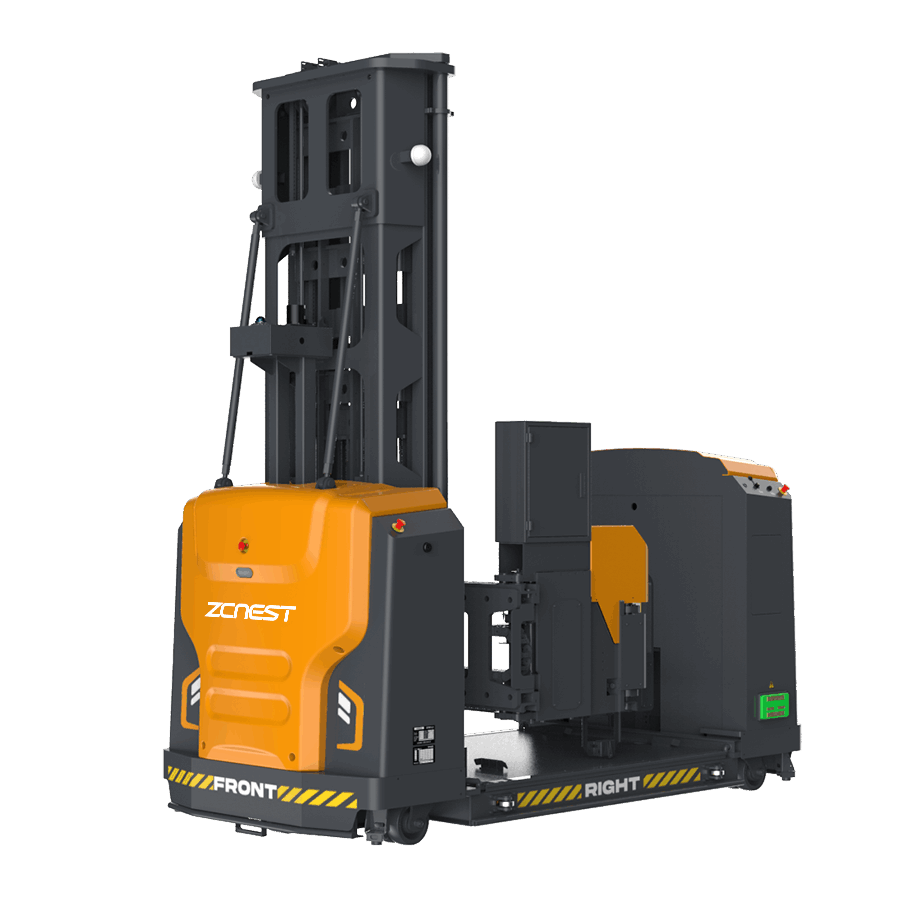
As warehouse space becomes more valuable, many logistics centers are increasing storage density by using higher racking systems and narrower aisles. For companies considering a VNA (Very Narrow Aisle) AGV imported from China, the key question is no longer whether the technology works—it is whether it can operate safely, efficiently, and reliably in a real high-density warehouse.
Before investing in a VNA autonomous forklift, buyers should evaluate aisle requirements, lifting capability, vehicle stability, traffic management and long-term scalability instead of focusing only on specifications.
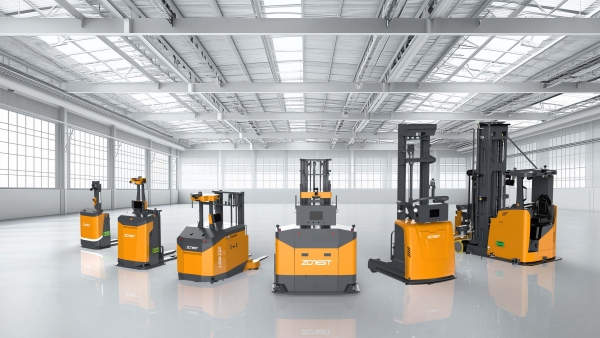
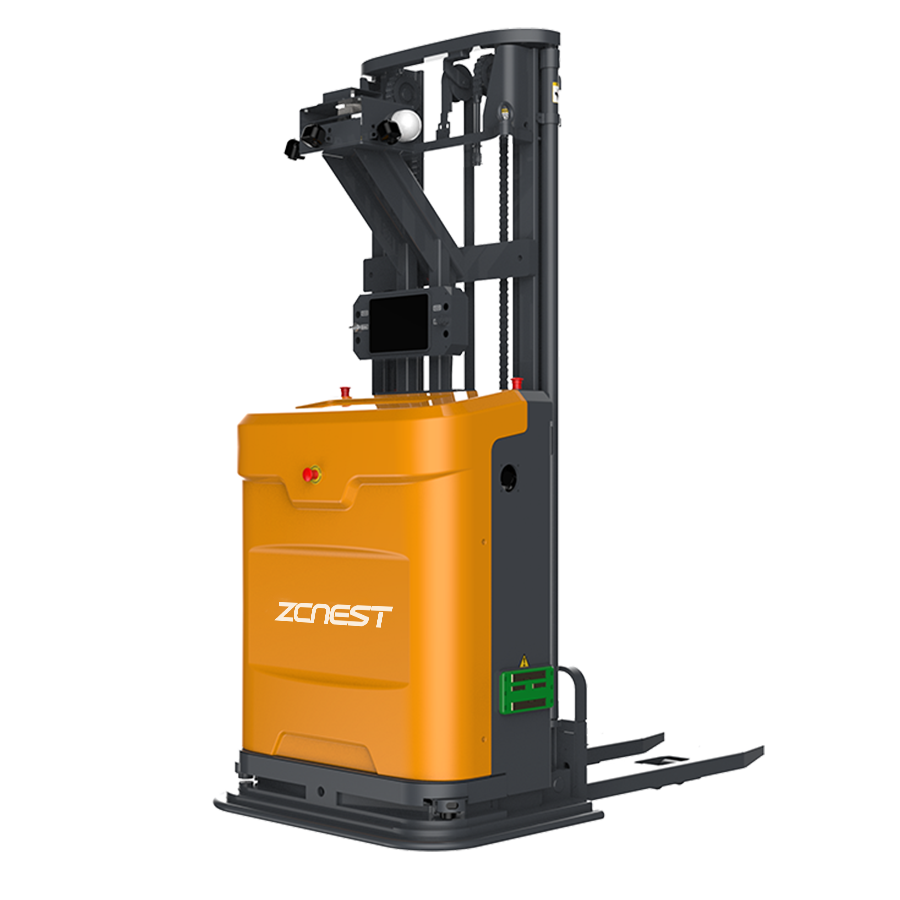
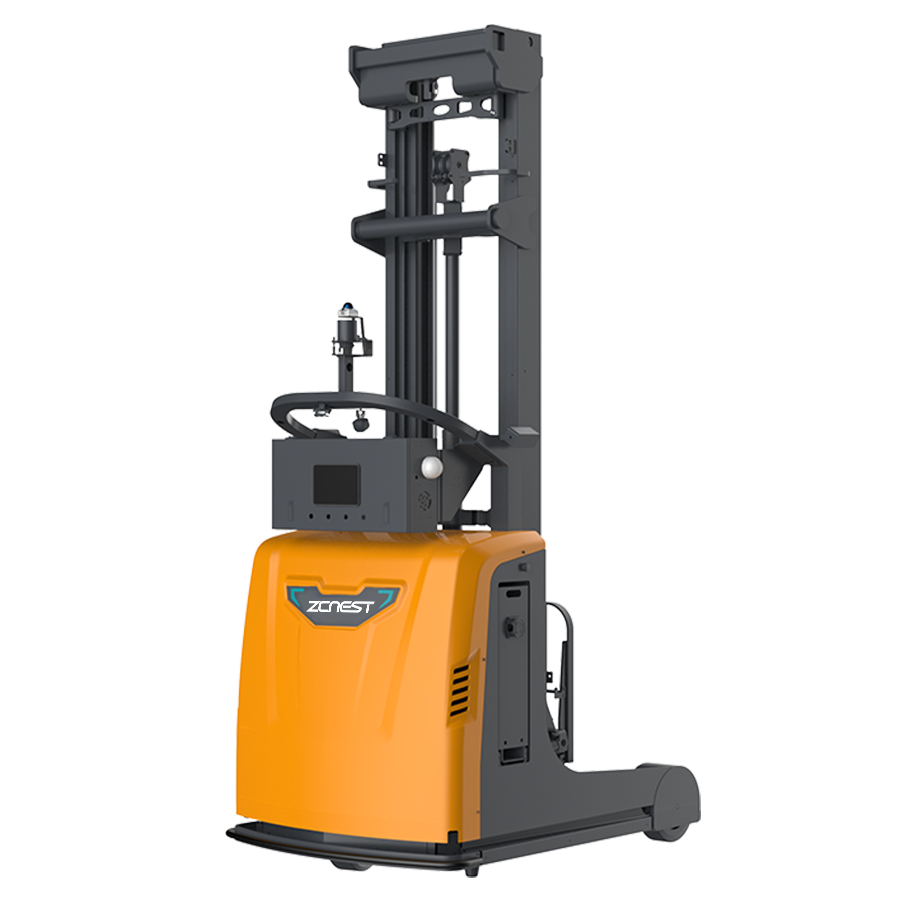
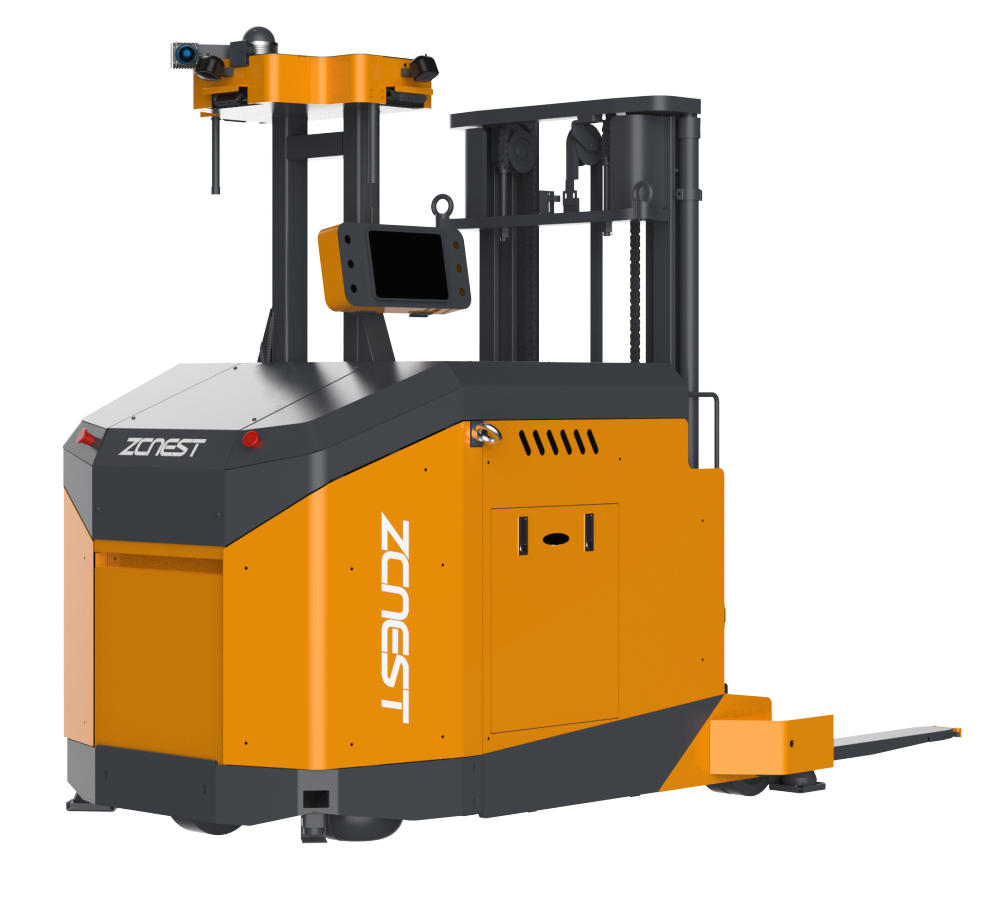
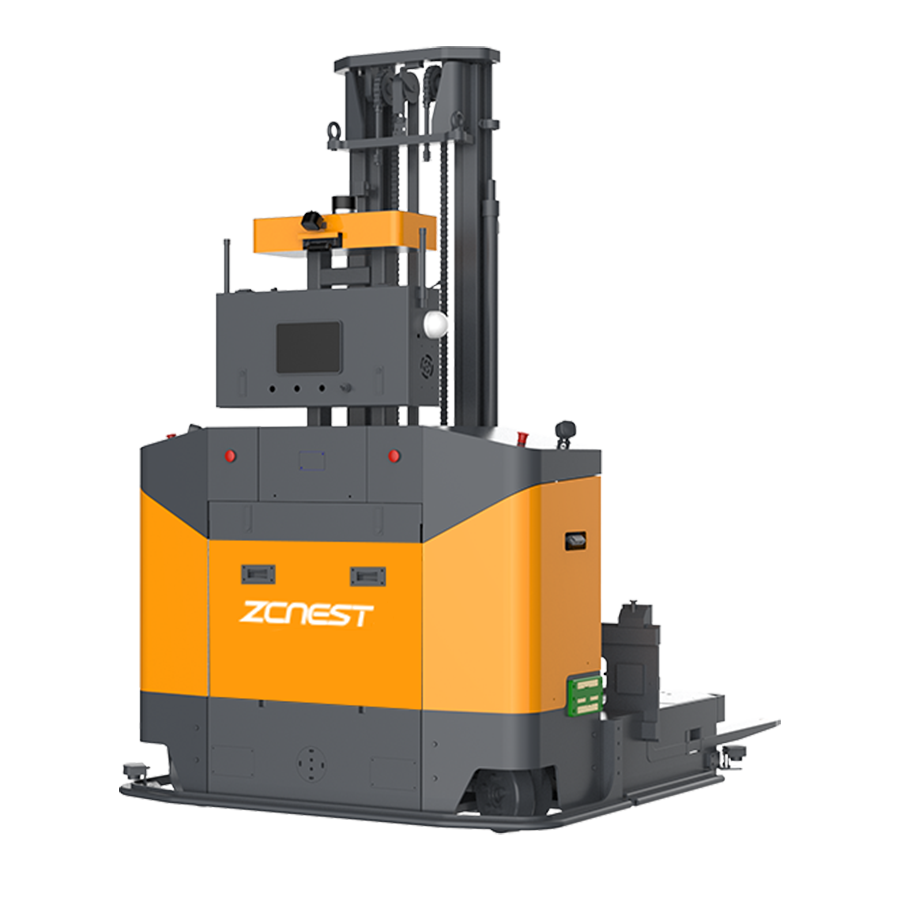
High-density warehouses aim to maximize pallet positions without expanding the building footprint. A VNA AGV is designed to work efficiently in narrow aisles while accessing high-level storage locations.
Typical applications include:
Distribution centers
3PL warehouses
Cold storage facilities
Manufacturing warehouses
E-commerce fulfillment centers
One of the first questions buyers ask is whether a VNA AGV can operate within their existing warehouse layout.
Many modern Chinese VNA AGVs are designed to work in aisles as narrow as 1.65 meters, helping businesses increase storage density without significantly expanding warehouse space.
Before deployment, companies should verify aisle dimensions, rack tolerances, floor conditions and turning areas to ensure compatibility with the selected vehicle.
High-bay warehouses require more than lift height—they require consistent positioning accuracy and stable operation throughout every lifting cycle.
Many Chinese VNA AGVs are capable of handling pallet operations at heights of up to 11 meters, making them suitable for high-density storage applications where vertical space is fully utilized.
When evaluating equipment, buyers should consider:
Maximum lifting height
Positioning accuracy
Rated load capacity at height
Fork alignment performance
Rack compatibility
Lifting heavy pallets to significant heights introduces additional safety considerations.
A professional VNA AGV should maintain stable operation by combining mechanical design, intelligent motion control and continuous monitoring throughout the lifting process.
Companies should evaluate how the system manages:
Load stability
Acceleration and deceleration
Mast movement
Travel speed while carrying loads
Automatic speed adjustment at different lift heights
Modern warehouses often combine autonomous forklifts, manual forklifts and warehouse personnel within the same facility.
To improve operational safety, AGV fleet management systems may automatically adjust vehicle behavior based on surrounding traffic conditions.
Typical functions include:
Automatic speed reduction in narrow aisles
Obstacle detection
Traffic priority management
Safe stopping distances
Dynamic route planning
Warehouse automation projects often begin with a small fleet before expanding across additional storage zones.
Before purchasing, companies should evaluate whether the AGV system supports:
Additional vehicles
New warehouse areas
Higher rack installations
Integration with warehouse software
Future automation upgrades
| Evaluation Item | Questions to Consider |
|---|---|
| Warehouse Layout | Is the aisle width compatible with VNA operation? |
| Storage Height | Can the vehicle safely reach the required rack levels? |
| Safety | How does the AGV behave around people and other vehicles? |
| Scalability | Can additional AGVs and warehouse areas be added later? |
What is the minimum operating aisle width for this model?
What is the maximum lifting height under rated load?
How is load stability maintained above 10 meters?
Does the AGV automatically reduce speed in narrow aisles or mixed-traffic environments?
Can the fleet management software coordinate multiple AGVs in the same warehouse?
What warehouse layouts are recommended for optimal performance?
Can the system support future warehouse expansion?
Choosing a VNA AGV involves more than comparing lift heights or travel speeds. Businesses should evaluate how the vehicle performs in real warehouse conditions, including narrow aisles, high-level storage, mixed traffic and future expansion plans.
For high-density warehouses, selecting a VNA AGV that can operate in aisles as narrow as 1.65 meters while reaching storage heights of up to 11 meters can help maximize storage capacity, improve operational efficiency and support long-term warehouse automation strategies.
FREE ENGINEERING SUPPORT Stop Gambling on Generic Platforms. Get an AGV/AMR Tailored to Your Warehouse.Buying automated guided vehicles involves complex safety standards (CE/ANSI), navigation setups (Laser SLAM), and ERP system integration. Don't risk your factory safety with middle-men. ✓ 100% Direct Factory: Customized payload up to 5 Tons. ✓ Free CAD Simulation: Send us your layout, and our engineers will simulate the optimal AGV routes. ✓ Global Support: Overseas installation guidance & local maintenance partners. |





 Chinese
 English