


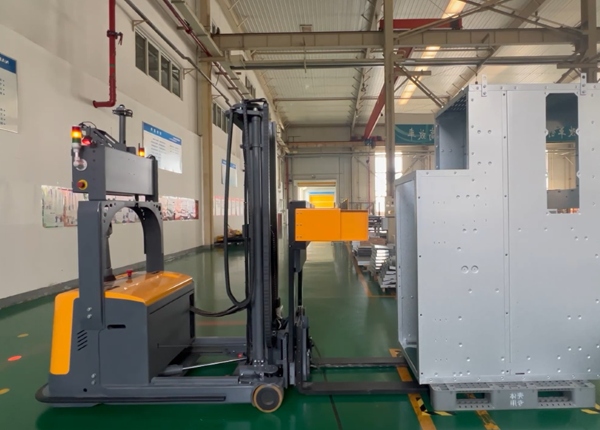
The challenge is no longer choosing individual robots—it's ensuring they operate together as one coordinated fleet. Before investing in multiple AGV models from China, companies should evaluate fleet management software, traffic coordination, task scheduling, interoperability and long-term scalability.
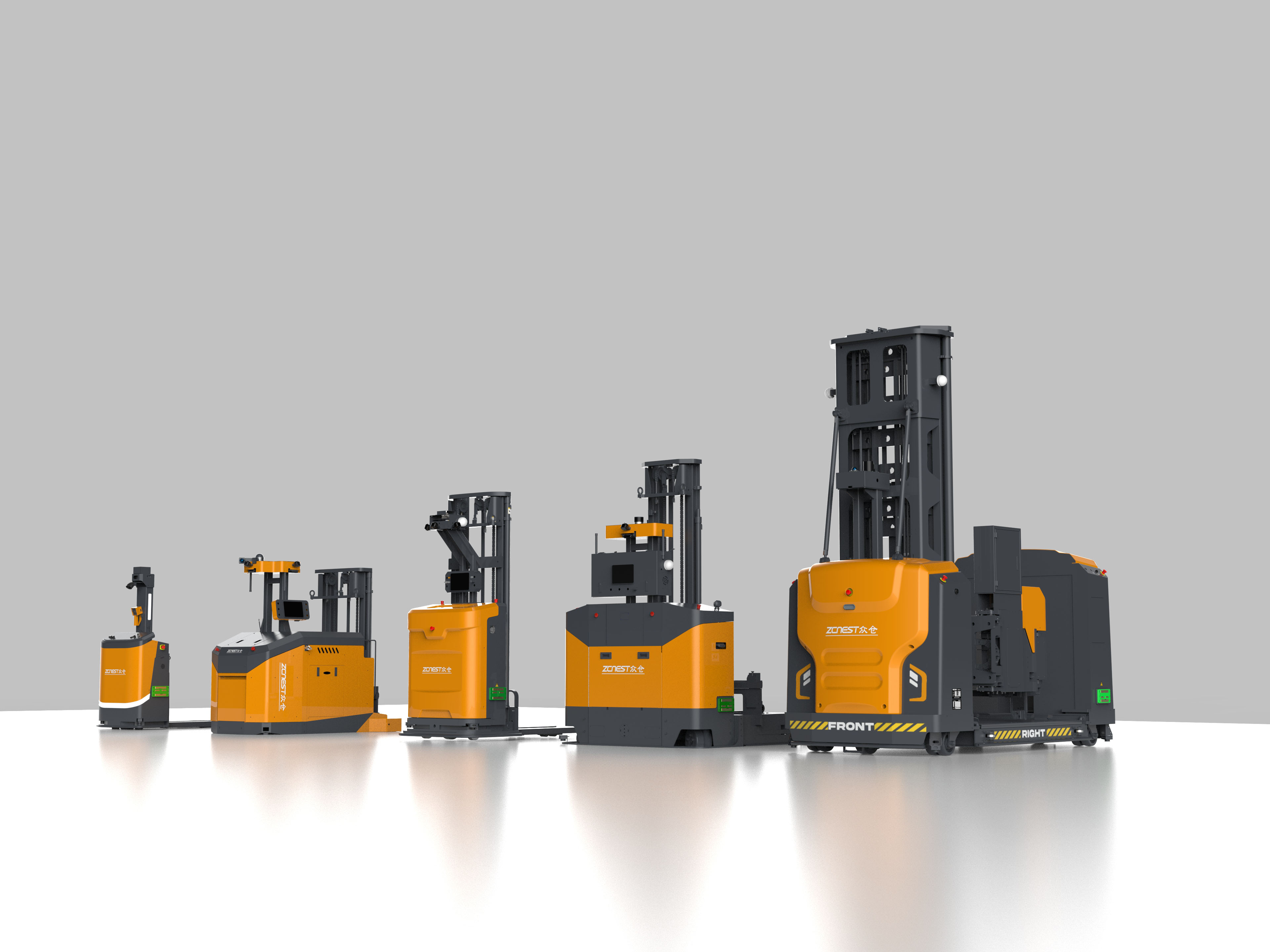
Different warehouse workflows require different vehicle capabilities. Rather than forcing one robot to perform every task, businesses increasingly deploy specialized AGVs for receiving, storage, replenishment and shipping.
A mixed fleet can improve operational flexibility while allowing each vehicle type to operate where it performs best.
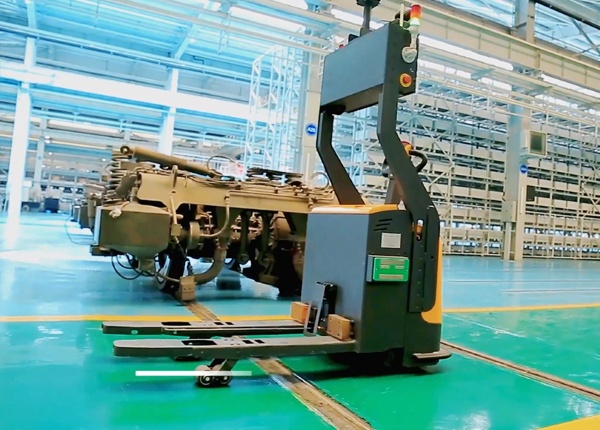
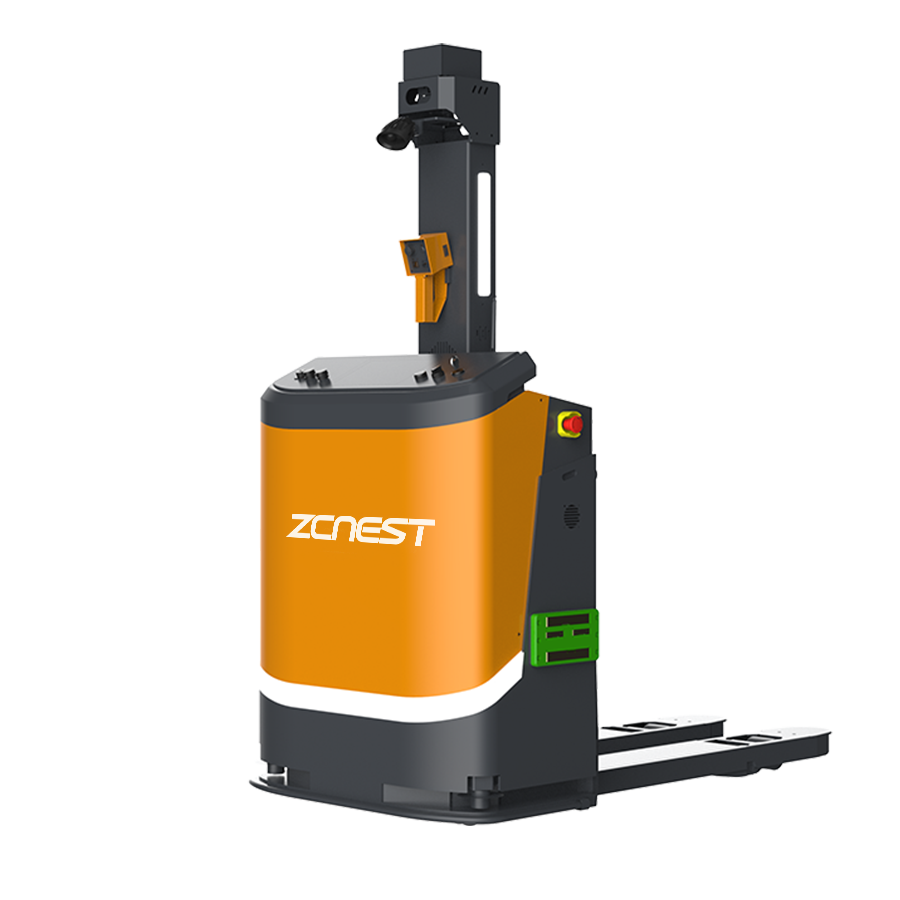
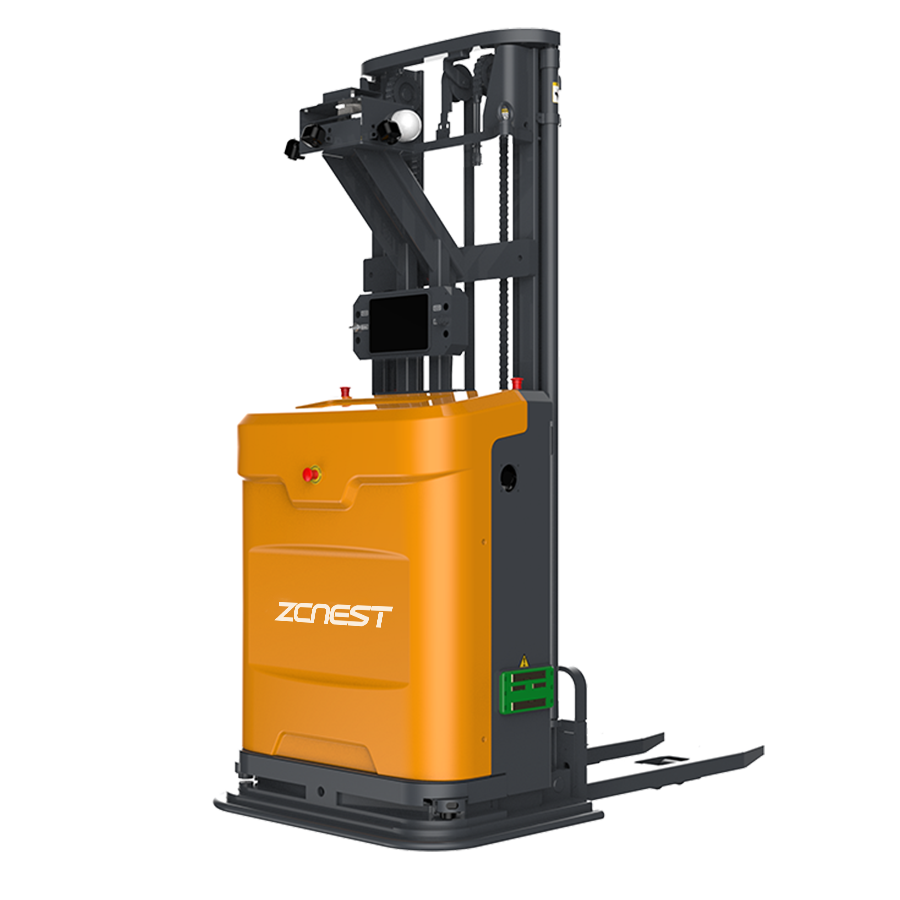
Pallet stacker AGVs
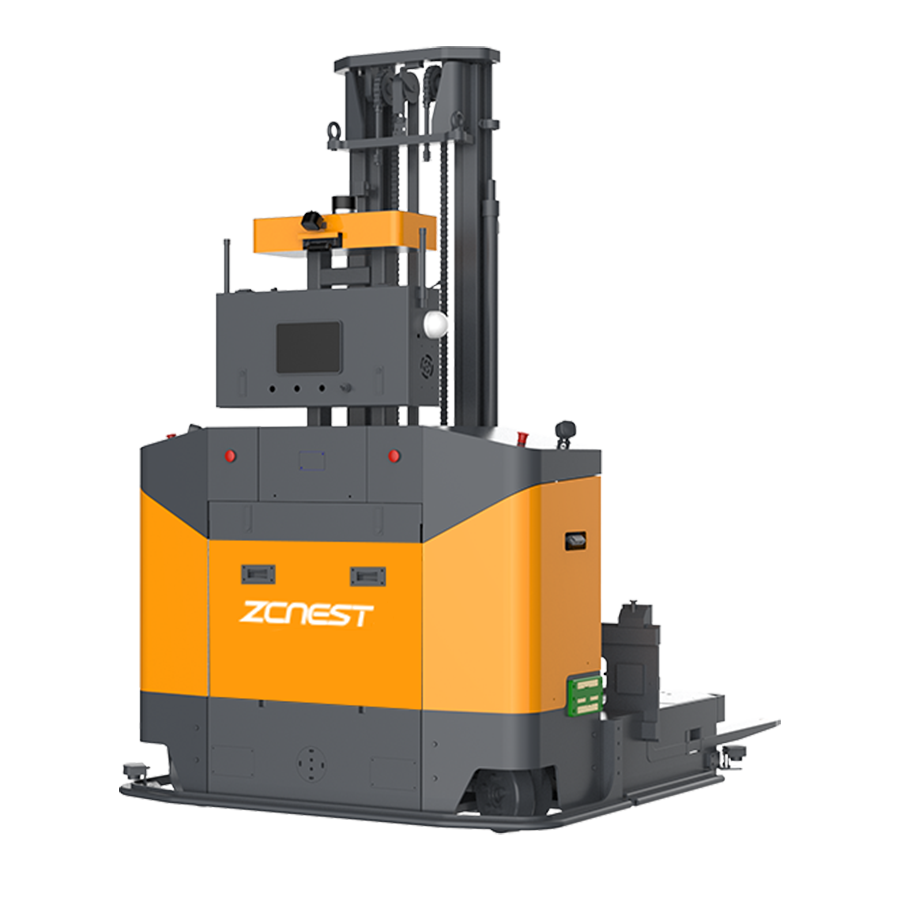
Counterbalanced AGVs
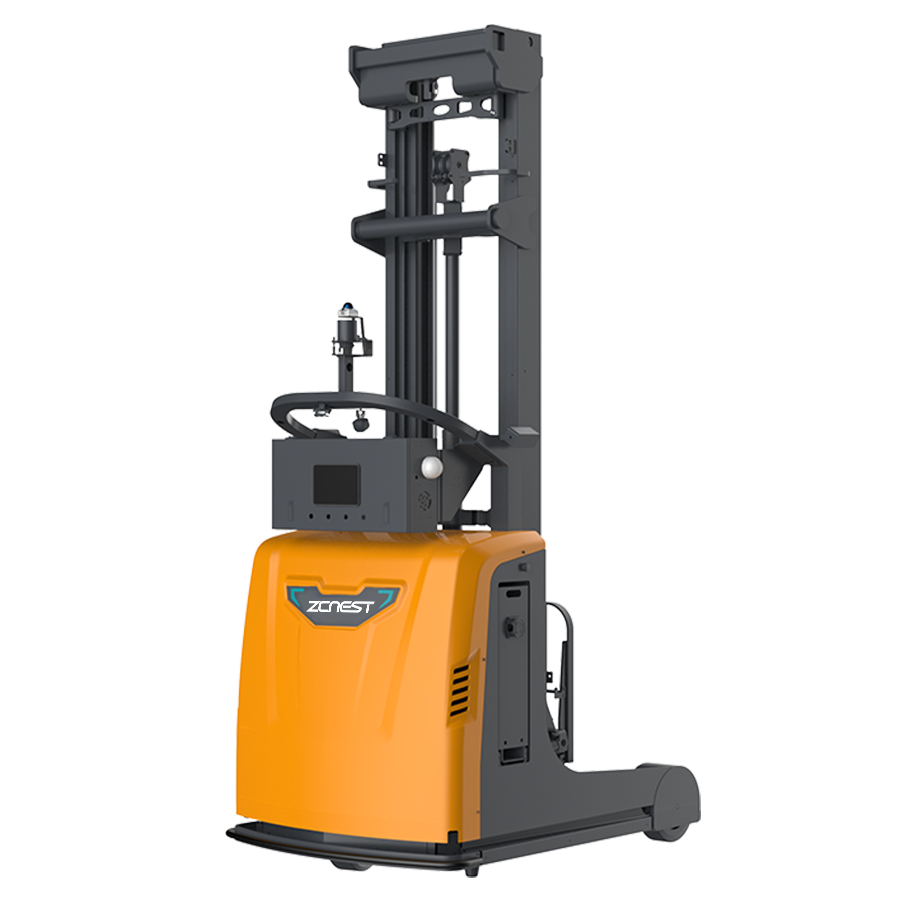
Reach truck AGVs
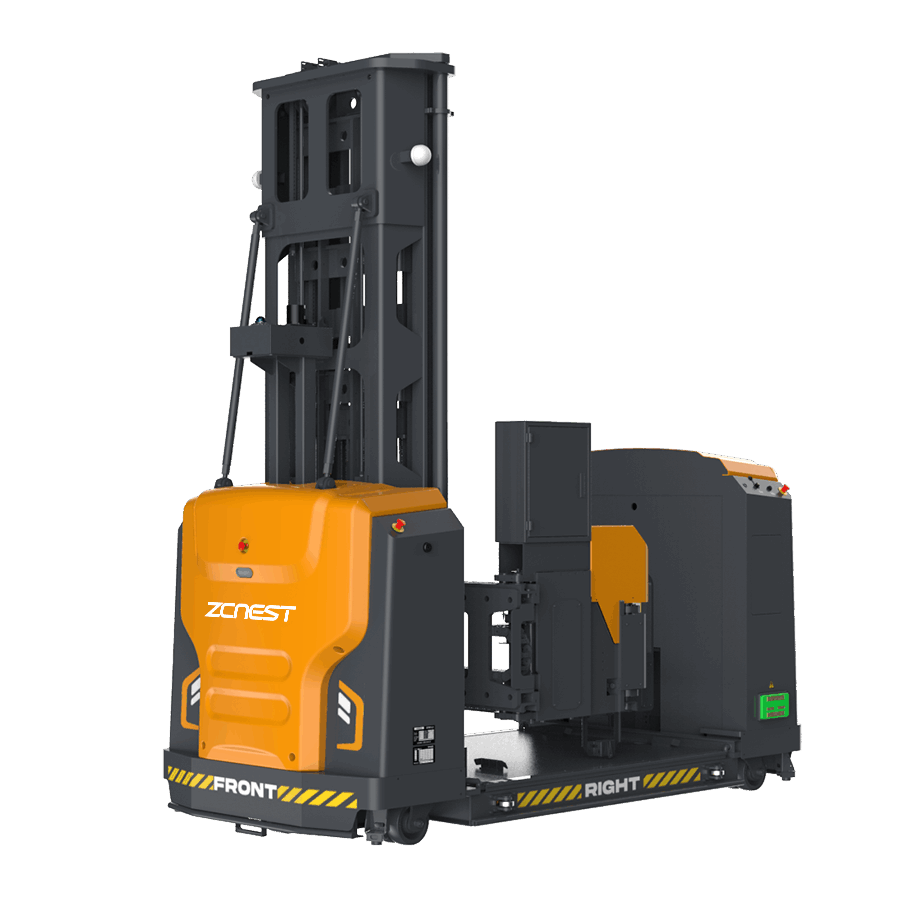
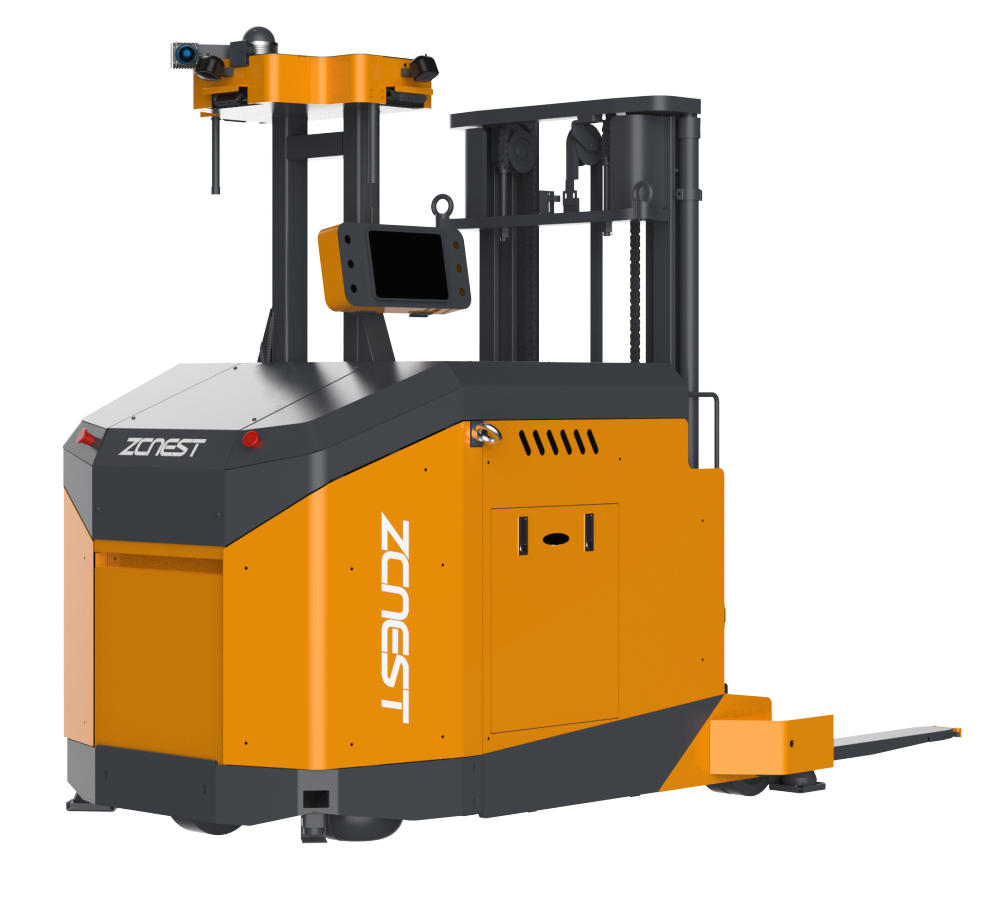
Very Narrow Aisle (VNA) AGVs
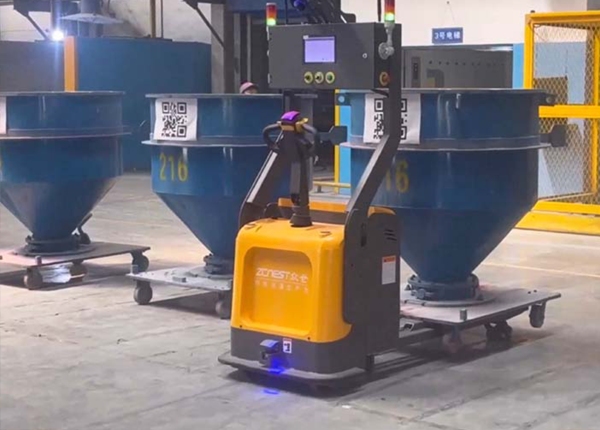
AMRs for material transport
One of the first questions buyers should ask is whether all vehicle types can be managed through a single fleet management platform.
A unified dispatch system can simplify daily operations by providing centralized task assignment, fleet monitoring and operational reporting, reducing the need to manage multiple independent software platforms.
Before selecting a supplier, companies should confirm how additional vehicle types can be added as warehouse requirements evolve.
As the number of autonomous vehicles increases, traffic coordination becomes a critical part of warehouse efficiency.
Fleet management software should coordinate vehicle movements in shared operating areas such as:
Warehouse intersections
Narrow aisles
Loading docks
Charging stations
Elevator entrances
Effective traffic management helps reduce waiting time, avoid congestion and improve overall fleet productivity.
Warehouse automation projects often expand over time, and future equipment may come from different manufacturers.
Before making a purchasing decision, companies should evaluate whether the fleet management software supports open integration through standardized communication interfaces or APIs, making it easier to connect additional autonomous systems in the future.
Interoperability is especially important for businesses planning long-term automation investments.
Not every transport task has the same business importance. Some deliveries directly affect production, while others are routine warehouse movements.
A flexible dispatch system should allow warehouse managers to define task priorities based on operational needs, helping ensure that time-sensitive material movements receive immediate attention while routine transport continues efficiently.
This capability becomes increasingly valuable as fleet size and operational complexity grow.
Many automation projects begin with only a few vehicles before expanding across additional warehouse zones or facilities.
When evaluating suppliers, companies should consider whether the software architecture supports:
Additional AGV models
More operating areas
Higher vehicle quantities
Future warehouse expansion
Integration with warehouse software and enterprise systems
Can one fleet management system control multiple AGV models?
How does the software coordinate vehicle traffic at shared intersections?
Does the platform support integration with third-party mobile robots?
Can transport tasks be prioritized based on business urgency?
How many AGVs can the dispatch system manage?
What communication standards or APIs are supported?
How can the fleet be expanded in the future without replacing existing software?
| Evaluation Area | Key Questions |
|---|---|
| Fleet Management | Can all AGV and AMR models be managed through one platform? |
| Traffic Coordination | How are intersections, charging stations and shared routes managed? |
| System Integration | Can third-party robots and enterprise systems be integrated? |
| Scalability | Will the software support future fleet expansion without major upgrades? |
Managing a mixed AGV and AMR fleet requires more than adding new autonomous vehicles. Businesses should evaluate how fleet management software coordinates different robot types, optimizes traffic flow, prioritizes transport tasks and supports future expansion.
By selecting a scalable and interoperable fleet management platform, companies can build a warehouse automation system that grows with operational demands while maintaining efficiency, safety and long-term return on investment.
FREE ENGINEERING SUPPORT Stop Gambling on Generic Platforms. Get an AGV/AMR Tailored to Your Warehouse.Buying automated guided vehicles involves complex safety standards (CE/ANSI), navigation setups (Laser SLAM), and ERP system integration. Don't risk your factory safety with middle-men. ✓ 100% Direct Factory: Customized payload up to 5 Tons. ✓ Free CAD Simulation: Send us your layout, and our engineers will simulate the optimal AGV routes. ✓ Global Support: Overseas installation guidance & local maintenance partners. |





 Chinese
 English