


Safety is one of the most important considerations when deploying autonomous forklifts in warehouses and industrial facilities. When AGVs operate together with human workers, companies need confidence that the system can detect obstacles, react quickly and maintain safe operation under different working conditions.
Modern Chinese AGV manufacturers typically combine multiple sensing technologies instead of relying on a single sensor. This layered approach helps improve detection reliability and provides additional protection in complex warehouse environments.
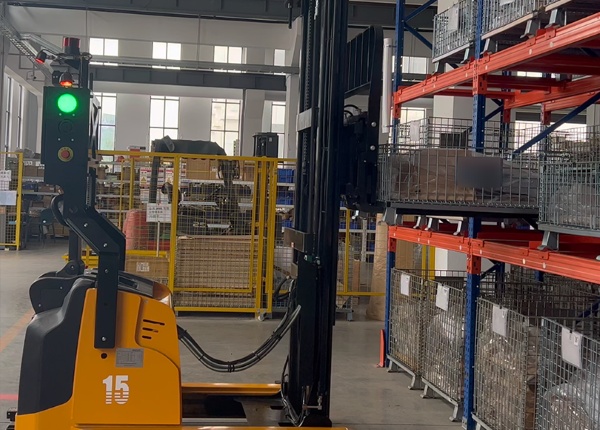
No single sensor technology can perfectly detect every possible obstacle in an industrial environment.
Different sensors have different advantages:
Laser scanners provide accurate distance measurement and navigation safety zones.
3D cameras provide visual information about object shape and height.
Safety sensors provide additional protection around the vehicle.
Software algorithms combine sensor data to make safer decisions.
By combining multiple technologies, AGVs can create multiple layers of safety protection.
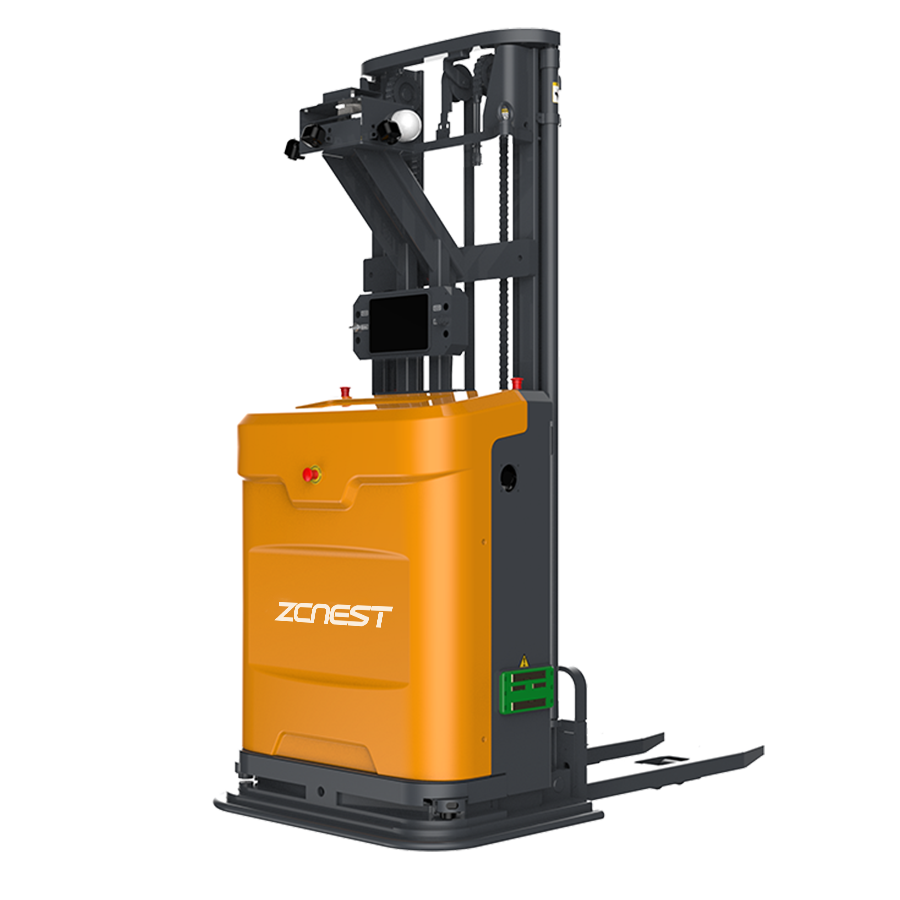
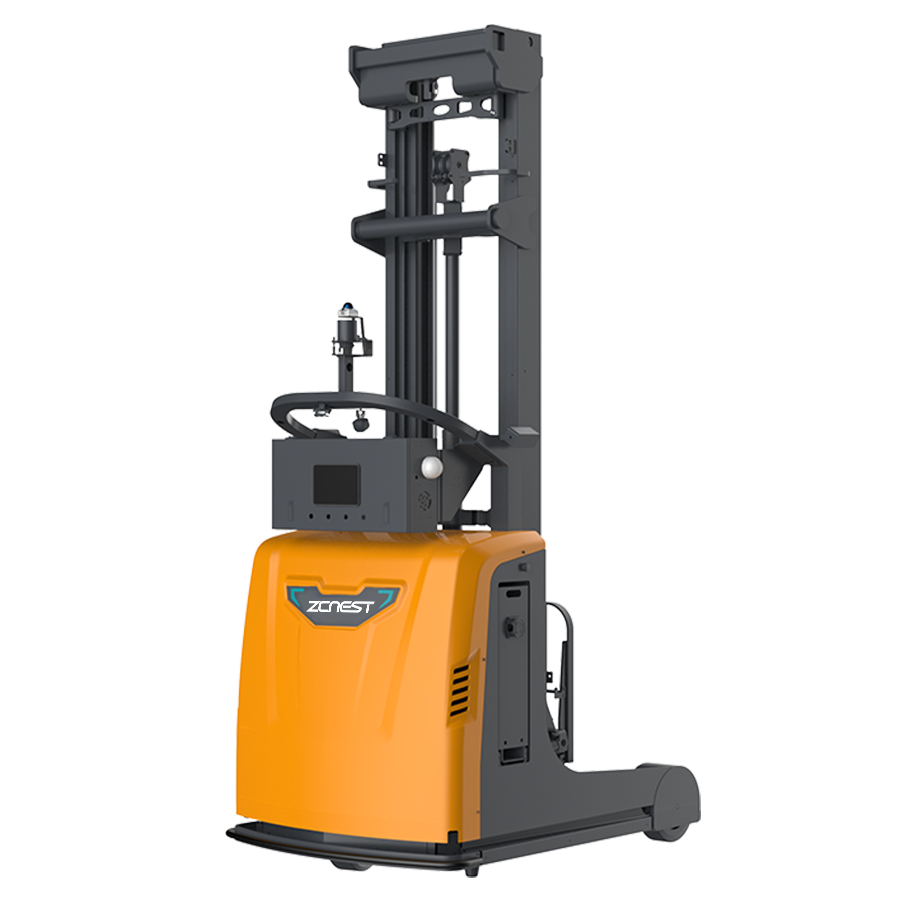
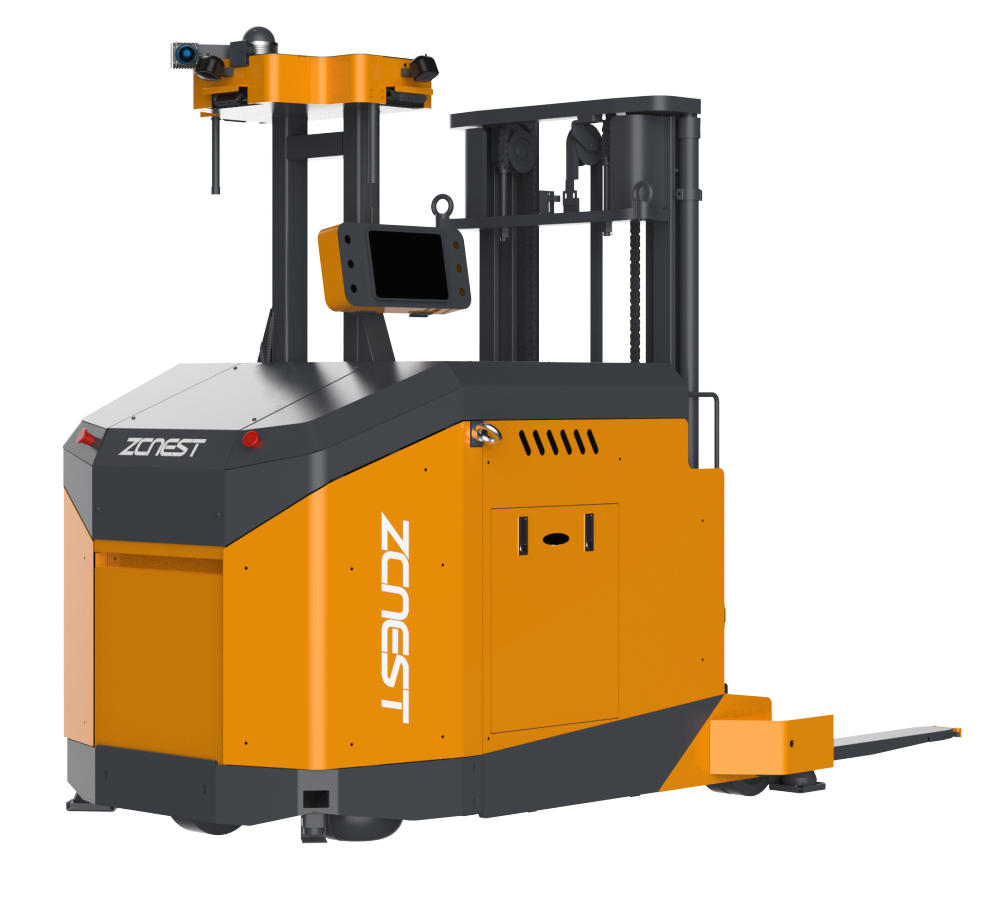
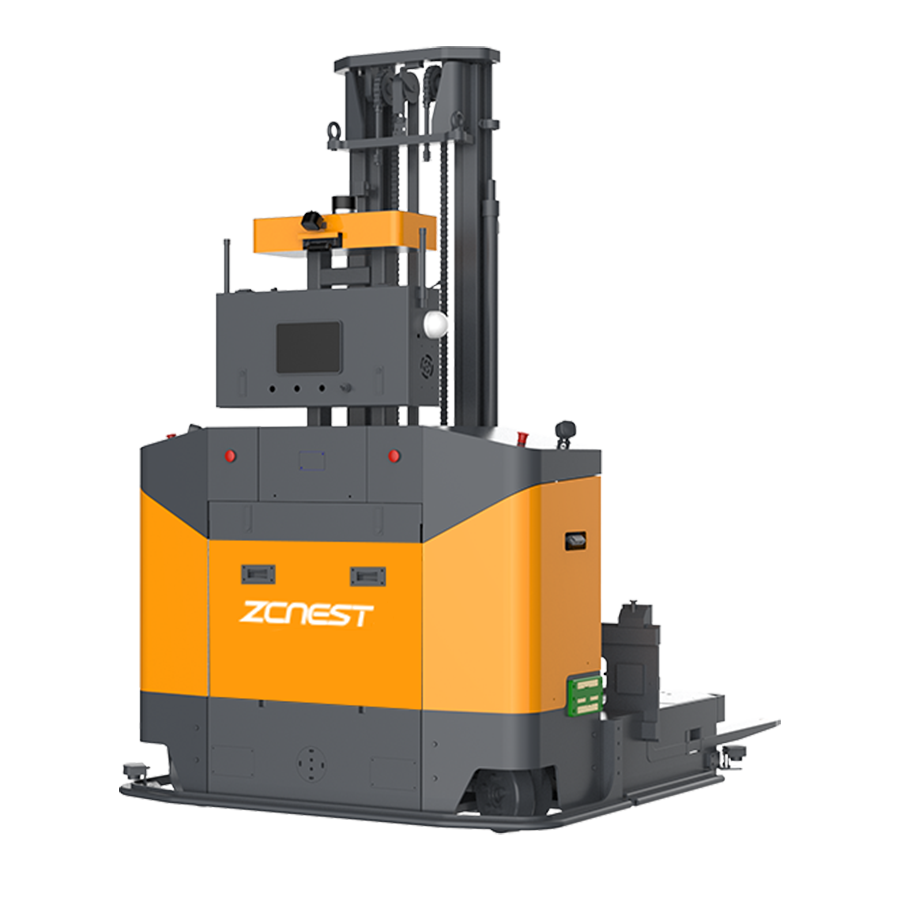
Laser scanners are widely used in autonomous forklifts for obstacle detection and safety zone monitoring. However, 3D cameras can provide additional information that traditional distance sensors may not capture.
A 3D vision system can help identify:
Object height and shape
Different obstacle categories
Human movement patterns
Unexpected objects in operating areas
The combination of laser scanning and 3D vision allows AGVs to better understand their surroundings and improve safety performance in dynamic environments.
Industrial warehouses contain many small obstacles that may not be detected effectively by a single sensing method.
Examples include:
Worker feet entering the driving path
Small tools left on the floor
Pallet fragments
Loose packaging materials
Low-position obstacles
Advanced AGV safety systems combine different sensor heights and detection technologies to improve awareness of objects around the vehicle.
Warehouses often contain obstacles above ground level, including hanging cables, pipes, signs and temporary equipment.
Companies should evaluate whether the AGV safety system considers:
Vehicle height clearance
Overhead structures
Warehouse equipment layout
Dynamic changes in the operating environment
For applications involving high racks or complex factory environments, 3D perception technology can provide additional environmental awareness beyond traditional 2D scanning.
Safety systems should not only work during normal operation but also handle abnormal situations.
A reliable AGV safety design should consider:
Sensor fault detection
Warning notifications
Automatic speed reduction
Emergency stopping procedures
Operator alerts
These safety mechanisms help reduce risks when unexpected conditions occur.
When purchasing autonomous forklifts internationally, companies should verify compliance with applicable safety standards rather than relying only on product descriptions.
Common areas to review include:
CE certification requirements
ISO 3691-4 safety requirements for driverless industrial trucks
TUV testing or certification where applicable
Safety component documentation
Risk assessment reports
Buyers should request technical documentation and certification evidence during supplier evaluation.
A complete safety evaluation should consider the entire system, including hardware, software and operating procedures.
Sensor configuration
Obstacle detection capability
Safety zone adjustment
Emergency response behavior
Human-machine interaction
Certification documentation
What safety sensors are installed on the AGV?
How do 3D cameras and laser scanners work together?
Can the AGV detect low-height obstacles?
How are overhead obstacles handled?
What happens if a sensor becomes blocked?
Which safety certifications are available?
Can you provide safety test reports?
Does the system comply with ISO 3691-4 requirements?
| Safety Area | Evaluation Points |
|---|---|
| Sensor Redundancy | Are multiple technologies used for safety protection? |
| Detection Capability | Can the system detect different obstacle sizes and positions? |
| Safety Standards | Are certifications and test documents available? |
| Failure Response | How does the AGV react during abnormal conditions? |
Safety sensors are a critical part of autonomous forklift deployment, especially when AGVs share working areas with employees. A reliable system should combine multiple sensing technologies, intelligent software and verified safety standards to reduce operational risks.
Before importing AGVs from China, companies should evaluate not only the sensor hardware but also the complete safety architecture, certification documentation and real-world application experience.
FREE ENGINEERING SUPPORT Stop Gambling on Generic Platforms. Get an AGV/AMR Tailored to Your Warehouse.Buying automated guided vehicles involves complex safety standards (CE/ANSI), navigation setups (Laser SLAM), and ERP system integration. Don't risk your factory safety with middle-men. ✓ 100% Direct Factory: Customized payload up to 5 Tons. ✓ Free CAD Simulation: Send us your layout, and our engineers will simulate the optimal AGV routes. ✓ Global Support: Overseas installation guidance & local maintenance partners. |





 Chinese
 English