


In high-density warehouses, pallet positioning accuracy is one of the most important factors when selecting an automated forklift system. A small positioning error can affect storage efficiency, rack safety and overall warehouse performance.
When companies import AGV forklifts from China, they need to understand how navigation systems, sensors and control algorithms work together to achieve reliable pallet storage and retrieval.
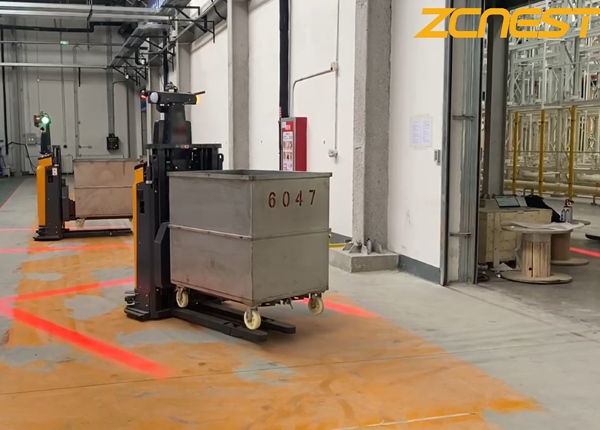
Traditional forklift operators can visually adjust their position during pallet handling. Autonomous forklifts must achieve the same accuracy through sensors and software.
High-precision pallet handling is especially important in:
Drive-in rack systems
Double-deep storage
Narrow aisle warehouses
High-bay storage facilities
Dense automated warehouses
Accurate positioning helps maximize storage density while reducing the risk of product or rack damage.
Automated forklifts use multiple positioning technologies to approach storage locations accurately.
Common technologies include:
Laser SLAM navigation
3D vision cameras
Distance measurement sensors
Rack position detection
High-precision motion control systems
Before inserting forks into a rack lane, the AGV continuously adjusts its position based on sensor feedback and predefined storage coordinates.
Deep-lane storage requires accurate detection because the pallet position may not always be directly visible from outside the rack.
Potential sensing technologies include:
3D cameras for depth perception
Laser sensors for distance measurement
Fork position detection sensors
Load presence detection
Position feedback systems
These technologies help the AGV determine whether the pallet is correctly positioned before lifting or placing the load.
Rack protection is a critical requirement for autonomous forklift applications.
A reliable AGV system should consider:
Approach speed control
Precise stopping position
Obstacle detection
Fork alignment accuracy
Safety distance monitoring
Compared with manual operation, autonomous systems provide consistent movement patterns, which can reduce human operation errors.
Real warehouses rarely have perfectly aligned racks. Small variations can occur due to installation tolerance, floor conditions and long-term usage.
Advanced AGV systems may compensate for these conditions through:
Real-time sensor feedback
Automatic position correction
Navigation map adjustment
Adaptive control algorithms
Precision movement control
Before deployment, warehouse scanning and testing should be performed to confirm that the system matches the actual rack environment.
Pallet handling performance depends on more than the robot itself.
Important factors include:
Warehouse floor flatness
Rack installation accuracy
Pallet condition
Load center position
Navigation technology
Sensor calibration
Software configuration
Before importing automated forklifts, companies should request practical validation rather than relying only on technical specifications.
Recommended testing includes:
Real pallet insertion testing
Deep rack storage simulation
Repeated positioning tests
Rack clearance verification
Maximum load testing
Safety stop verification
What positioning accuracy can the AGV achieve?
How does the system align with rack locations?
Which sensors are used for pallet detection?
Can the AGV operate in deep-lane storage systems?
How does the system compensate for rack deviations?
How is pallet insertion tested before delivery?
Can you provide high-density warehouse references?
| Evaluation Area | Key Questions |
|---|---|
| Position Accuracy | Can the AGV consistently reach the required pallet position? |
| Rack Compatibility | Can the system safely operate with existing rack structures? |
| Sensor System | Are detection technologies suitable for the application? |
| Safety | How does the AGV prevent collision or rack damage? |
Pallet handling accuracy is a critical factor when deploying autonomous forklifts in high-density warehouses. Successful automation requires the right combination of navigation technology, sensor systems, rack compatibility and software control.
Before importing AGVs from China, companies should evaluate real application performance, especially for deep-lane storage, narrow aisles and high-value warehouse environments.
FREE ENGINEERING SUPPORT Stop Gambling on Generic Platforms. Get an AGV/AMR Tailored to Your Warehouse.Buying automated guided vehicles involves complex safety standards (CE/ANSI), navigation setups (Laser SLAM), and ERP system integration. Don't risk your factory safety with middle-men. ✓ 100% Direct Factory: Customized payload up to 5 Tons. ✓ Free CAD Simulation: Send us your layout, and our engineers will simulate the optimal AGV routes. ✓ Global Support: Overseas installation guidance & local maintenance partners. |




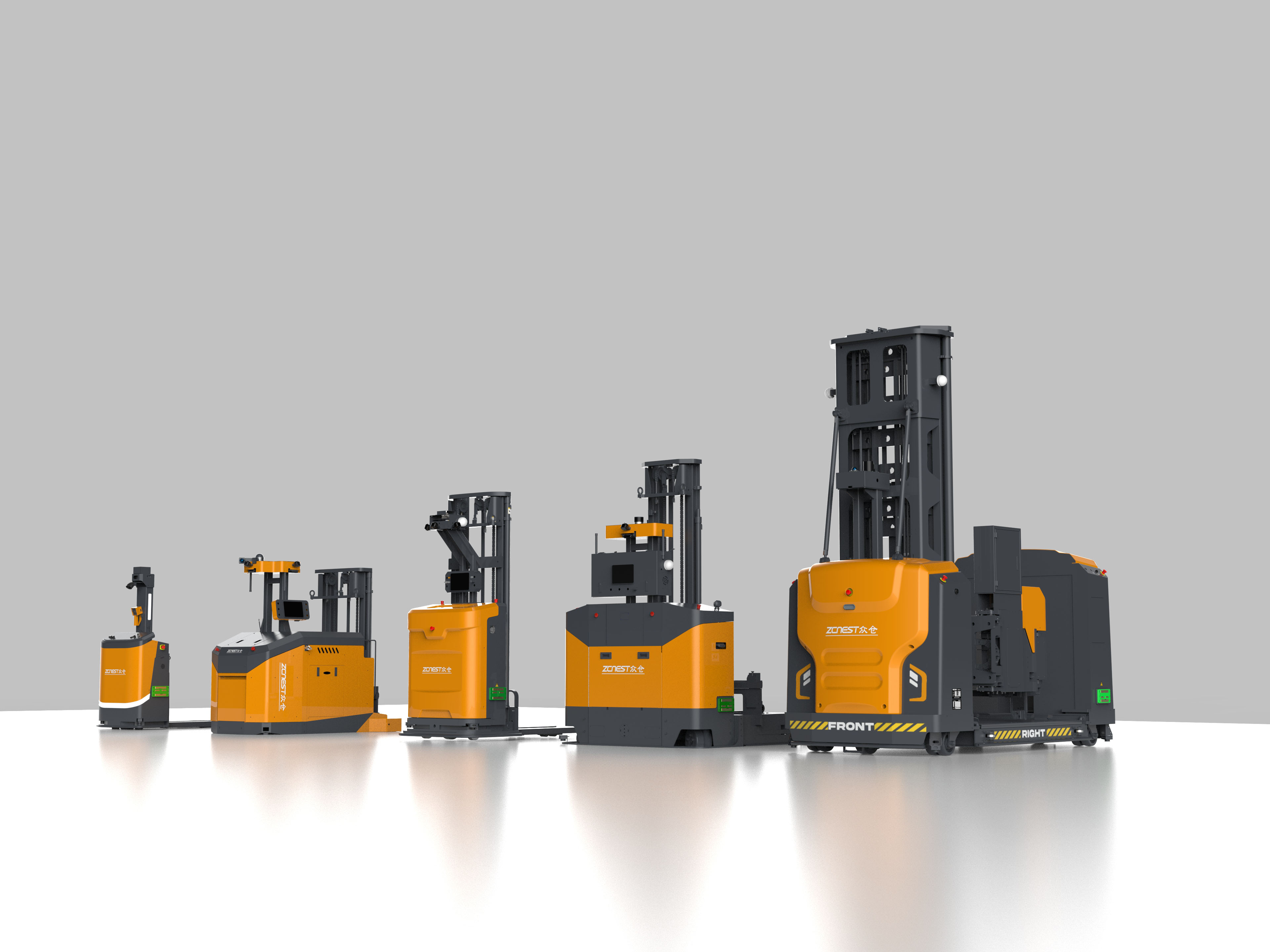
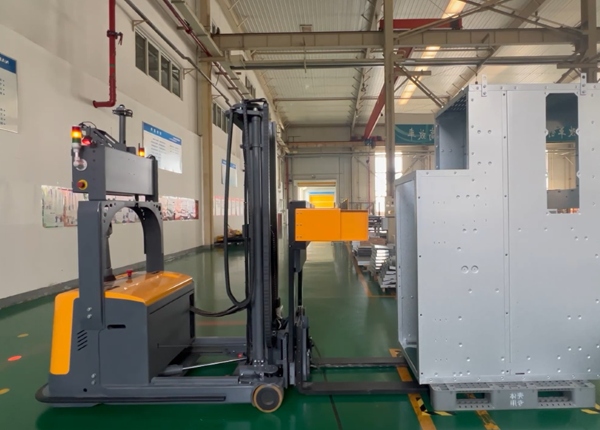
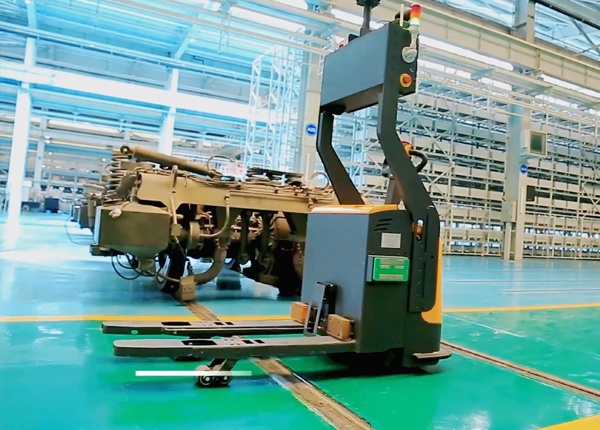







 Chinese
 English




