

Selecting the right autonomous forklift is one of the most important decisions in a warehouse automation project. While both counterbalanced AGVs and reach AGVs automate pallet handling, they are designed for different operating environments and material handling tasks.
Instead of asking which model is "better," companies should evaluate which vehicle best matches their warehouse layout, pallet flow, storage density and future expansion plans.
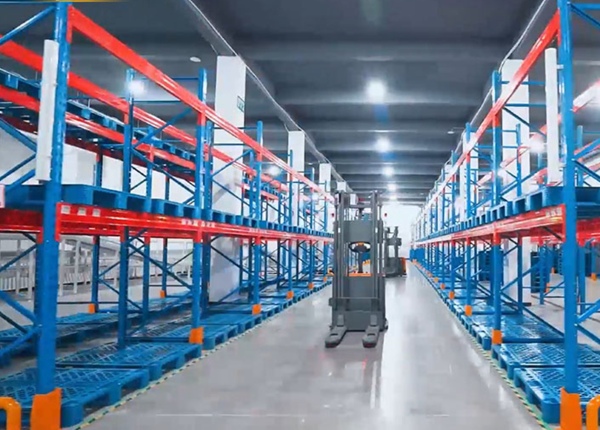
The wrong vehicle selection can reduce warehouse efficiency, increase operating costs and limit future automation upgrades. A structured comparison helps buyers match the AGV to their real operating conditions rather than selecting based only on purchase price.
Typical evaluation factors include:
Warehouse layout
Aisle width
Rack height
Truck loading requirements
Pallet type
Floor condition
Future warehouse expansion
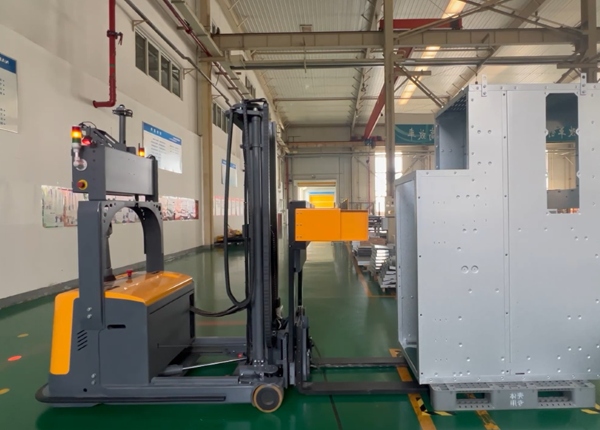
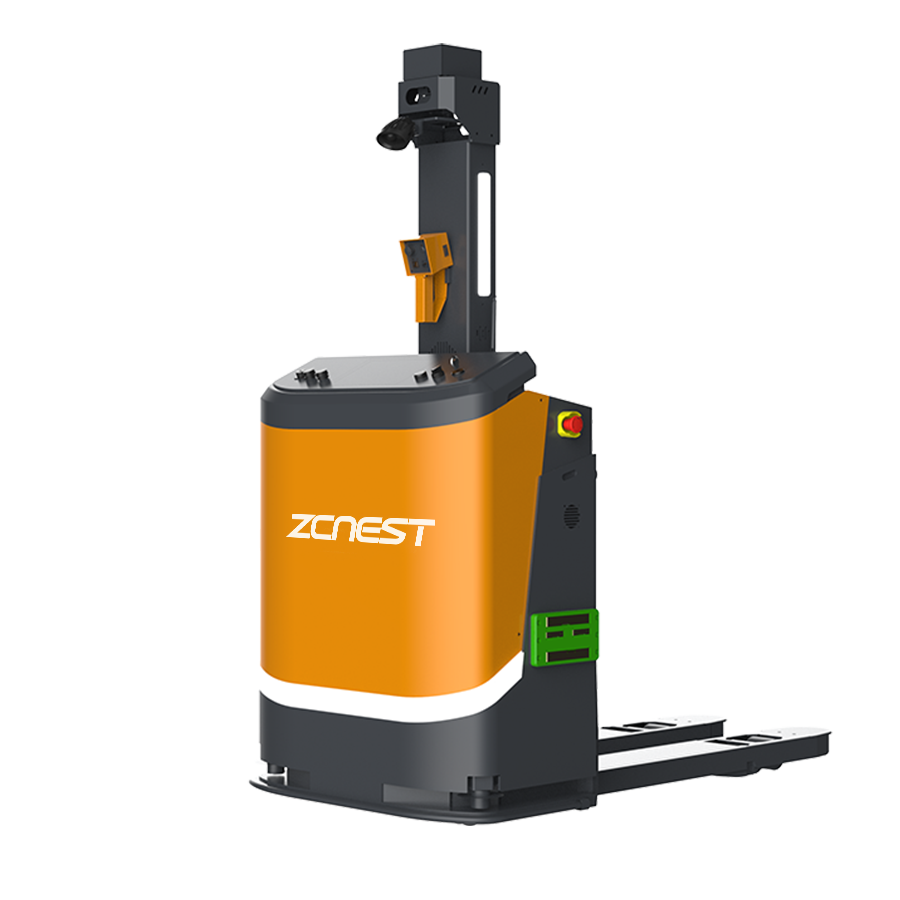
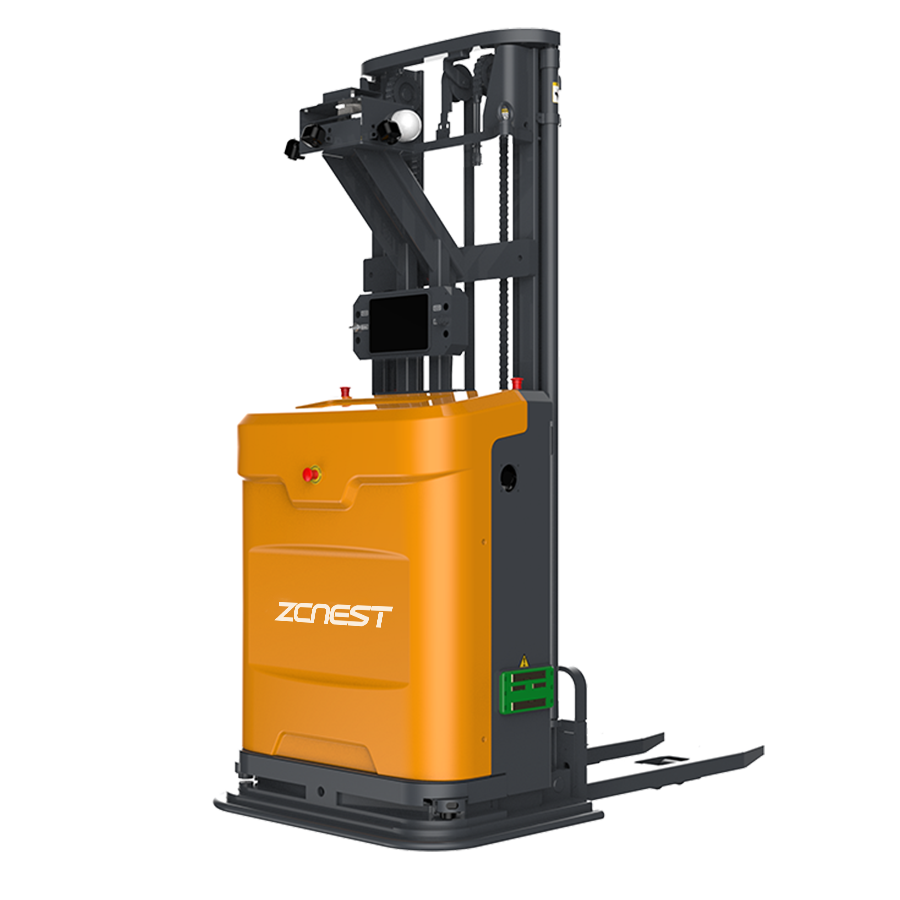
Counterbalanced AGVs are commonly selected for operations that involve loading docks, production areas and general warehouse transportation where loads are frequently moved without entering deep storage racks.
Typical applications include:
Loading and unloading trailers or flatbed trucks
Receiving goods from suppliers
Transporting pallets between production and warehouse areas
Ground-level pallet movement
Mixed indoor logistics operations
Their open-front design makes them suitable for handling pallets in areas where rack access is not the primary requirement.
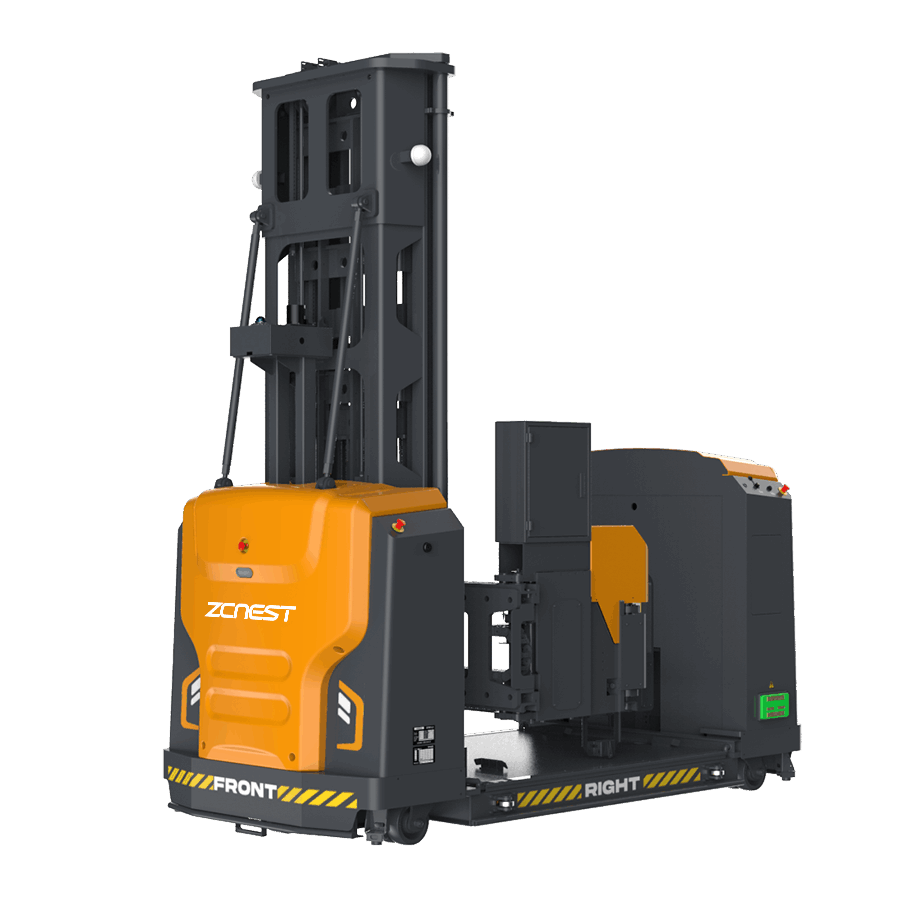
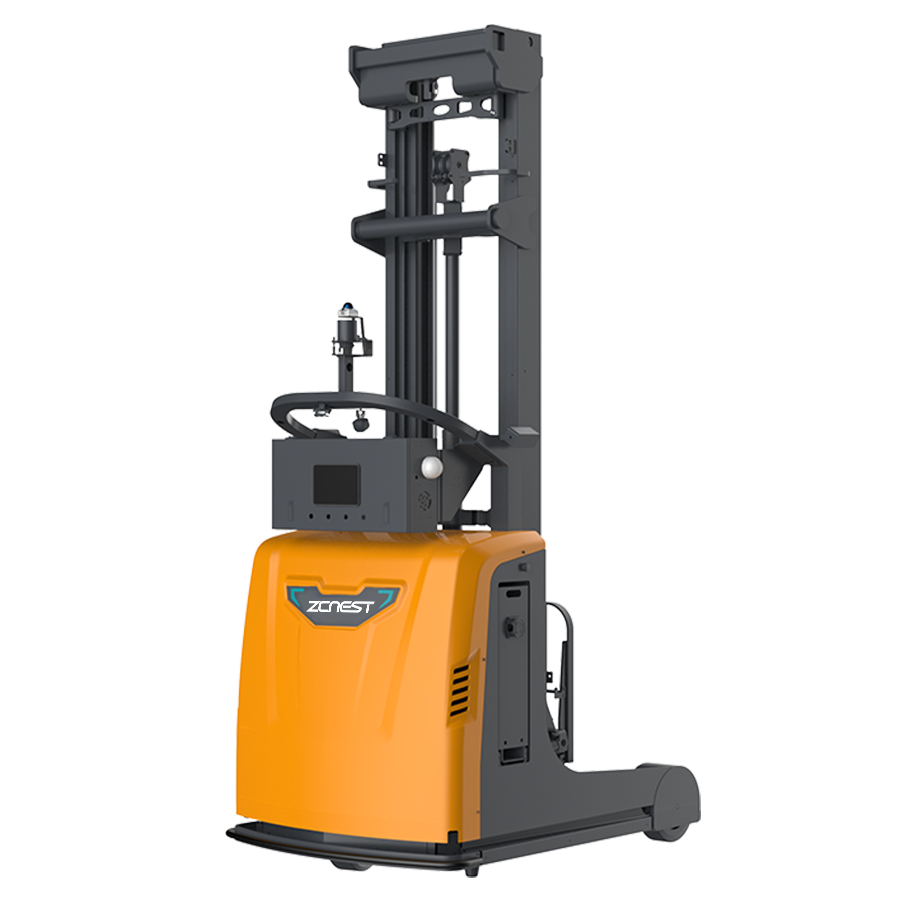
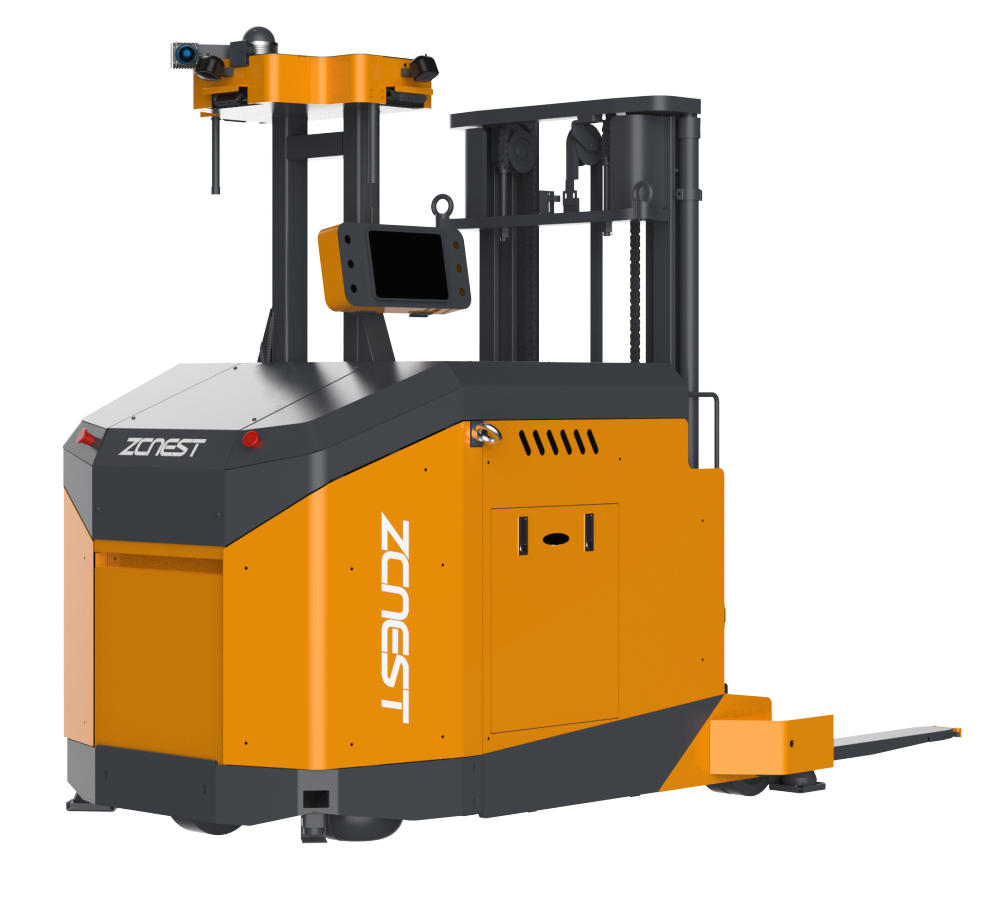
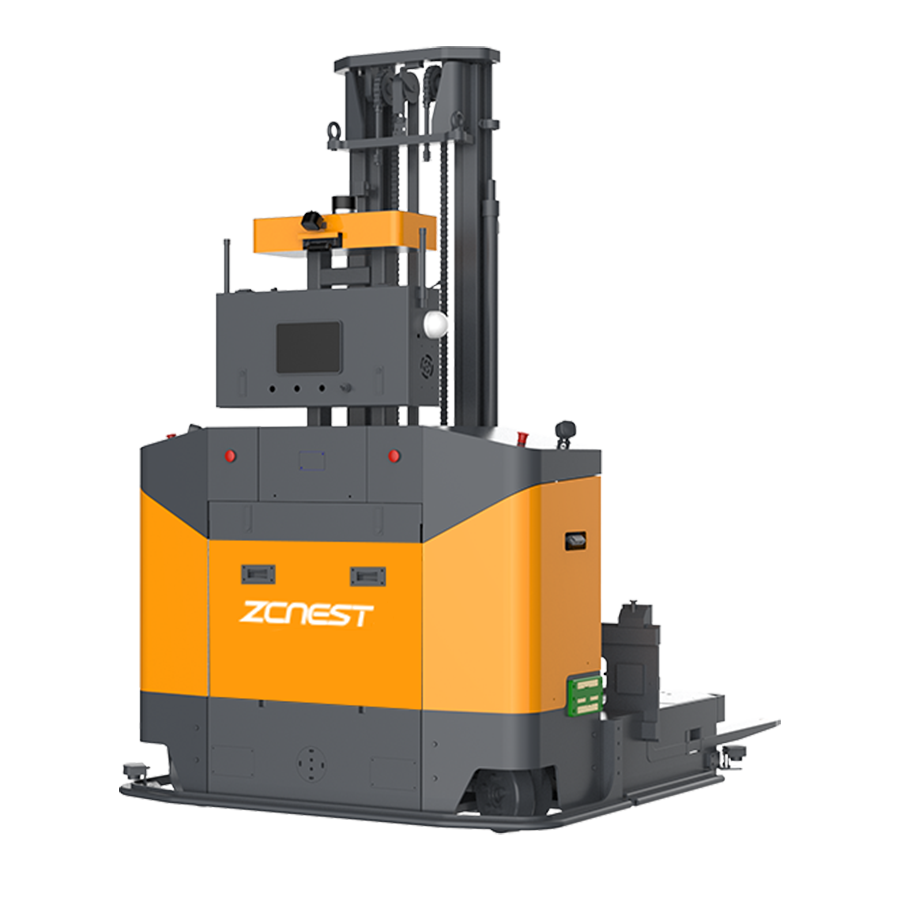
Reach AGVs are designed for warehouses that prioritize storage density and vertical space utilization.
Typical applications include:
High-bay warehouses
Narrow aisle storage
High-density pallet racking
Warehouse storage and retrieval operations
Facilities with frequent rack access
By extending the forks toward the rack, reach AGVs can improve storage efficiency while reducing required aisle space.
Floor quality plays an important role in AGV performance regardless of vehicle type.
Before selecting an AGV, companies should evaluate:
Floor flatness
Expansion joints
Surface damage
Ramp conditions
Warehouse cleanliness
Warehouses with high storage racks generally benefit from maintaining tighter floor tolerances to support accurate pallet positioning.
Turning performance directly affects warehouse layout planning and traffic efficiency.
When comparing AGV models, buyers should review:
Minimum turning radius
Required aisle width
Navigation path flexibility
Dock maneuverability
Rack approach capability
The ideal solution depends on the warehouse's operational priorities rather than a single performance specification.
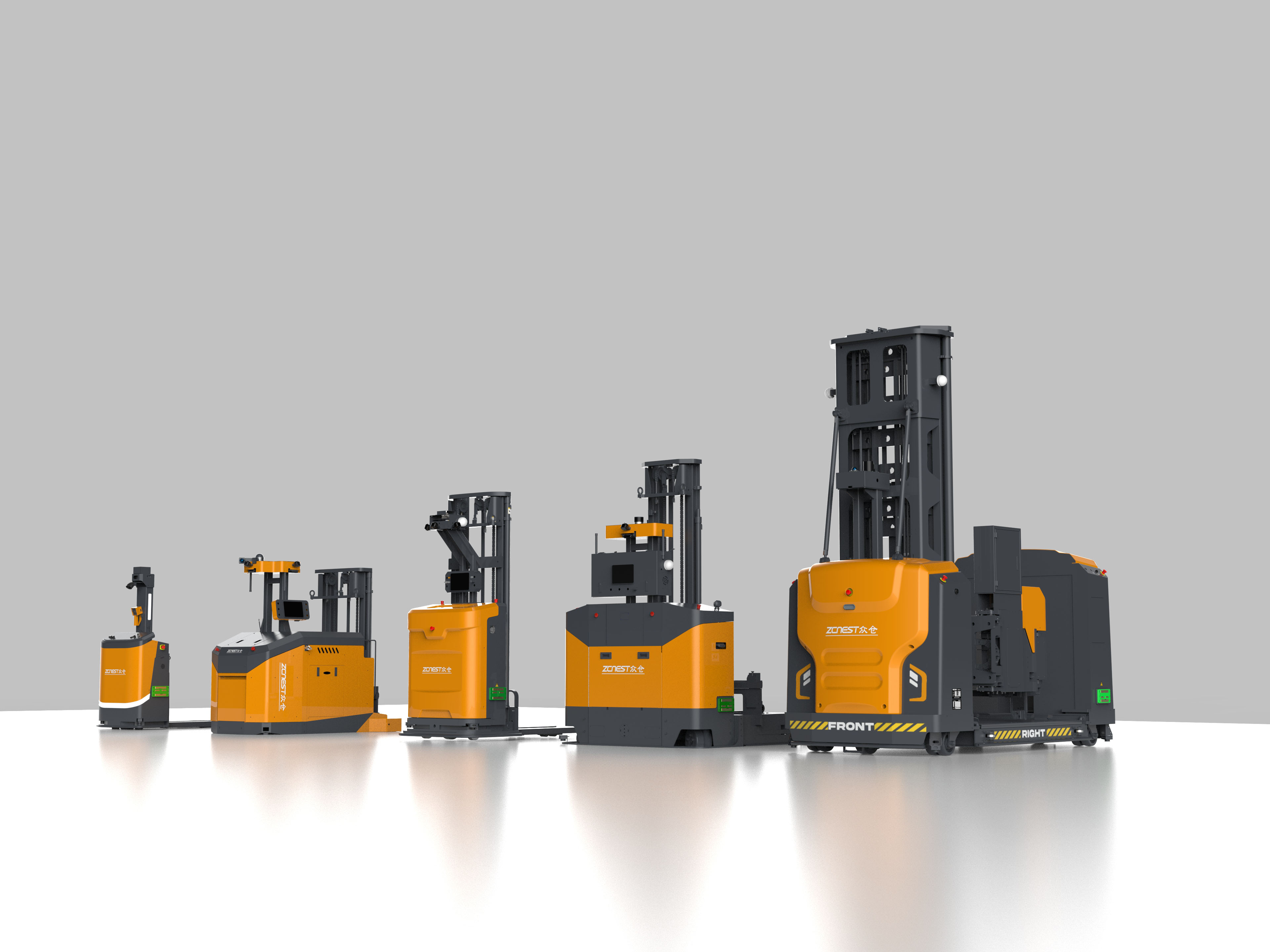
Many automated warehouses operate mixed AGV fleets to optimize different logistics tasks.
For example:
Counterbalanced AGVs for truck unloading
Reach AGVs for warehouse storage
Pallet stackers for internal transport
Other specialized AGVs for dedicated processes
A unified fleet management platform can coordinate different vehicle types within the same warehouse operation.
| Comparison Item | Counterbalanced AGV | Reach AGV |
|---|---|---|
| Primary Application | Truck loading, receiving, transport | Rack storage and retrieval |
| Warehouse Type | General logistics | High-density warehouses |
| Typical Advantage | Dock operations and flexible handling | Higher storage density |
| Best Use Case | Inbound and outbound logistics | Warehouse storage automation |
Which AGV model best matches my warehouse layout?
Can the vehicle handle my pallet dimensions and load weights?
What aisle width is required for each model?
Can the AGV operate on my existing warehouse floor?
How does the model support future warehouse expansion?
Can multiple AGV types be managed on one fleet platform?
Can you recommend a solution based on my warehouse drawings?
Choosing between a counterbalanced AGV and a reach AGV is not simply a matter of comparing specifications. The best solution depends on warehouse workflows, storage density, loading operations and long-term automation goals.
Before importing AGVs from China, companies should evaluate their warehouse environment, operational requirements and future expansion plans to select the most appropriate autonomous forklift configuration.
FREE ENGINEERING SUPPORT Stop Gambling on Generic Platforms. Get an AGV/AMR Tailored to Your Warehouse.Buying automated guided vehicles involves complex safety standards (CE/ANSI), navigation setups (Laser SLAM), and ERP system integration. Don't risk your factory safety with middle-men. ✓ 100% Direct Factory: Customized payload up to 5 Tons. ✓ Free CAD Simulation: Send us your layout, and our engineers will simulate the optimal AGV routes. ✓ Global Support: Overseas installation guidance & local maintenance partners. |





 Chinese
 English