


Workplace safety is one of the most important considerations when companies evaluate warehouse automation. Forklift-related accidents, operator fatigue and material handling risks continue to create challenges for modern logistics operations.
By replacing or reducing manual forklift operations with autonomous AGV forklifts, companies can improve process consistency, reduce human error and create a safer working environment.
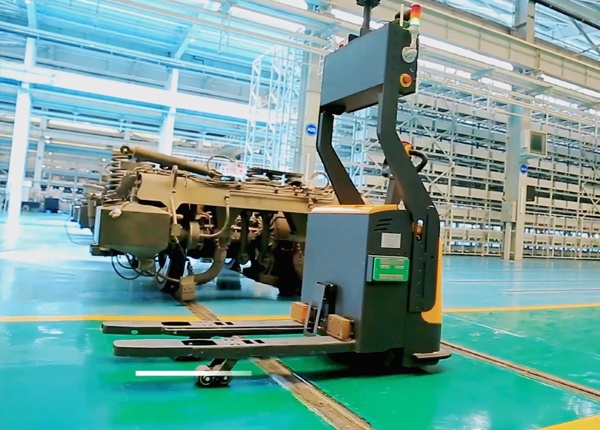
Traditional forklift operations depend heavily on human driving behavior, which can introduce safety risks during daily warehouse activities.
Common forklift safety challenges include:
Speeding in warehouse aisles
Limited operator visibility
Worker and vehicle interaction
Operator fatigue
Incorrect pallet handling
Human decision-making errors
Automation helps create more predictable and controlled material movement processes.
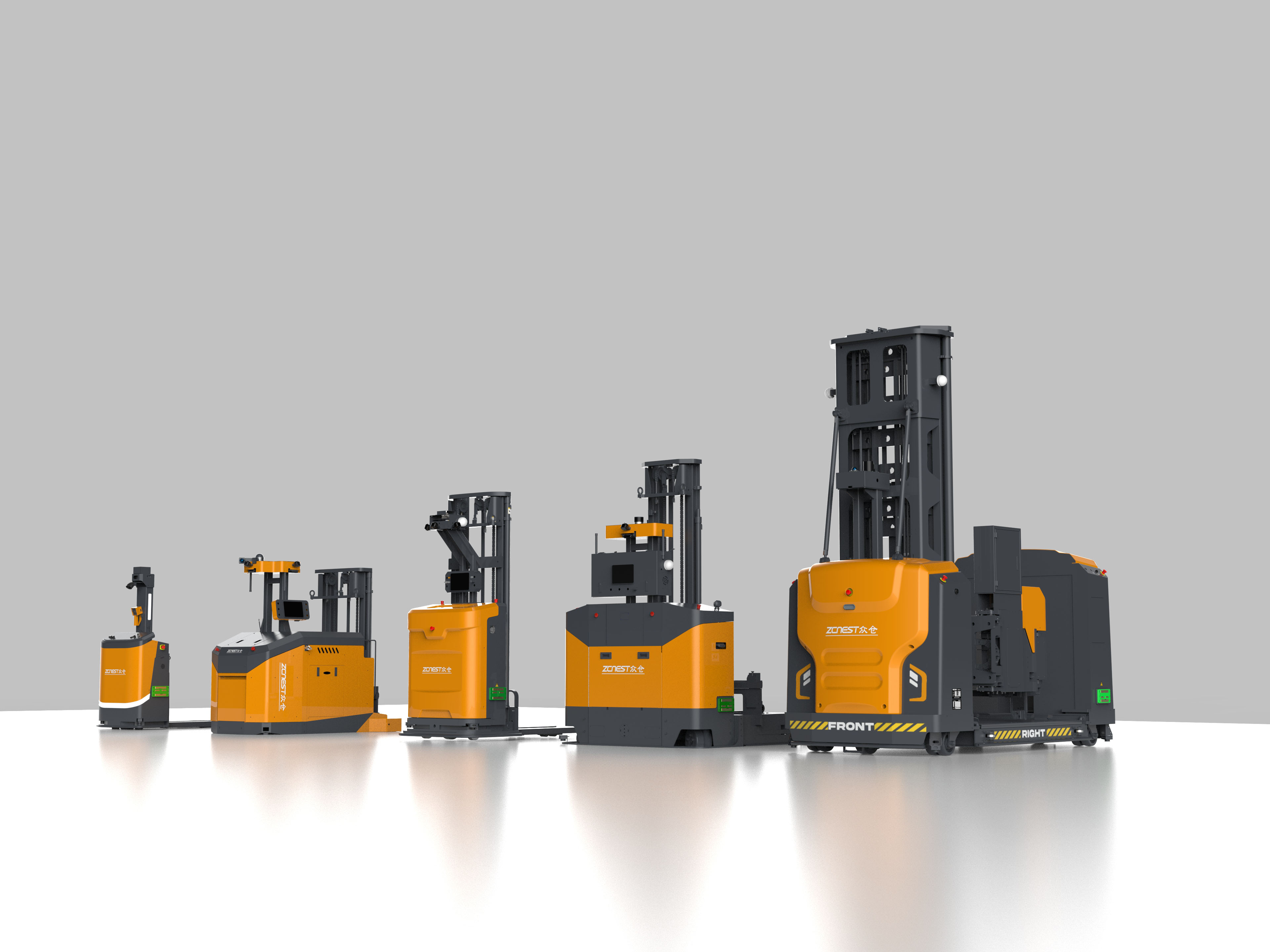
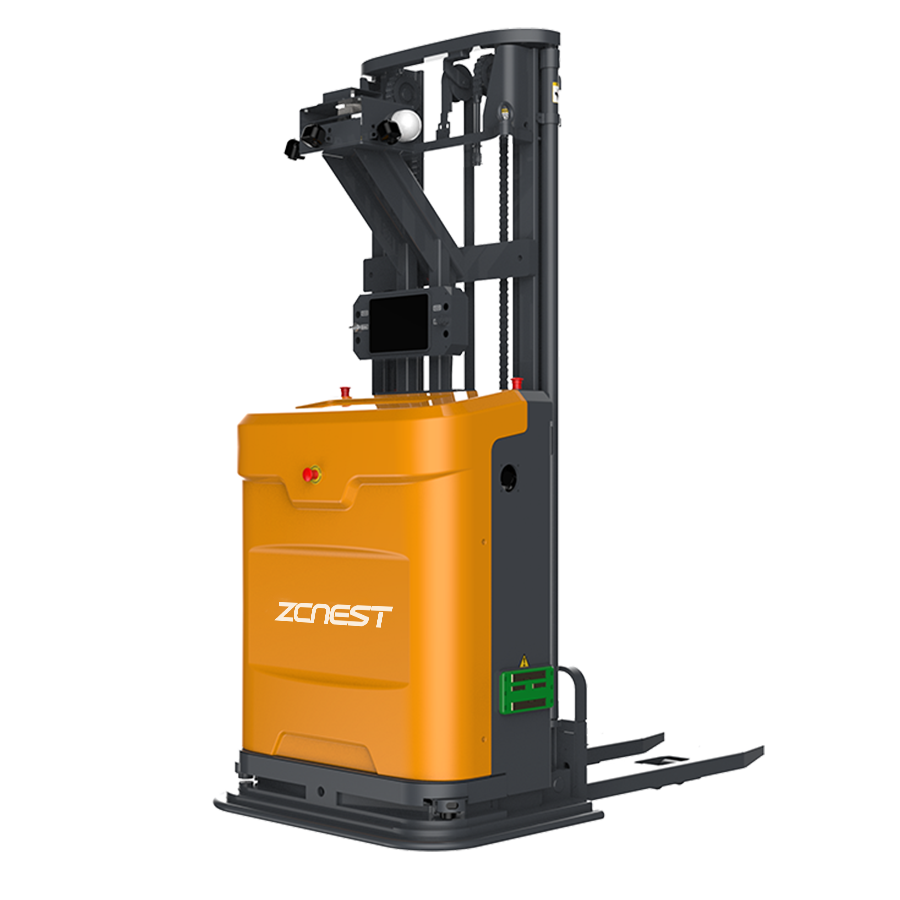
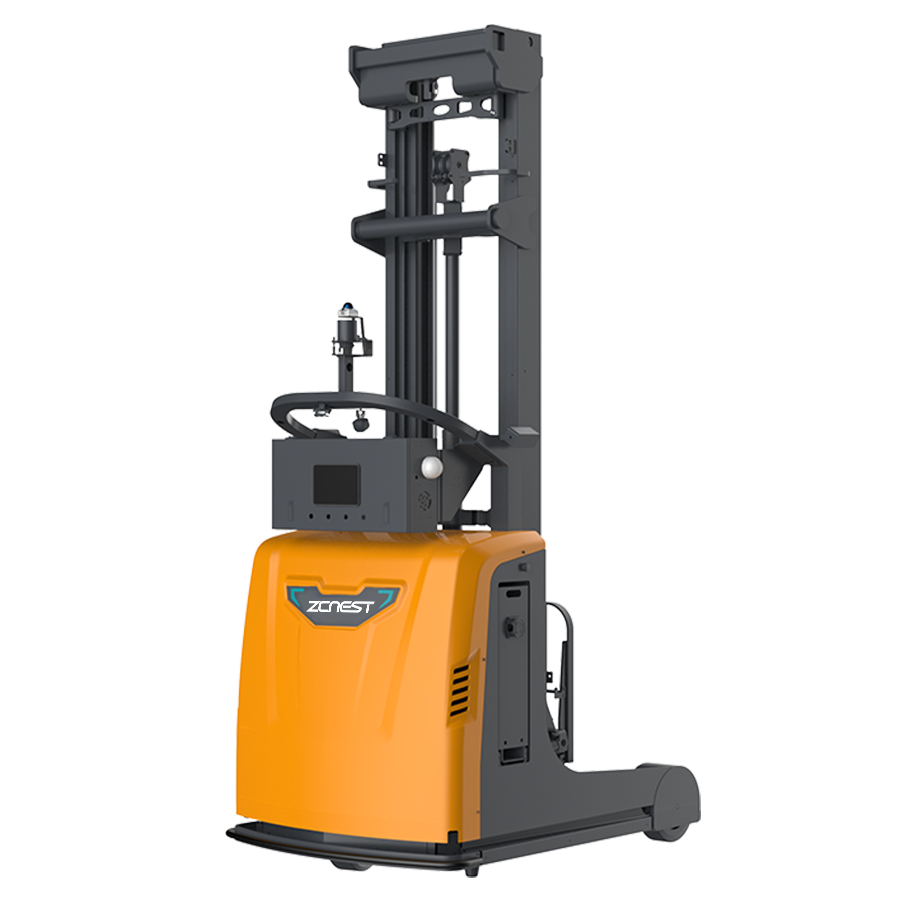
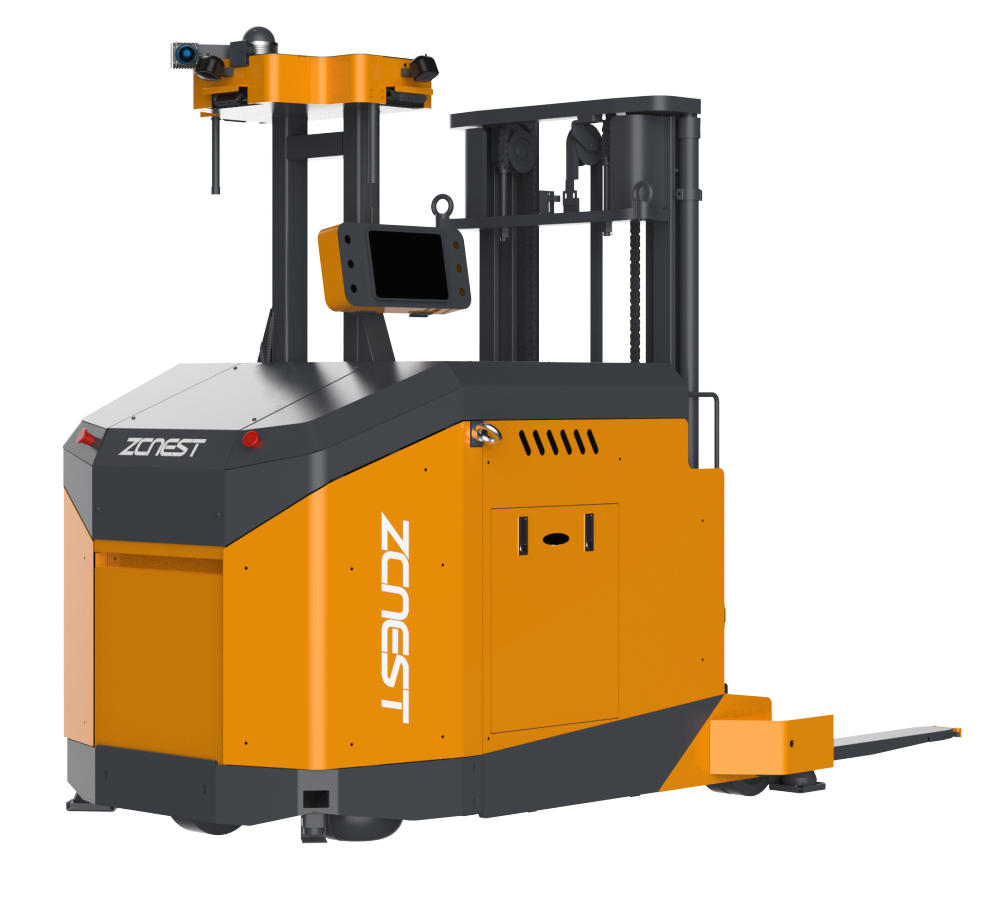
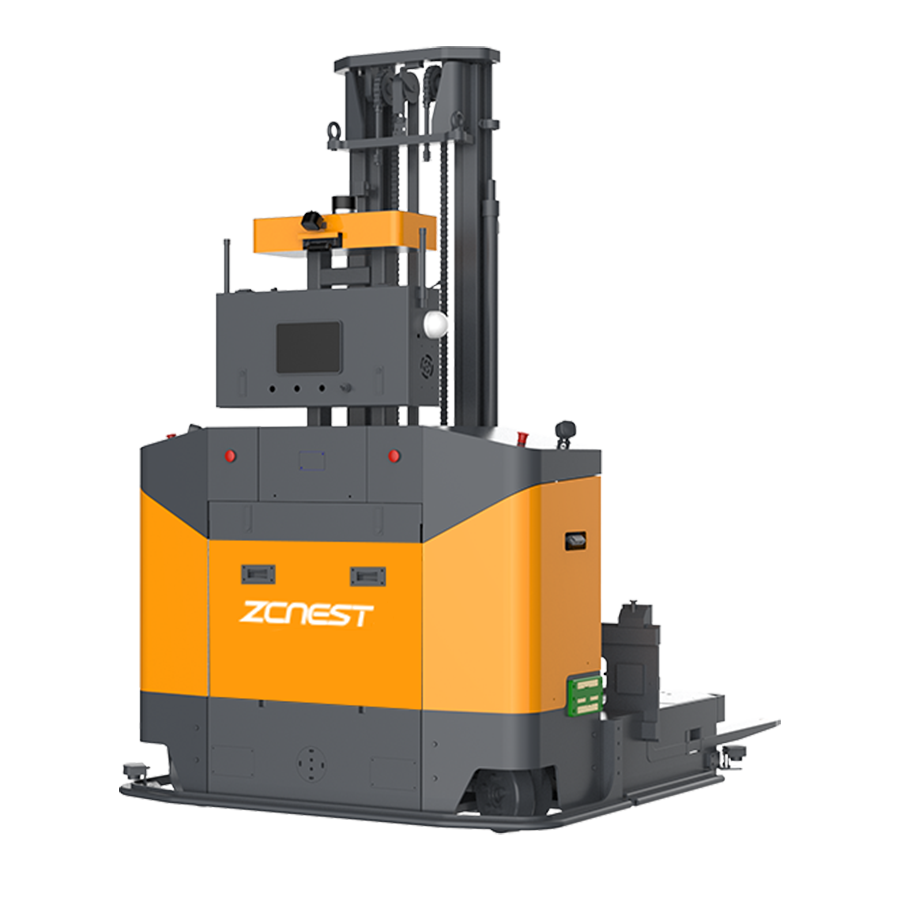
Modern AGV forklifts combine multiple safety technologies to reduce collision risks and improve operational control.
Typical safety technologies include:
Safety LiDAR scanners
3D vision sensors
Obstacle detection systems
Automatic speed adjustment
Emergency stop functions
Defined safety zones
These technologies allow autonomous forklifts to continuously monitor their environment and respond to changing warehouse conditions.
In the United States, forklift safety is closely related to operator behavior, training and workplace procedures.
Autonomous forklifts can help reduce risks associated with:
Unauthorized driving behavior
Excessive speed
Operator distraction
Fatigue-related mistakes
Inconsistent operating procedures
However, companies should still evaluate AGV deployment according to their own workplace safety requirements and local regulations.
Automation does not simply replace manual tasks. It can also remove employees from repetitive or higher-risk working conditions.
Benefits may include:
Reduced exposure to moving forklifts
Less repetitive physical handling
Lower risk of lifting-related injuries
Reduced fatigue during long shifts
Safer material transportation processes
Employees can focus on higher-value activities such as inventory management, quality control and warehouse supervision.
Digital records are becoming increasingly important for modern warehouse safety management.
AGV fleet management systems may provide operational information such as:
Vehicle movement history
Emergency stop events
Collision avoidance events
System alarms
Near-miss records
Maintenance history
These records can help companies analyze safety performance and support internal audits.
Insurance costs depend on many factors, including accident history, facility risk level, industry type and insurance provider policies.
AGV adoption may support risk reduction by improving:
Operational consistency
Accident prevention processes
Safety monitoring capability
Employee protection measures
Companies should discuss potential insurance impacts directly with their insurance providers.
A well-designed AGV system can support safety programs through technology, procedures and documentation.
Important compliance considerations include:
Safety sensor configuration
Risk assessment before deployment
Operator training
Maintenance procedures
Emergency response planning
Safety documentation
Which international safety standards does the AGV follow?
How does the vehicle detect workers and obstacles?
What happens during sensor failure or communication loss?
Can the system record safety events?
Does the supplier provide safety documentation?
How are emergency stop functions tested?
Can the system support safety audits?
| Safety Area | Evaluation Focus |
|---|---|
| Collision Prevention | How does the AGV detect and avoid obstacles? |
| Compliance | Can the system support workplace safety requirements? |
| Safety Data | Are operational and safety records available? |
| Employee Protection | Does automation reduce worker exposure to risks? |
AGV forklifts can help companies create safer warehouse environments by reducing human driving risks, improving process consistency and providing better operational visibility.
Before importing AGV systems from China, companies should evaluate safety technology, compliance requirements, data tracking capabilities and deployment procedures to ensure the automation project supports long-term workplace safety goals.
FREE ENGINEERING SUPPORT Stop Gambling on Generic Platforms. Get an AGV/AMR Tailored to Your Warehouse.Buying automated guided vehicles involves complex safety standards (CE/ANSI), navigation setups (Laser SLAM), and ERP system integration. Don't risk your factory safety with middle-men. ✓ 100% Direct Factory: Customized payload up to 5 Tons. ✓ Free CAD Simulation: Send us your layout, and our engineers will simulate the optimal AGV routes. ✓ Global Support: Overseas installation guidance & local maintenance partners. |





 Chinese
 English